How Physiotherapy Helps Women with Hormonal Issues in their 30s and 40s explores targeted strategies for recovery. Discover new paths to mobility, healing, and personalized care.

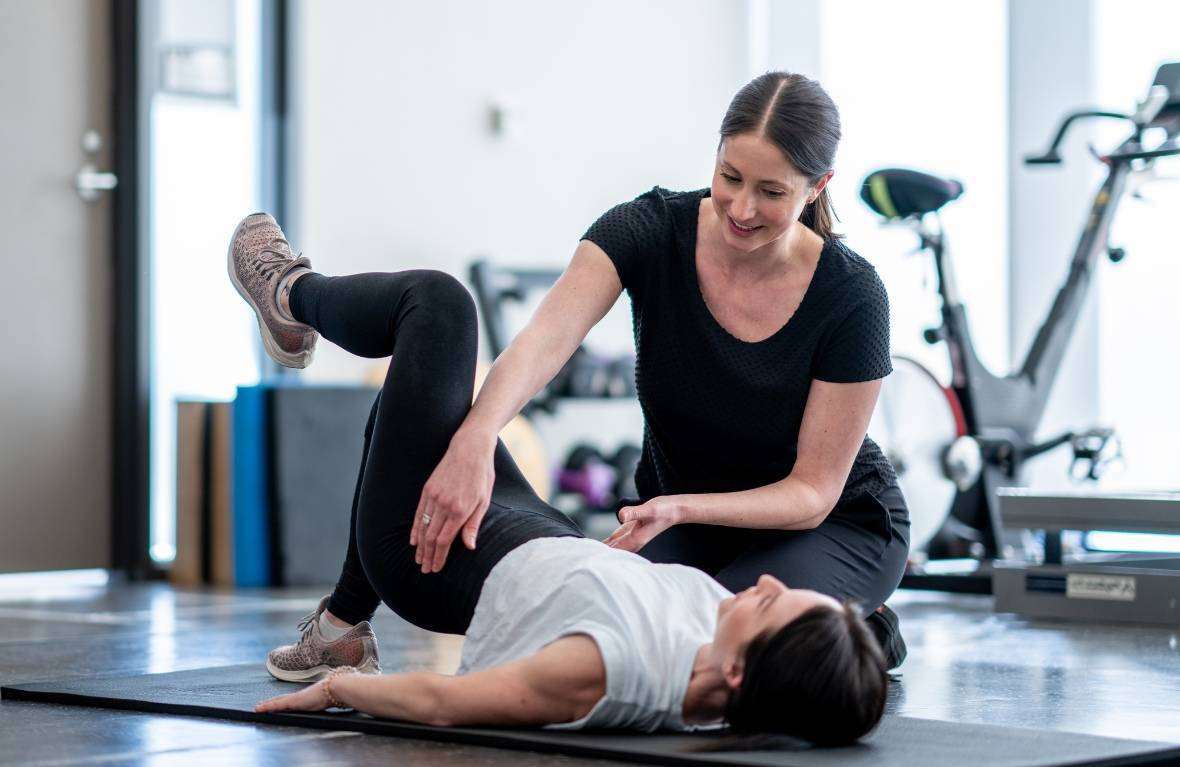
Your 30s and 40s can be a dynamic time for a womans body. Between juggling career, family, and personal goals, hormonal fluctuations often bring new challenges like irregular periods, weight gain, fatigue, mood swings, and the early signs of perimenopause. These changes can impact your daily life, but the good news is that physiotherapy offers practical, effective support to help you manage hormonal issues and maintain optimal health during this phase.
At YourFormsUX in Canada, we understand the unique needs women face in their 30s and 40s, and we specialize in physiotherapy solutions that target hormonal health holistically. Lets explore how physiotherapy can be a game-changer in navigating these hormonal shifts.
The Hormonal Landscape in Your 30s and 40s
In this decade, estrogen and progesterone levels may begin to fluctuate irregularly, especially as you approach perimenopausethe transitional period before menopause. These shifts often bring symptoms like:
Irregular or heavy periods
Hot flashes and night sweats
Sleep disturbances
Pelvic floor dysfunction
Weight management challenges
Mood swings, anxiety, and depression
Many women also experience musculoskeletal complaints linked to hormonal changes, such as joint pain and muscle stiffness.
How Physiotherapy Addresses These Challenges
1. Managing Pelvic Floor Health
Pregnancy, childbirth, and aging can weaken the pelvic floor muscles, contributing to urinary incontinence, pelvic pain, and sexual dysfunction. Physiotherapy focuses on assessing and strengthening the pelvic floor to restore function, reduce pain, and improve quality of life.
2. Relieving Musculoskeletal Pain
Hormonal fluctuations affect joint lubrication and ligament elasticity, often causing aches and stiffness. Physiotherapists use manual therapy, soft tissue mobilization, and corrective exercises to relieve pain, improve mobility, and prevent injury.
3. Improving Posture and Alignment
Stress, pregnancy, and hormonal changes can negatively impact posture, leading to back, neck, and shoulder pain. Physiotherapy addresses postural imbalances through tailored exercise and ergonomic advice to reduce discomfort and enhance body mechanics.
4. Supporting Mental Health and Stress Reduction
Hormonal imbalances often come with mood disturbances. Physiotherapy incorporates relaxation techniques, breathing exercises, and gentle movement to reduce stress and promote emotional well-being.
5. Promoting Healthy Weight Management
Exercise programs designed by physiotherapists help improve metabolism, boost energy levels, and support healthy weight managementkey factors influenced by hormones during this stage.
Why Early Intervention Matters
Addressing hormonal and physical changes proactively in your 30s and 40s can reduce the severity of symptoms later on, especially as menopause approaches. Physiotherapy not only relieves current discomfort but also prepares your body for smoother transitions ahead.
What to Expect at YourFormsUX
Our expert physiotherapists at YourFormsUX take the time to understand your unique hormonal health challenges and tailor treatments specifically for you. From pelvic floor rehabilitation to customized fitness plans and stress management strategies, were here to support your journey through these critical decades.
Final Thoughts
Your 30s and 40s are a vital time to prioritize your health and embrace changes with confidence. Physiotherapy offers a natural, comprehensive way to manage hormonal issues and enhance your overall well-being.
If youre experiencing hormonal challenges in your 30s or 40s, consider partnering with YourFormsUX. Together, we can build a plan that keeps you strong, balanced, and thriving through every stage.