How Physiotherapy Helps You Rebalance After Hormonal Shifts explores targeted strategies for recovery. Discover new paths to mobility, healing, and personalized care.

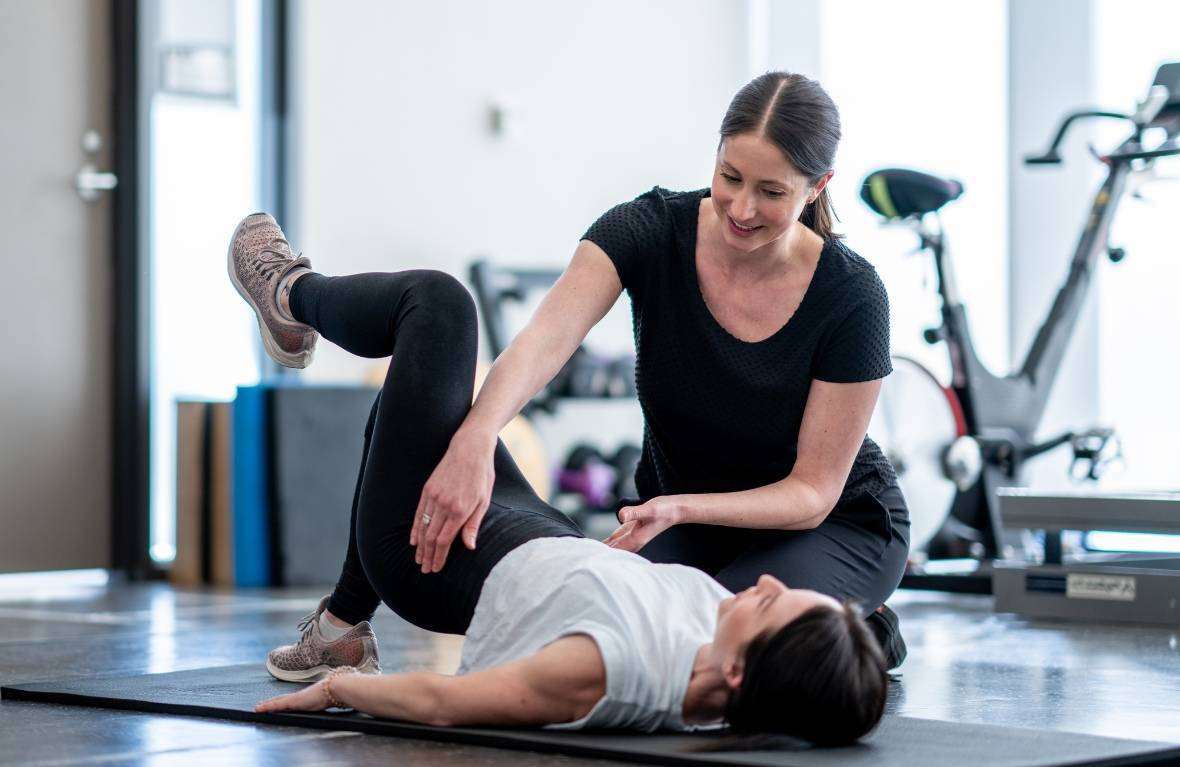
Hormonal shifts are a natural part of life, occurring during phases like puberty, pregnancy, postpartum, menopause, or due to stress and medical conditions. These changes can affect everything from your mood and energy levels to your muscle strength and joint stability. Physiotherapy plays a key role in helping your body rebalance during and after these hormonal transitions, promoting better health and vitality.
What Happens to Your Body During Hormonal Shifts?
Hormones such as estrogen, progesterone, testosterone, and cortisol influence how your body functions. When these hormones fluctuate, you might notice:
Changes in muscle strength and flexibility
Increased joint laxity or stiffness
Altered metabolism and energy availability
Mood swings and fatigue
Increased risk of injury due to weakened connective tissues
For instance, during pregnancy, relaxin hormone softens ligaments to prepare for childbirth, which can make joints unstable. Similarly, menopause lowers estrogen levels, affecting bone density and muscle mass.
How Physiotherapy Supports Your Body Through Hormonal Changes
Physiotherapy is uniquely positioned to guide you through these shifts by addressing physical imbalances and promoting functional recovery.
1. Personalized Assessment and Monitoring:
A physiotherapist evaluates your current physical condition, identifies areas weakened or stressed by hormonal changes, and monitors progress to ensure steady improvement.
2. Strength and Stability Training:
Targeted exercises help rebuild muscle strength and improve joint stability, essential for supporting your body through hormonal fluctuations. For example, pelvic floor and core strengthening are critical postpartum and during menopause.
3. Pain Management:
Hormonal shifts often lead to aches or pains, especially in joints and muscles. Physiotherapy uses manual therapy, soft tissue massage, and modalities like ultrasound or TENS to reduce pain and inflammation.
4. Improving Mobility and Flexibility:
Hormonal changes can cause stiffness. Physiotherapy includes stretching routines and mobilizations to maintain or restore range of motion.
5. Enhancing Balance and Coordination:
Some hormonal shifts affect your nervous system, impacting balance. Physiotherapists incorporate balance training to reduce fall risk, especially in older adults.
The Emotional and Lifestyle Connection
Physiotherapy also acknowledges that hormonal shifts affect mental health and lifestyle. Therapists provide support and education on:
Stress management techniques to lower cortisol levels
Sleep improvement strategies
Nutritional advice for muscle and bone health
Safe physical activity guidelines
Who Benefits Most from Physiotherapy After Hormonal Shifts?
Women during pregnancy and postpartum
Individuals going through menopause or perimenopause
People recovering from hormone-related surgeries or treatments
Anyone experiencing hormonal imbalances due to medical conditions
Why Trust YFS for Hormonal Rebalancing Physiotherapy?
At YourFormsUX (YFS) in Canada, we specialize in creating customized physiotherapy plans that recognize the unique challenges hormonal changes bring. Our compassionate and knowledgeable team is committed to helping you regain strength, reduce discomfort, and restore balance in your body and life.