How Physiotherapy Helps You Recover After an Intense Dance Rehearsal explores targeted strategies for recovery. Discover new paths to mobility, healing, and personalized care.

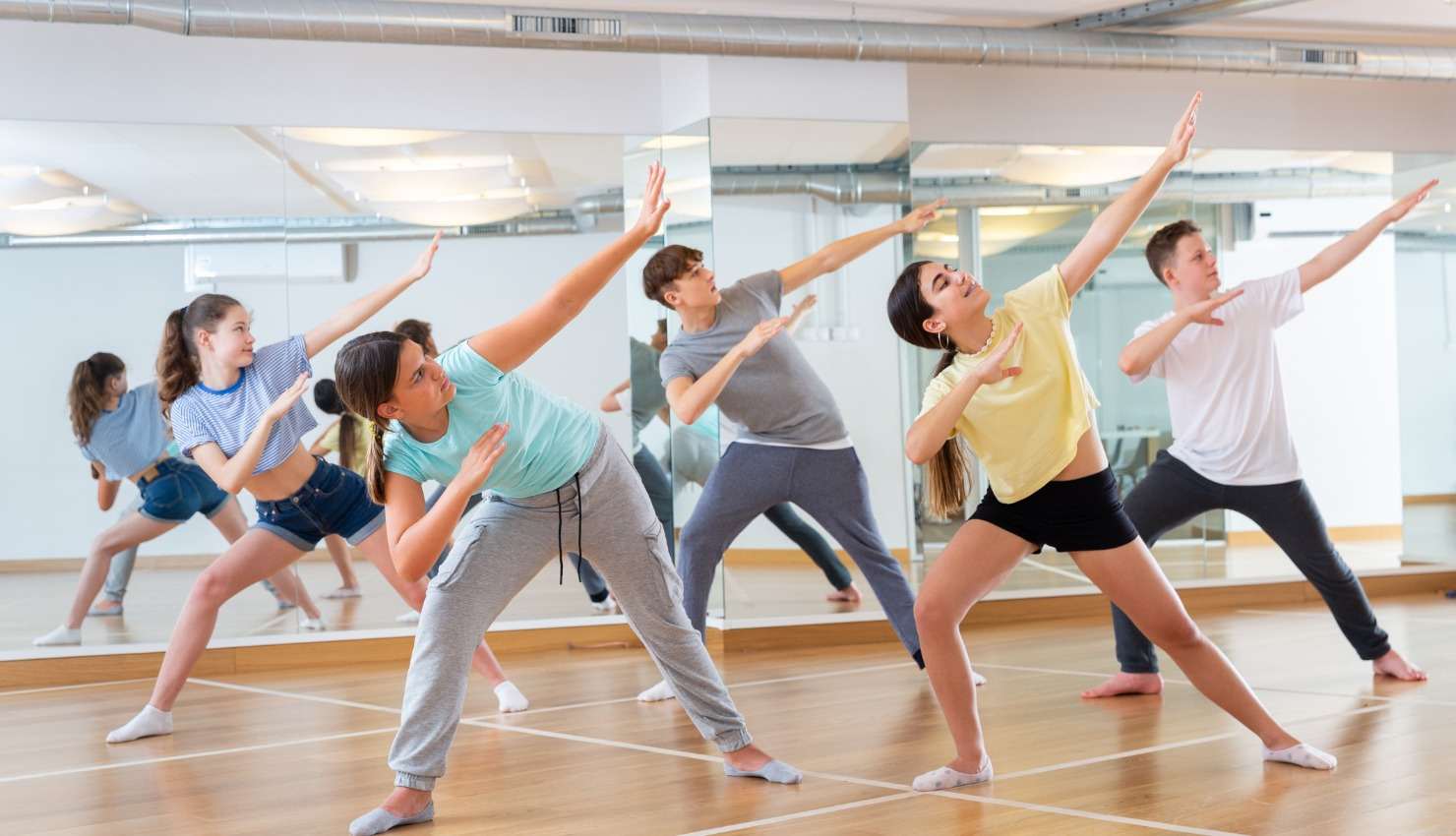
Dance rehearsals, particularly those leading up to a performance, can be physically demanding and take a serious toll on a dancers body. Whether youve been perfecting a complex routine or refining your technique for hours on end, the intensity of each rehearsal can lead to muscle fatigue, soreness, and even the risk of injury. This is where physiotherapy comes in providing not just recovery from injuries, but also strategies for managing the physical strain caused by dance.
In this blog, we will explore how physiotherapy helps dancers recover after intense dance rehearsals and why it should be an essential part of every dancer’s routine.
The Toll of Intense Dance Rehearsals on the Body
Dance rehearsals are physically demanding, and with extended hours of practice, dancers can face muscle fatigue, joint stress, and tightness. In particular, movements that require high-impact jumps, complex footwork, and precise, repeated motions tend to overload certain muscle groups and joints, leading to the accumulation of stress and strain. This can result in tight muscles, reduced flexibility, and even the onset of injuries if not managed properly.
After an intense rehearsal, dancers often experience soreness and muscle stiffness. However, without proper recovery strategies, these issues can compound over time, leading to chronic pain or long-term injury. This is why physiotherapy is so important: it helps manage the strain placed on the body and facilitates faster recovery so that dancers are ready for their next session or performance.
How Physiotherapy Aids in Muscle Recovery
Muscle recovery is the foundation of post-rehearsal physiotherapy. Intense rehearsals often result in micro-tears in muscle fibers, which are a normal part of the muscle-building process. However, if the recovery process isnt properly managed, this can lead to muscle imbalances, stiffness, and soreness that restrict movement.
Physiotherapy promotes muscle recovery in several ways:
Manual Therapy: Physiotherapists use manual therapy techniques such as massage and soft tissue mobilization to help reduce muscle tension and increase blood flow. By manipulating muscles and soft tissues, they can break down scar tissue, alleviate tightness, and improve flexibility.
Myofascial Release: This technique focuses on the fascia (the connective tissue around muscles) and helps release built-up tension. Myofascial release is particularly beneficial after strenuous rehearsals, as it helps improve muscle elasticity and restore range of motion.
Trigger Point Therapy: After a rehearsal, tight spots or trigger points in the muscles can lead to discomfort and restricted movement. Trigger point therapy targets these specific areas to release tension and reduce pain, enabling muscles to relax and recover more efficiently.
Reducing Inflammation and Swelling
Intense dancing can lead to inflammation in the muscles and joints. This is often accompanied by swelling, stiffness, and discomfort. Left untreated, this inflammation can affect flexibility and mobility and lead to more serious conditions, such as tendinitis or bursitis.
Physiotherapists employ various techniques to help reduce inflammation after rehearsals:
Ice Therapy: Applying ice is one of the most effective ways to reduce swelling and inflammation. Physiotherapists may recommend ice packs or cryotherapy to manage these symptoms.
Compression and Elevation: In some cases, compression bands or elevating the affected body part can help improve circulation and reduce swelling. Physiotherapists may use these methods in conjunction with other treatments for a more effective recovery.
Electrical Stimulation: Some physiotherapists use modalities such as electrical stimulation to promote muscle relaxation and reduce swelling by encouraging circulation and the removal of metabolic waste products from the affected area.
Restoring Flexibility and Range of Motion
After a long rehearsal, muscles may feel tight and restricted, limiting the range of motion necessary for fluid, expressive dance movements. Flexibility is a key component of a dancers performance, and maintaining it after rehearsals is crucial for long-term health and success.
Physiotherapy helps restore flexibility through:
Stretching: Targeted stretching exercises are essential to lengthen tight muscles and restore flexibility. Dancers can also benefit from passive stretching, where the physiotherapist gently stretches the muscles to improve range of motion.
Proprioceptive Neuromuscular Facilitation (PNF): PNF stretching is a technique that combines passive stretching and isometric contractions. It is highly effective for increasing flexibility and improving joint mobility, which is vital after a rigorous rehearsal.
Active Release Techniques (ART): ART is a specific type of therapy that combines muscle manipulation with stretching. This technique is ideal for releasing tight muscles and restoring normal movement patterns, especially after repetitive motions in dance.
Improving Muscle Strength for Injury Prevention
Although muscle recovery is essential after a rehearsal, physiotherapy also focuses on building strength to help prevent future injuries. Dancers often perform highly demanding movements that can strain muscles and joints, especially in areas like the feet, ankles, knees, hips, and lower back.
Physiotherapists create strengthening exercises that help target the key muscle groups used in dance, such as the core, lower body, and stabilizing muscles. Strengthening these areas ensures that dancers maintain balance and stability during their performances, reducing the risk of injuries caused by poor alignment or muscle imbalances.
Additionally, strengthening exercises also help dancers recover faster after each rehearsal, as they can better handle the physical demands placed on them. For example, exercises such as squats, lunges, and core stabilization exercises can improve overall body strength and enhance coordination.
Post-Rehearsal Recovery Techniques and Education
Dancers often push their bodies to their limits, but recovery doesn’t just take place in the physiotherapy clinic. Physiotherapists offer valuable advice on how to recover effectively at home. This includes teaching dancers proper stretching techniques, how to manage soreness, and when to incorporate rest into their training schedule.
Physiotherapists can also recommend self-care techniques such as foam rolling or the use of compression garments, which help with recovery between sessions. Ensuring proper hydration, nutrition, and rest is also vital for muscle repair, and physiotherapists emphasize the importance of these habits in a dancers overall recovery strategy.
Conclusion
Intense dance rehearsals can take a significant toll on a dancers body, but with the right recovery strategies, you can help your body heal and recover faster. Physiotherapy provides a comprehensive approach to post-rehearsal recovery by alleviating muscle tension, reducing inflammation, improving flexibility, and building strength to prevent future injuries. Incorporating physiotherapy into your routine not only helps you recover after each rehearsal but also ensures that your body is prepared to handle the physical demands of dancing in the long term.
Whether you are preparing for an upcoming performance or just finishing an intense rehearsal, physiotherapy can help you recover efficiently, stay injury-free, and continue dancing at your highest potential.