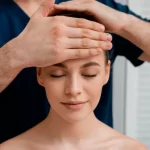
How Physiotherapy Improves Blood Circulation in Aging Adults explores targeted strategies for recovery. Discover new paths to mobility, healing, and personalized care.


As we age, the efficiency of our cardiovascular system tends to decline. Reduced blood circulation can lead to various health issues, such as slower wound healing, increased fatigue, cold extremities, and higher risks of cardiovascular diseases. For aging adults, maintaining good blood circulation is vital to supporting overall health, mobility, and independence.
Physiotherapy offers effective, non-invasive ways to improve blood flow and promote cardiovascular health in seniors. This blog will explore the causes and consequences of poor circulation in aging adults, how physiotherapy helps enhance circulation, and practical strategies to boost vascular health.
Understanding Blood Circulation Decline in Aging Adults
The circulatory system is responsible for delivering oxygen and nutrients to tissues and removing waste products. With age, several physiological changes affect circulation:
Arterial Stiffening: Blood vessels lose elasticity, making it harder for the heart to pump blood efficiently.
Decreased Cardiac Output: The hearts ability to pump blood declines.
Reduced Capillary Density: Fewer tiny blood vessels reduce tissue perfusion.
Venous Insufficiency: Vein valves weaken, leading to blood pooling, especially in the legs.
Sedentary Lifestyle: Reduced physical activity slows circulation and contributes to vascular problems.
These factors can cause symptoms like cold feet and hands, swelling, numbness, cramps, and delayed healing common complaints among older adults.
The Role of Physiotherapy in Enhancing Circulation
Physiotherapy helps improve circulation by promoting cardiovascular fitness, muscular pumping action, and vascular health through targeted interventions:
Exercise Therapy
Regular physical activity is the most effective way to enhance blood flow. Physiotherapists develop customized aerobic and resistance exercise programs that safely increase heart rate and muscle contraction, boosting circulation.
Manual Therapy
Techniques like massage and soft tissue mobilization stimulate blood vessels, encourage lymphatic drainage, reduce swelling, and improve local circulation.
Compression Therapy
For seniors with venous insufficiency or swelling, physiotherapists may recommend or fit compression stockings that help maintain blood flow and prevent pooling.
Positioning and Movement Education
Physiotherapists educate seniors on positions and movements that encourage venous return, such as elevating legs and avoiding prolonged sitting or standing.
Neuromuscular Electrical Stimulation (NMES)
In some cases, NMES devices stimulate muscle contractions to improve circulation, especially in individuals with limited mobility.
Specific Physiotherapy Exercises to Boost Circulation
Walking and Low-Impact Aerobics: These activities increase heart rate and promote overall cardiovascular health.
Ankle Pumps and Circles: Simple foot exercises activate calf muscles, aiding venous return.
Leg Elevation Exercises: Help reduce swelling and improve blood flow in lower limbs.
Strength Training: Builds muscle mass that assists vascular pumping.
Breathing Exercises: Deep diaphragmatic breathing enhances oxygen intake and stimulates circulation.
Benefits of Improved Circulation Through Physiotherapy
Enhanced Oxygen and Nutrient Delivery: Supports tissue health and accelerates healing.
Reduced Swelling and Pain: Especially in lower extremities.
Increased Energy and Reduced Fatigue: Better circulation means improved organ function.
Lower Risk of Cardiovascular Events: Exercise supports heart health.
Improved Mobility and Balance: Stronger muscles and better blood flow reduce fall risk.
Better Temperature Regulation: Warm hands and feet improve comfort.
Practical Tips for Seniors to Support Circulation Daily
Stay active throughout the day with regular movement breaks.
Avoid crossing legs for extended periods.
Drink plenty of water to support blood volume.
Wear loose, comfortable clothing to avoid restricting blood flow.
Practice foot and leg exercises, especially when sitting for long periods.
Maintain a balanced diet rich in antioxidants and healthy fats.
Conclusion
Good blood circulation is foundational to healthy aging. Physiotherapy provides aging adults with effective tools and tailored programs to improve vascular health, manage symptoms of poor circulation, and support overall well-being. By engaging in guided exercise, manual therapies, and lifestyle education, seniors can boost their circulation, enhance mobility, and enjoy a better quality of life.
If you or a loved one experiences symptoms of poor circulation, consulting a physiotherapist can be an important step toward healthier aging.