Good circulation is essential for maintaining healthy tissues, promoting healing, and reducing pain. Poor circulation can exacerbate pain, particularly in musculoskeletal conditions, injuries, or chronic conditions like arthritis and fibromyalgia.

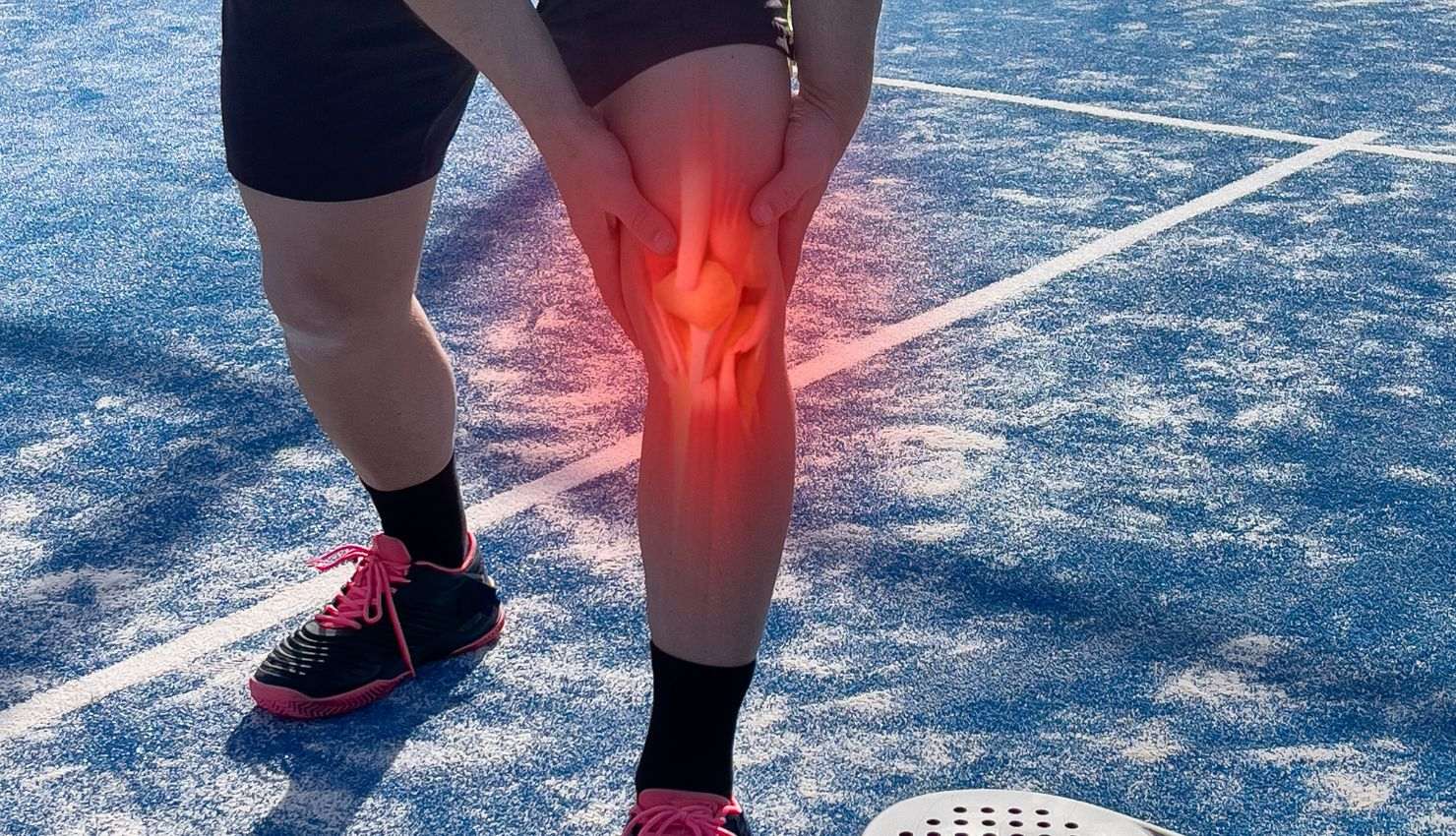
Good circulation is essential for maintaining healthy tissues, promoting healing, and reducing pain. Poor circulation can exacerbate pain, particularly in musculoskeletal conditions, injuries, or chronic conditions like arthritis and fibromyalgia. Physiotherapy plays a crucial role in improving circulation, which in turn helps alleviate pain and promote recovery. By enhancing blood flow to muscles, joints, and other tissues, physiotherapists help reduce inflammation, enhance tissue repair, and provide long-term relief.
Heres how physiotherapy improves circulation and helps alleviate pain:
### **1. Manual Therapy for Improved Blood Flow**
Manual therapy involves hands-on techniques used by physiotherapists to manipulate muscles, joints, and soft tissues. These techniques help improve circulation by increasing blood flow to the affected area, which is essential for tissue healing and pain relief.
#### **How Manual Therapy Improves Circulation:**
* **Massage**: Physiotherapists use different forms of massage to stimulate blood flow to the muscles and tissues. This helps improve oxygen and nutrient delivery to the area while flushing out waste products, such as lactic acid, that can contribute to muscle soreness and pain.
* **Myofascial Release**: This technique targets tight fascia (the connective tissue surrounding muscles) to reduce restrictions and improve circulation. By releasing tight areas in the soft tissues, myofascial release encourages better blood flow and helps alleviate pain caused by muscle tension.
* **Joint Mobilization**: Physiotherapists use gentle movements to improve joint mobility, which helps increase the circulation to surrounding tissues. Mobilizing stiff joints enhances the flow of blood and reduces pain caused by joint restrictions.
These manual therapy techniques help break up muscle tension, increase blood circulation, and speed up recovery from injuries or pain.
—
### **2. Exercise Therapy to Enhance Circulation**
Exercise is one of the most effective ways to improve circulation. Physiotherapists develop personalized exercise programs that target specific areas of the body, enhance blood flow, and alleviate pain. When you engage in physical activity, the heart pumps more blood to the muscles and tissues, which improves circulation and oxygen delivery.
#### **How Exercise Improves Circulation:**
* **Aerobic Exercise**: Activities like walking, cycling, or swimming improve cardiovascular health, increase blood flow, and promote circulation throughout the body. Physiotherapists incorporate low-impact aerobic exercises into rehabilitation plans to reduce pain and improve mobility.
* **Strength Training**: Strengthening exercises help improve circulation by enhancing the function of the heart and blood vessels. As the muscles contract during exercise, they stimulate blood flow to the tissues and promote healing.
* **Stretching**: Regular stretching increases flexibility and improves circulation to muscles and joints. Stretching also reduces muscle tightness, which can help alleviate pain caused by restricted blood flow.
By encouraging regular physical activity, physiotherapy helps promote healthy circulation and reduce pain over time.
—
### **3. Heat and Cold Therapy for Circulation**
Heat and cold therapy are common techniques used in physiotherapy to regulate blood flow and alleviate pain. Both methods have specific roles in improving circulation and promoting tissue healing.
#### **How Heat Therapy Improves Circulation:**
* **Increased Blood Flow**: Applying heat to the body helps dilate blood vessels, increasing circulation and the delivery of oxygen and nutrients to the affected tissues. Heat is particularly useful for relaxing tight muscles and reducing muscle spasms.
* **Pain Relief**: Heat helps soothe discomfort by improving tissue flexibility and reducing stiffness, which is essential in treating conditions like arthritis, muscle strains, or fibromyalgia.
* **Relaxation**: Heat therapy promotes relaxation, which helps reduce the stress and tension that can exacerbate pain.
#### **How Cold Therapy Improves Circulation:**
* **Decreases Inflammation**: Cold therapy helps reduce inflammation by constricting blood vessels, which decreases blood flow to the injured area. After the initial use of cold therapy, once inflammation is reduced, heat can be applied to improve circulation and further promote healing.
* **Numbing Effect**: Cold therapy helps numb the area, providing immediate pain relief. This allows individuals to participate in rehabilitation exercises or activities that might otherwise exacerbate pain.
By alternating heat and cold therapy, physiotherapists can help regulate circulation and reduce pain in the affected area.
—
### **4. Improving Lymphatic Flow**
The lymphatic system plays a key role in maintaining healthy tissue and removing waste products from the body. Poor lymphatic flow can contribute to swelling and pain. Physiotherapists use techniques to stimulate the lymphatic system, which enhances circulation and promotes healing.
#### **How Lymphatic Massage Improves Circulation:**
* **Lymphatic Drainage**: Manual lymphatic drainage (MLD) is a specialized massage technique that helps encourage the flow of lymph, a fluid that carries waste products and immune cells throughout the body. By improving lymphatic circulation, physiotherapists help reduce swelling and pain caused by fluid retention.
* **Reducing Edema**: Lymphatic drainage reduces edema (swelling), which is often caused by poor circulation or injury. By promoting lymphatic circulation, the body can remove excess fluid and reduce the pressure on tissues, alleviating pain and discomfort.
Improving lymphatic flow helps promote healing, reduce inflammation, and prevent pain from becoming chronic.
—
### **5. Postural and Movement Training**
Improper posture or movement patterns can restrict circulation and contribute to pain. Physiotherapists assess posture and movement habits to identify areas of dysfunction that may affect circulation. By correcting these habits, physiotherapy helps improve blood flow and reduce pain.
#### **How Posture and Movement Impact Circulation:**
* **Postural Correction**: Poor posture can impede blood flow and put additional strain on muscles, joints, and blood vessels. Physiotherapists teach patients how to maintain good posture to improve circulation and reduce the risk of developing pain in areas like the neck, back, and shoulders.
* **Movement Training**: Physiotherapists guide patients through movement exercises that ensure proper alignment and joint function, which improves circulation and helps alleviate pain. This is especially important for people who sit for long periods, as prolonged sitting can reduce blood flow and contribute to musculoskeletal pain.
By teaching proper posture and movement, physiotherapists ensure that the body functions efficiently, allowing for better circulation and pain relief.
—
### **6. Reducing Muscle Tension and Spasms**
Muscle tightness and spasms can impede blood flow and contribute to pain. Physiotherapy focuses on releasing muscle tension, which enhances circulation and reduces discomfort. Tension often arises from stress, injury, or overuse of muscles, and physiotherapists use a variety of techniques to alleviate this.
#### **How Physiotherapy Relieves Muscle Tension:**
* **Trigger Point Therapy**: Physiotherapists use techniques like myofascial release or deep tissue massage to target areas of muscle tightness, known as trigger points. This helps release the tension and improve blood flow to the affected area, reducing pain and improving circulation.
* **Stretching**: Regular stretching helps lengthen tight muscles, improving flexibility and reducing tension. When muscles are less tight, blood can flow more freely to the tissues, helping alleviate pain and promoting healing.
* **Strengthening Exercises**: Strengthening weak muscles also prevents overuse of other muscle groups, which can lead to tension and spasms. Balanced strength allows for better circulation and less strain on the body.
By reducing muscle tension, physiotherapy improves the efficiency of blood flow and helps manage pain.
—
### **7. Facilitating Faster Healing**
Improved circulation accelerates the healing process by providing tissues with the necessary oxygen and nutrients for repair. Physiotherapy promotes better circulation, which reduces the recovery time for injuries and helps individuals recover faster from conditions that cause pain.
#### **How Better Circulation Aids Healing:**
* **Increased Oxygen Delivery**: Oxygen is crucial for tissue repair and healing. Physiotherapy techniques like exercise, massage, and heat therapy increase blood flow, allowing more oxygen to reach damaged tissues.
* **Reduced Swelling**: Physiotherapy helps reduce swelling caused by poor circulation, which is often associated with injuries, sprains, or surgery. Reducing swelling improves blood flow and accelerates the healing process.
* **Enhanced Tissue Repair**: Better circulation means that damaged tissues receive the nutrients they need to repair faster, resulting in reduced pain and quicker recovery times.
Physiotherapys ability to improve circulation helps speed up recovery, reduce pain, and prevent long-term complications.
—
### **Conclusion**
Improving circulation is a crucial aspect of pain management, especially in musculoskeletal conditions, injuries, and chronic pain. Physiotherapy offers a range of techniques, including manual therapy, exercise, heat/cold therapy, and postural training, to enhance circulation and alleviate pain. By promoting better blood flow, physiotherapy helps reduce inflammation, speed up healing, and restore function, ultimately improving the overall quality of life. If youre experiencing pain related to poor circulation, consulting with a physiotherapist can provide effective, non-invasive solutions to help manage and alleviate your discomfort.