How Physiotherapy Improves Exercise Performance Based on Your Menstrual Cycle explores targeted strategies for recovery. Discover new paths to mobility, healing, and personalized care.

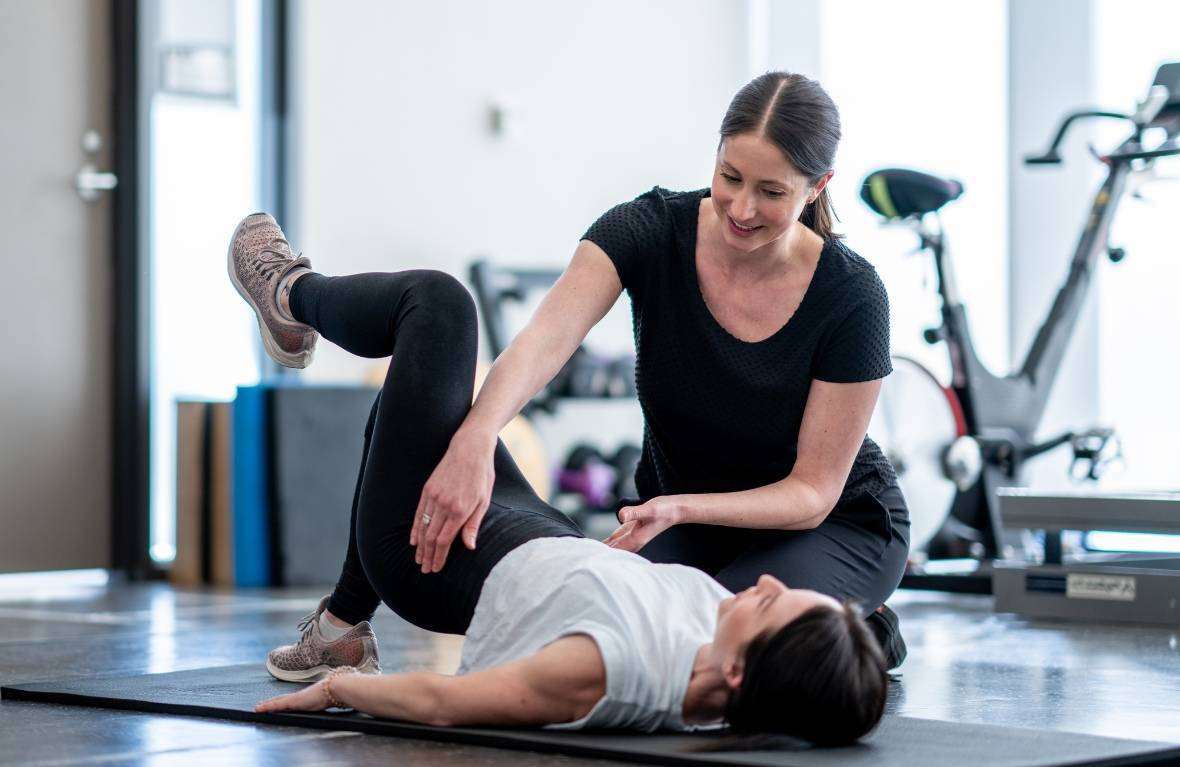
Understanding your bodys rhythms is the key to unlocking better exercise performanceand your menstrual cycle holds a wealth of information about when to push hard and when to rest. Physiotherapy offers a personalized approach to training that respects these hormonal fluctuations, helping you get stronger, recover faster, and avoid injury.
In this blog, well dive deep into how physiotherapy improves exercise performance by syncing your workouts with your menstrual cycle. At YourFormsUX.com, were passionate about empowering you with smart, hormone-informed strategies to optimize your fitness and well-being.
The Menstrual Cycle and Exercise: A Complex Dance
Your menstrual cycle isnt just about periods; its a dynamic hormonal cycle with four distinct phasesmenstrual, follicular, ovulatory, and lutealeach bringing different hormonal levels and effects on your muscles, joints, and energy.
Menstrual Phase (Days 1-5): Estrogen and progesterone are low, often causing fatigue or discomfort.
Follicular Phase (Days 6-14): Estrogen rises, boosting energy, mood, and muscle recovery.
Ovulatory Phase (Around Day 14): Estrogen peaks, strength and endurance may hit their highest.
Luteal Phase (Days 15-28): Progesterone dominates, potentially causing lower energy and joint sensitivity.
These fluctuations affect how your body responds to exercise, from strength gains and endurance to injury risk and recovery speed.
How Physiotherapy Tailors Exercise to Your Cycle
Physiotherapists who understand the menstrual cycle can help you design an exercise plan that aligns with your hormonal status. Heres how physiotherapy enhances your performance across the cycle:
1. Maximizing Strength and Endurance During High-Energy Phases
During the follicular and ovulatory phases, rising estrogen improves muscle strength, joint stability, and energy levels. Physiotherapists leverage this window by recommending more intense strength training and cardio workouts, pushing your limits safely.
2. Preventing Injuries During Vulnerable Phases
The luteal phase can make ligaments and tendons more lax, increasing injury riskespecially in the knees and ankles. Physiotherapy focuses on preventive exercises that strengthen stabilizing muscles and improve proprioception to keep you safe.
3. Managing Menstrual Discomfort and Fatigue
In the menstrual phase, many experience cramps, low energy, or mood dips. Physiotherapy incorporates gentle mobility exercises, stretching, and pain relief techniques to support movement without overexertion, aiding recovery and mental well-being.
4. Enhancing Recovery With Targeted Therapies
Physiotherapy techniques like massage, myofascial release, and electrotherapy help speed up muscle recovery, reduce inflammation, and relieve soreness. Tailoring these treatments according to your cycle helps you bounce back faster and maintain consistent training.
Benefits of Cycle-Synced Physiotherapy for Exercise
Optimized training outcomes: Aligning workouts with hormonal peaks maximizes strength, endurance, and muscle growth.
Reduced injury risk: Targeted interventions during vulnerable phases protect joints and connective tissues.
Improved motivation and mood: Physiotherapy supports mental wellness, which boosts adherence to exercise routines.
Personalized care: A physiotherapist considers your cycle, symptoms, and fitness goals for tailored plans.
Real-World Impact: What Clients Experience
Women who follow cycle-based physiotherapy plans report feeling more in tune with their bodies, experiencing fewer injuries, and reaching fitness goals more efficiently. The mental boost from understanding and working with your hormones also helps reduce exercise burnout.
Incorporating Physiotherapy Into Your Fitness Routine
To get started:
Track your menstrual cycle to identify your phases and symptoms.
Consult a physiotherapist knowledgeable about hormonal health and cycle syncing.
Develop a customized plan that adjusts exercise intensity, type, and recovery techniques based on your cycle.
Use physiotherapy sessions to address any discomfort or injuries promptly.
Why Choose YourFormsUX.com for Physiotherapy and Hormonal Fitness
At YourFormsUX.com, our physiotherapists combine expertise in womens health with personalized, evidence-based approaches to hormone-informed exercise. Were committed to helping you unlock your full performance potential safely and sustainably.
Final Thoughts
Your menstrual cycle is an incredible guide to optimizing exercise performancebut only if you listen to it. Physiotherapy helps you harness this natural rhythm, enhancing strength, endurance, recovery, and injury prevention.
If you want to train smarter, not harder, and sync your workouts with your bodys hormonal cycles, physiotherapy is your secret weapon. Reach out to YourFormsUX.com today to learn how our customized programs can transform your fitness journey based on your menstrual cycle.