How Physiotherapy Improves Joint Flexibility and Prevents Stiffness explores targeted strategies for recovery. Discover new paths to mobility, healing, and personalized care.

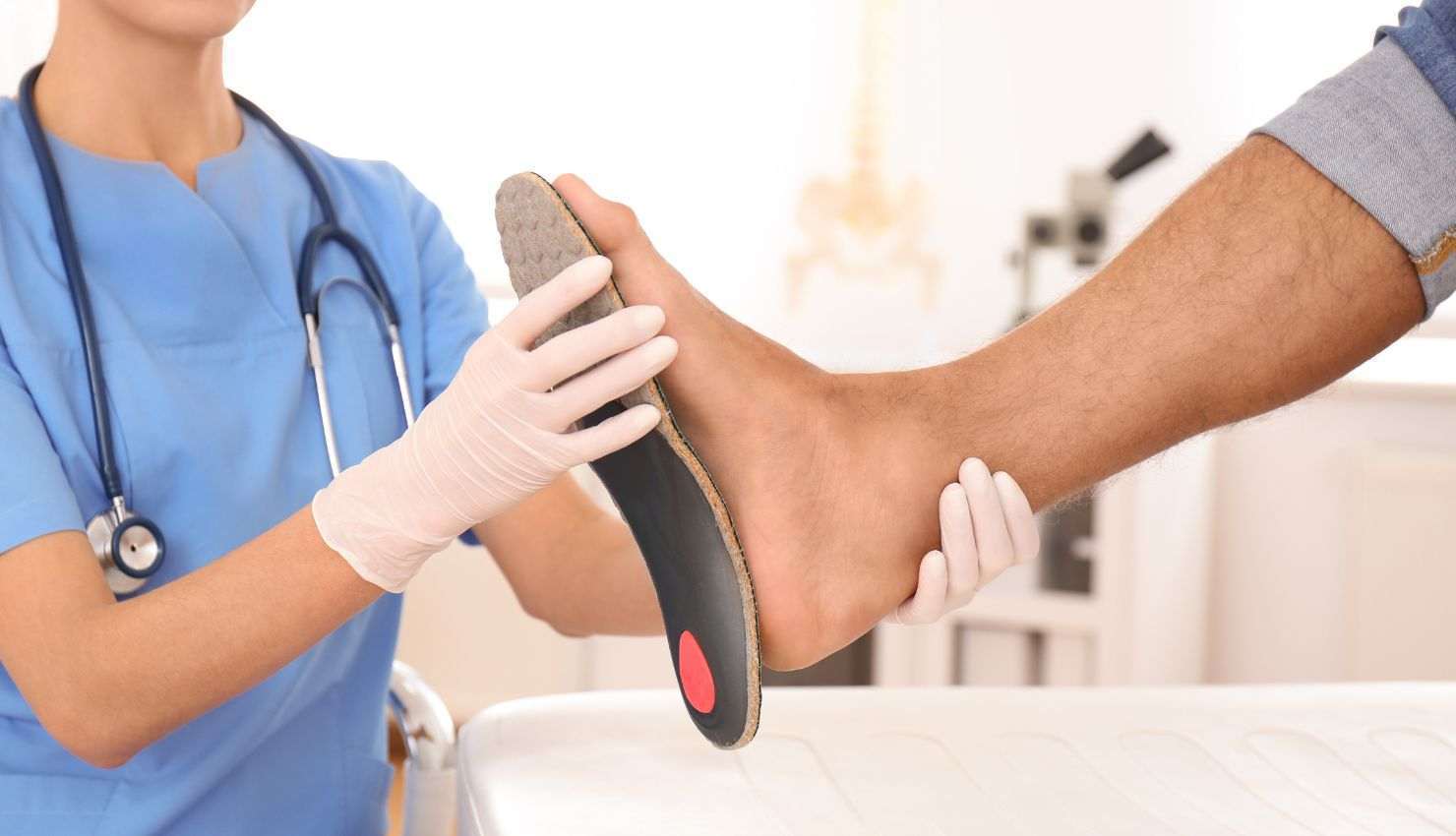
Joint flexibility plays a critical role in how well your body moves, performs, and feels. Whether you’re reaching for a shelf, bending down to tie your shoes, or going for a walk, the ability of your joints to move smoothly and pain-free is essential for daily comfort and function. But when flexibility is compromised, stiffness sets inleading to discomfort, reduced range of motion, and even long-term joint issues.
One of the most effective ways to improve flexibility and prevent stiffness is through physiotherapy. A well-structured physiotherapy program can restore optimal joint movement, prevent limitations, and support overall mobility throughout your life.
This blog explores the science behind joint flexibility, the causes of stiffness, and how physiotherapy can help you regain and maintain the freedom to move well.
Understanding Joint Flexibility
Joint flexibility refers to the ability of a joint to move freely through its entire range of motion without restriction or pain. This capacity is influenced by several factors, including:
The health of the joint capsule and cartilage
Muscle length and elasticity
Tendon flexibility
Neural control
Hydration and blood flow
When these components function optimally, you enjoy smooth, pain-free motion. However, if any of these areas are compromisedthrough injury, inactivity, or age-related changesflexibility declines and stiffness takes hold.
Common Causes of Joint Stiffness
Stiffness in the joints may stem from several causes:
Lack of movement or sedentary lifestyle: Inactivity reduces joint lubrication and causes connective tissues to tighten.
Injury: Sprains, fractures, or surgery can lead to immobilization, scarring, and tight muscles.
Inflammation: Conditions like arthritis or bursitis cause joint swelling and restrict range of motion.
Muscle imbalances: Overuse of certain muscles and underuse of others can pull joints out of alignment.
Age-related degeneration: With age, joints tend to lose flexibility due to decreased elasticity in soft tissues.
These changes make everyday movements harder and often painful, increasing the risk of further limitations or falls.
How Physiotherapy Helps Improve Joint Flexibility
Physiotherapy provides a tailored, safe, and evidence-based approach to improving flexibility and preventing or reversing stiffness. Heres how:
1. Manual Therapy and Joint Mobilization
Physiotherapists use hands-on techniques to gently manipulate joints and surrounding soft tissue. These mobilizations:
Increase joint capsule elasticity
Improve synovial fluid distribution for lubrication
Break down adhesions and scar tissue
Encourage pain-free range of motion
This is especially effective after surgery, injury, or long periods of immobility.
2. Stretching and Range of Motion Exercises
Stretching helps lengthen tight muscles and tendons that may restrict joint movement. Your physiotherapist will guide you through both:
Static stretches (holding a position to lengthen the muscle)
Dynamic stretches (controlled movements through a full range)
These are designed based on your specific restrictions and daily needs, ensuring safe and effective gains in flexibility.
3. Strengthening Opposing Muscle Groups
Muscle tightness is often a result of weakness in the opposing group. For example, tight hamstrings might be due to weak quadriceps or glutes.
Physiotherapy addresses this by:
Building strength around the joint
Correcting muscle imbalances
Improving neuromuscular control
Balanced strength creates stable joints that move more freely.
4. Postural and Movement Re-Education
Poor posture and incorrect movement patterns can reinforce stiffness over time. Physiotherapists teach you how to:
Sit, stand, and move efficiently
Avoid compensatory movements
Protect your joints from future strain
This is essential for long-term flexibility and reducing recurring stiffness.
5. Use of Modalities to Reduce Pain and Promote Relaxation
Physiotherapists may use supportive techniques such as:
Heat therapy to loosen muscles
Ultrasound to promote deep tissue healing
TENS (electrical stimulation) to reduce pain
These modalities make stretching and movement easier by preparing the body for physical activity.
6. Mobility Drills and Functional Exercises
Functional mobility drills improve joint range of motion in ways that mimic real-life movement. This includes:
Hip openers for squatting and sitting
Shoulder mobility drills for reaching and lifting
Spine mobilizations for rotation and bending
These exercises are safe and progressive, helping you move confidently and pain-free.
Specific Joint Areas and Physiotherapy Approaches
Shoulders
Focus: Regain overhead range, scapular stability, and reduce impingement.
Exercises: Wall slides, pendulum swings, and resistance band stretches.
Hips
Focus: Improve flexion/extension and internal rotation.
Exercises: Hip flexor stretches, bridges, and leg swings.
Knees
Focus: Regain full extension and flexion post-injury or surgery.
Exercises: Quad sets, knee hangs, and heel slides.
Spine
Focus: Thoracic rotation and lumbar extension for posture and mobility.
Exercises: Cat-cow stretches, spinal twists, and foam rolling.
Ankles
Focus: Dorsiflexion for better balance and gait.
Exercises: Calf stretches, ankle circles, and banded mobility work.
The Long-Term Benefits of Improved Joint Flexibility
When you improve your joint flexibility through physiotherapy, you gain more than just motionyou enhance your quality of life. Benefits include:
Reduced stiffness and pain
Improved posture and alignment
Enhanced athletic performance
Decreased injury risk
Easier movement in daily life
Long-term joint health and resilience
Consistent flexibility training also helps in managing chronic conditions like arthritis, fibromyalgia, and low back pain.
Daily Tips to Maintain Joint Flexibility
Move Every Hour Avoid sitting for too long without a stretch break.
Warm Up Before Activity Prepare joints and muscles for movement.
Stay Hydrated Tissues stay more pliable when well-hydrated.
Do Gentle Stretching Daily Even 10 minutes a day makes a difference.
Follow a Maintenance Plan Your physiotherapist can help you build one.
Listen to Your Body Dont push into sharp painprogress takes time.
Final Thoughts: Move Freely, Live Fully
Stiff joints dont have to be your new normal. With the right guidance, commitment, and physiotherapy support, you can regain flexibility, prevent further joint limitations, and live a life thats active, mobile, and pain-free.
Physiotherapy isnt just about recoveryits a proactive tool to protect your joint health for the long run. Whether you’re managing a condition, recovering from injury, or simply want to move better, flexibility training through physiotherapy is one of the smartest investments you can make in your body.
Start where you are, stretch what you can, and keep your joints movingbecause freedom of motion is freedom of life.