Chronic pain affects millions of people around the world and can significantly impact daily activities, emotional well-being, and overall quality of life. Whether caused by conditions like arthritis, back pain, sports injuries, or fibromyalgia, pain can lead to decreased mobility, difficulty performing everyday tasks, and feelings of frustration and helplessness.

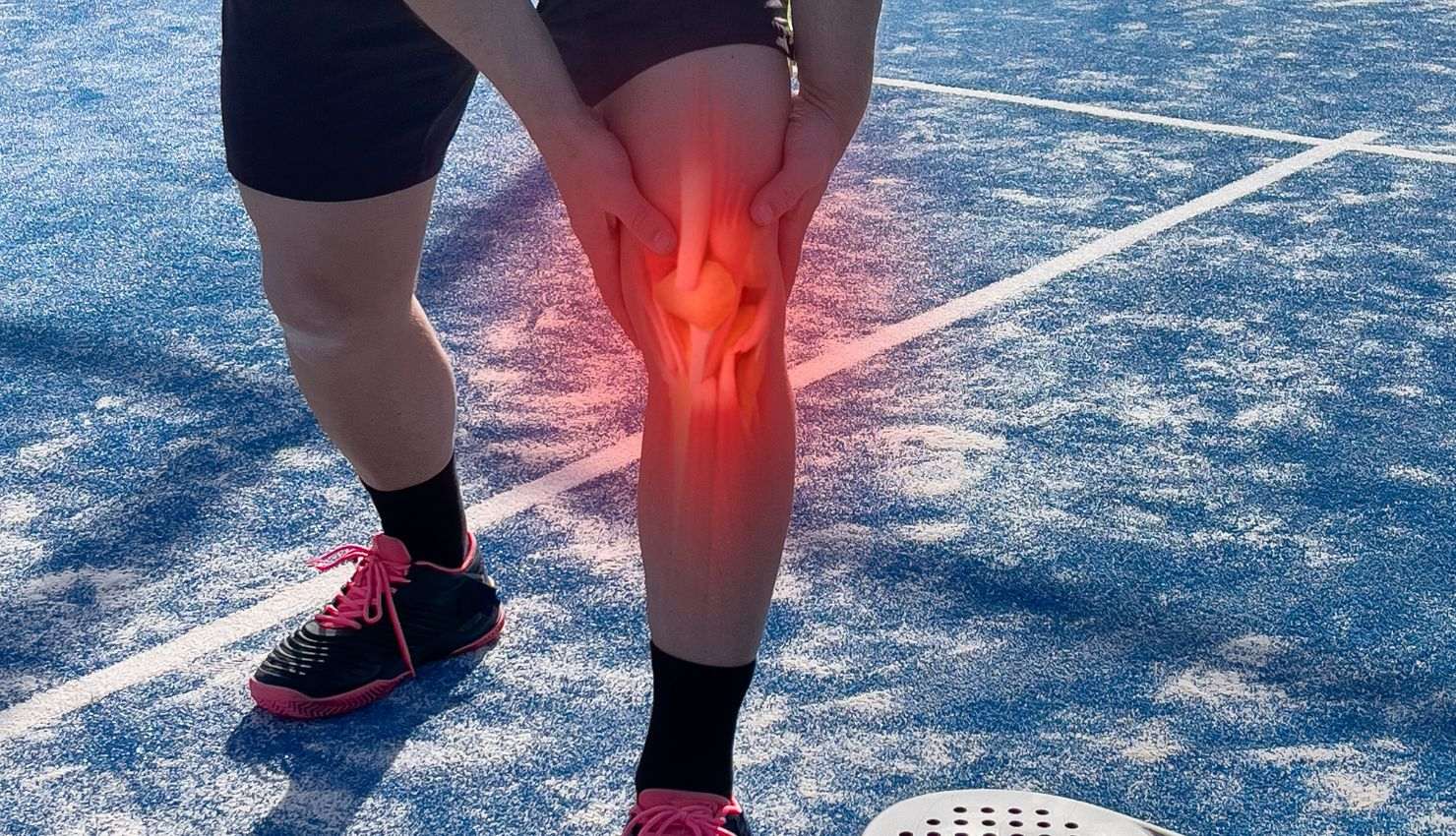
Chronic pain affects millions of people around the world and can significantly impact daily activities, emotional well-being, and overall quality of life. Whether caused by conditions like arthritis, back pain, sports injuries, or fibromyalgia, pain can lead to decreased mobility, difficulty performing everyday tasks, and feelings of frustration and helplessness. While medications and surgeries are common treatment options, physiotherapy offers a holistic, non-invasive approach that can significantly improve quality of life for pain sufferers.
Through targeted exercises, manual therapy, education, and lifestyle adjustments, physiotherapists help individuals manage and reduce pain, improve mobility, and regain independence. Here’s how physiotherapy can improve the quality of life for people suffering from pain:
### **1. Pain Relief Through Targeted Treatments**
One of the primary goals of physiotherapy is to provide pain relief. Physiotherapists use a variety of methods to reduce pain and inflammation, making it easier for individuals to move and engage in daily activities.
#### **How Physiotherapy Alleviates Pain:**
* **Manual Therapy**: Physiotherapists use hands-on techniques such as soft tissue mobilization, joint mobilization, and myofascial release to reduce muscle tension, improve joint mobility, and alleviate pain. This helps release tight muscles, improve circulation, and reduce stiffness.
* **Therapeutic Modalities**: Methods like cold therapy (cryotherapy) and heat therapy can be used to reduce swelling, improve circulation, and relax muscles. Cold therapy is particularly effective in the early stages of injury or inflammation, while heat therapy is useful for chronic pain and muscle tightness.
* **TENS (Transcutaneous Electrical Nerve Stimulation)**: TENS uses electrical impulses to block pain signals and stimulate the release of endorphins, the bodys natural painkillers. Its a non-invasive way to reduce pain without medication.
* **Ultrasound Therapy**: Therapeutic ultrasound uses sound waves to penetrate deep tissues, promoting circulation, reducing inflammation, and accelerating healing. It is especially beneficial for conditions like tendonitis or muscle strains.
These pain relief techniques help sufferers find relief and make it easier to engage in other rehabilitation activities that will further improve function and mobility.
—
### **2. Restoring Mobility and Function**
Pain, especially when chronic, often leads to limited movement or stiffness in the joints and muscles. Physiotherapy focuses on restoring normal movement patterns, improving range of motion (ROM), and strengthening muscles to help individuals regain independence.
#### **How Physiotherapy Improves Mobility:**
* **Stretching and Flexibility Exercises**: Physiotherapists guide patients through stretches to reduce muscle tightness, improve flexibility, and enhance joint mobility. For example, stretching the hip flexors can reduce lower back pain and improve hip joint flexibility, making daily movements easier.
* **Range of Motion (ROM) Exercises**: ROM exercises are specifically designed to restore or maintain the normal movement of joints. These exercises are essential for conditions like arthritis, frozen shoulder, or post-surgery rehabilitation.
* **Strengthening Exercises**: Physiotherapists provide strengthening exercises to rebuild muscle strength around painful joints, improving stability and reducing strain on the affected area. Stronger muscles provide better support to the bones and joints, which can alleviate pain and prevent further injury.
By improving movement, strength, and flexibility, physiotherapy enables individuals to perform daily tasks with less pain and more ease.
—
### **3. Prevention of Future Pain and Injury**
Physiotherapy not only helps reduce current pain but also prevents future injuries by addressing risk factors such as poor posture, muscle imbalances, and improper movement patterns. Through education and tailored exercise programs, physiotherapists help individuals avoid re-injury and manage their pain more effectively in the long term.
#### **How Physiotherapy Prevents Future Pain:**
* **Postural Correction**: Poor posture can lead to muscle imbalances, joint misalignment, and chronic pain. Physiotherapists educate individuals on how to maintain proper posture during daily activities like sitting, standing, walking, or lifting. Proper posture reduces strain on muscles and joints, preventing pain from recurring.
* **Ergonomics**: Physiotherapists assess your work and living environment to recommend ergonomic adjustments to reduce strain on the body. For example, adjusting desk height, using proper footwear, or setting up a work chair that supports the spine can reduce the risk of developing pain in the neck, back, or legs.
* **Movement Retraining**: Physiotherapists analyze movement patterns during activities such as walking, running, or lifting. They identify and correct faulty movement patterns that contribute to strain and injury. For example, they may correct a runners form to reduce stress on the knees and prevent patellofemoral pain syndrome.
Preventing future pain and injury helps individuals maintain their quality of life by reducing the likelihood of flare-ups and long-term discomfort.
—
### **4. Improved Mental and Emotional Well-Being**
Chronic pain can lead to feelings of frustration, depression, and anxiety. Physiotherapy not only addresses the physical aspects of pain but also provides mental and emotional benefits by helping individuals regain control over their health and improve their quality of life.
#### **How Physiotherapy Enhances Emotional Health:**
* **Empowerment Through Education**: Physiotherapists educate patients about their condition, the underlying causes of their pain, and the treatments available. Knowledge helps individuals feel more in control of their health and less fearful of their pain.
* **Stress and Pain Management**: Physiotherapists use relaxation techniques like deep breathing, progressive muscle relaxation (PMR), and mindfulness to help patients manage stress and reduce pain. Chronic pain can be aggravated by stress, so managing both physical and emotional tension is key to recovery.
* **Building Confidence**: As patients begin to see improvements in pain levels and mobility, they feel more confident in their ability to manage their condition. This positive reinforcement helps reduce anxiety and depression associated with chronic pain, leading to better mental health outcomes.
Improving mental and emotional well-being is an essential part of pain management, as a positive mindset helps individuals better cope with pain and take an active role in their rehabilitation.
—
### **5. Tailored Exercise Programs**
Exercise is often a key component of physiotherapy, but it’s important to ensure that exercises are tailored to the individual’s needs, taking into account the nature of their pain, injury, or condition.
#### **How Physiotherapists Design Tailored Exercise Programs:**
* **Personalized Exercise Plans**: Physiotherapists develop exercise programs specific to the patients condition, pain levels, and goals. These plans include stretches, strengthening exercises, balance training, and functional movements designed to alleviate pain and restore function.
* **Gradual Progression**: Exercises are introduced gradually, starting with low-intensity movements and progressing to more challenging activities as strength and mobility improve. This ensures that individuals are not overwhelmed by the exercises and experience less pain during rehabilitation.
* **Adaptability**: Physiotherapists continually adjust the exercise program based on how the patient responds to treatment. If an exercise causes pain or discomfort, it can be modified or replaced with a more suitable alternative to ensure continuous progress.
Tailored exercise programs ensure that patients receive the right level of activity to address their pain and rehabilitation goals, while minimizing the risk of exacerbating their condition.
—
### **6. Education on Self-Management**
An important aspect of physiotherapy is teaching individuals how to manage their pain outside of therapy sessions. Physiotherapists equip patients with the knowledge and tools they need to take control of their pain and improve their overall health in the long term.
#### **How Physiotherapy Provides Self-Management Tools:**
* **Home Exercise Programs**: Physiotherapists provide exercises for patients to do at home, helping them maintain their progress between sessions. These exercises are designed to complement the in-clinic treatments and enhance recovery.
* **Lifestyle Modifications**: Physiotherapists offer advice on healthy lifestyle changes, such as incorporating regular low-impact exercises, maintaining a healthy diet, staying hydrated, and getting adequate rest to support recovery and prevent pain flare-ups.
* **Pain Management Strategies**: Physiotherapists teach patients how to manage pain at home using techniques such as heat/cold therapy, posture correction, and proper body mechanics for daily activities.
By educating patients on how to manage their pain independently, physiotherapists empower them to make lasting improvements in their health and quality of life.
—
### **7. Improving Functional Independence**
Pain can limit a persons ability to perform everyday tasks, such as walking, bending, lifting, or reaching. Physiotherapy focuses on restoring functional independence, enabling individuals to engage in daily activities without relying on others or experiencing constant pain.
#### **How Physiotherapy Improves Function:**
* **Functional Training**: Physiotherapists help patients regain the ability to perform daily tasks by teaching specific exercises and techniques designed to improve functional mobility. This includes practicing movements such as squatting, lifting objects, or climbing stairs.
* **Assistive Devices and Modifications**: Physiotherapists may recommend assistive devices (e.g., walking aids, braces, or splints) or environmental modifications to help patients move more easily and safely. These tools allow patients to maintain independence and reduce strain on the body.
Improving functional independence ensures that individuals can go about their daily lives with less reliance on others, enhancing their overall well-being and self-esteem.
—
### **Conclusion**
Physiotherapy plays a vital role in improving the quality of life for pain sufferers by offering a holistic approach to pain management. Through pain relief techniques, manual therapy, tailored exercise programs, posture correction, and self-management strategies, physiotherapists help individuals reduce pain, restore mobility, and regain independence. Physiotherapy not only addresses the physical aspects of pain but also supports emotional well-being, providing individuals with the tools they need to live more comfortably and actively. If you’re suffering from pain, seeking the guidance of a physiotherapist can help improve your quality of life, reduce discomfort, and help you return to your daily activities with confidence.