How Physiotherapy Prevents Overuse Injuries in Dancers explores targeted strategies for recovery. Discover new paths to mobility, healing, and personalized care.

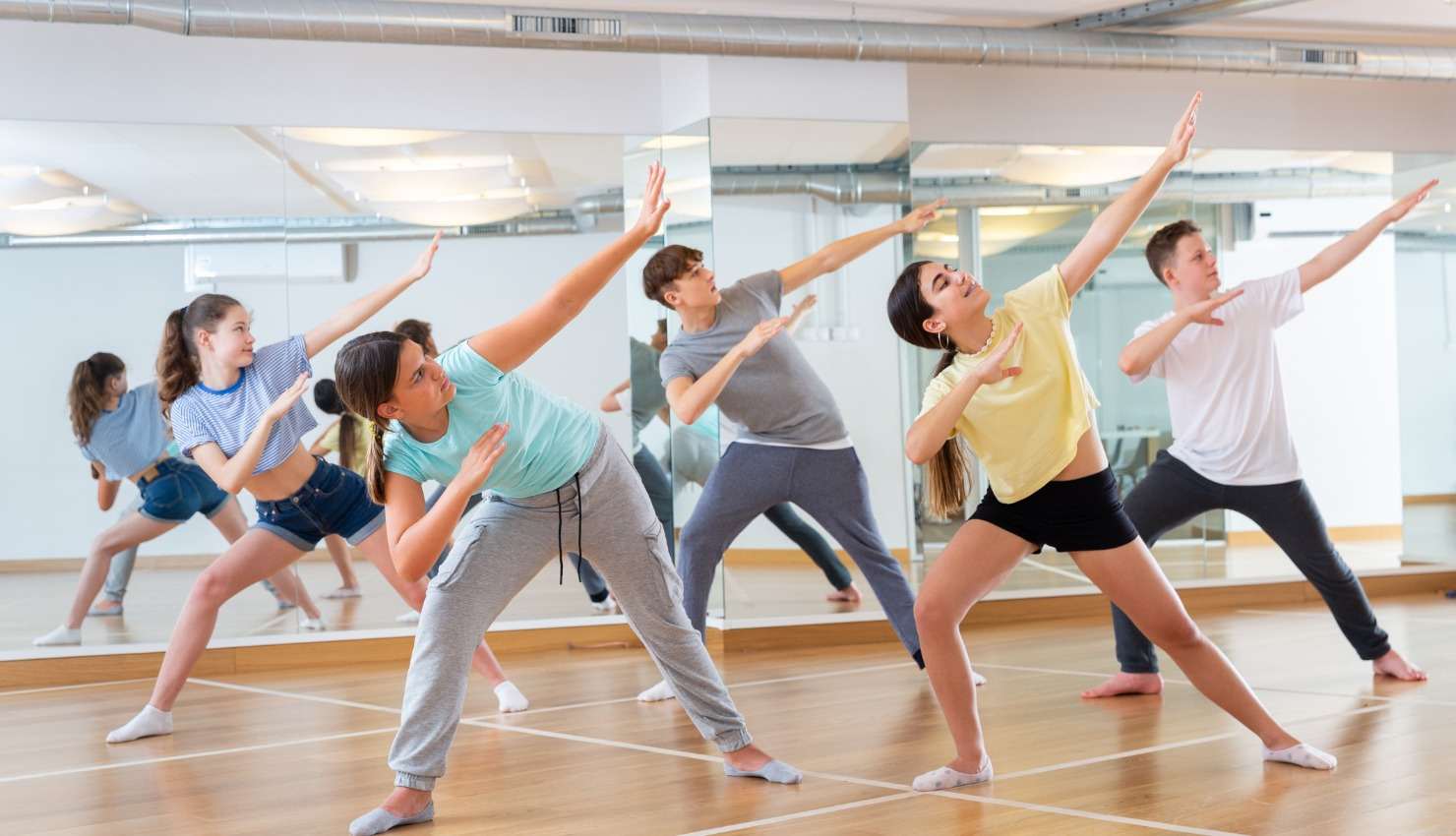
Dancing is an art form that requires incredible strength, flexibility, and endurance. However, with the repetitive motions and physical demands of dance, dancers are prone to overuse injuries. These injuries, often caused by repetitive stress or strain on the muscles, joints, and ligaments, can lead to long-term pain and performance limitations. This is where physiotherapy comes into play. By addressing movement patterns, improving body mechanics, and providing targeted treatment, physiotherapy can help prevent overuse injuries and allow dancers to maintain peak performance.
The Nature of Overuse Injuries in Dancers
Overuse injuries occur when a dancers body is subjected to repetitive stress without sufficient time for recovery. These injuries typically develop gradually and are often seen in dancers who perform high-impact movements or repeat the same steps for extended periods. Common overuse injuries among dancers include tendonitis, stress fractures, shin splints, and muscle strains.
The repetitive nature of dance can also cause imbalances in muscle strength and flexibility, leading to areas of the body being overworked while others remain underdeveloped. For example, poor posture or alignment can lead to stress in the knees, hips, or lower back, which can ultimately affect performance and increase the risk of injury.
How Physiotherapy Helps Prevent Overuse Injuries
Physiotherapy is integral to preventing overuse injuries in dancers. Through a combination of movement analysis, strengthening exercises, manual therapy, and injury prevention techniques, physiotherapists help dancers avoid the physical strain that leads to overuse injuries. Below are several key ways physiotherapy helps dancers stay injury-free:
Comprehensive Movement Analysis
Physiotherapists specialize in movement analysis, which involves observing how a dancer moves and identifying any imbalances or inefficient movement patterns. This analysis helps detect areas of the body that are being overworked or misaligned. By understanding these factors, physiotherapists can design individualized programs to correct these issues and reduce the likelihood of injury.
Muscle Strengthening
Weak or imbalanced muscles are a common cause of overuse injuries. Physiotherapists provide targeted strengthening exercises that help dancers build muscle endurance and balance, ensuring that no muscle group is overworked. Strengthening the core, legs, and feet, for example, can support the body during dynamic movements and reduce unnecessary strain on joints and tendons.
Stretching and Flexibility Training
Flexibility plays a key role in injury prevention. Tight muscles and tendons are more prone to injury when subjected to the high demands of dance. Physiotherapists guide dancers through flexibility exercises that help increase the range of motion in the muscles and joints. Stretching improves flexibility, reduces tension, and ensures that dancers can move with ease without the risk of overstretching or straining muscles.
Correcting Posture and Alignment
Proper posture and alignment are crucial for dancers. Misalignment can lead to excessive stress on the body and contribute to overuse injuries. Physiotherapists assess a dancers posture and provide exercises to correct any imbalances. By working on alignment, dancers can distribute stress more evenly across the body, minimizing the risk of injury and improving overall performance.
Providing Education on Injury Prevention
A key component of physiotherapy is education. Physiotherapists work closely with dancers to educate them on how to prevent overuse injuries. This includes advice on warming up and cooling down, proper footwear, pacing during practice, and the importance of rest and recovery. Physiotherapists also educate dancers on recognizing the early signs of overuse injuries so that they can take action before an injury becomes severe.
Manual Therapy Techniques
Manual therapy, such as soft tissue release, joint mobilizations, and massage, can help reduce muscle tension and improve circulation. This treatment can target areas of the body that are prone to overuse, such as the lower back, hips, knees, and ankles. Regular manual therapy sessions can reduce muscle tightness, alleviate pain, and promote better range of motion.
Recovery and Rest Protocols
Overuse injuries often occur when dancers do not allow enough time for recovery. Physiotherapists can help dancers develop appropriate rest and recovery strategies, which may include scheduled breaks, alternate workout routines, or lower-impact cross-training activities. Rest allows the body to repair itself and prevents the accumulation of stress that leads to injury.
Building an Injury Prevention Program
Physiotherapists can design personalized injury prevention programs that target specific areas of concern for dancers. These programs typically include a combination of strength training, flexibility exercises, cardiovascular conditioning, and posture correction. A well-rounded program helps prevent overuse injuries and prepares the body for the physical demands of dance.
Common Overuse Injuries in Dancers
Some of the most common overuse injuries in dancers include:
Tendonitis: Inflammation of the tendons, particularly in the Achilles tendon, patellar tendon, or rotator cuff, is a frequent issue for dancers due to repetitive motion and strain.
Stress Fractures: Small cracks in the bones, usually in the feet or lower legs, can develop from repetitive jumping or overloading.
Shin Splints: Pain along the shin bone caused by excessive pressure on the muscles and tendons in the lower leg.
Hip or Lower Back Strains: Repeated bending, twisting, and lifting can strain the muscles of the hips and lower back, leading to discomfort or injury.
Conclusion
Preventing overuse injuries is essential for dancers who want to continue performing at their best without being sidelined by injury. Physiotherapy provides dancers with the tools and knowledge they need to protect their bodies from the physical demands of their craft. By focusing on strengthening, flexibility, posture correction, and injury prevention, physiotherapists can help dancers stay healthy, injury-free, and performing at their peak. Investing in physiotherapy is a wise choice for dancers who are serious about their craft and long-term health.