How Physiotherapy Promotes Flexibility in Contemporary Dance explores targeted strategies for recovery. Discover new paths to mobility, healing, and personalized care.

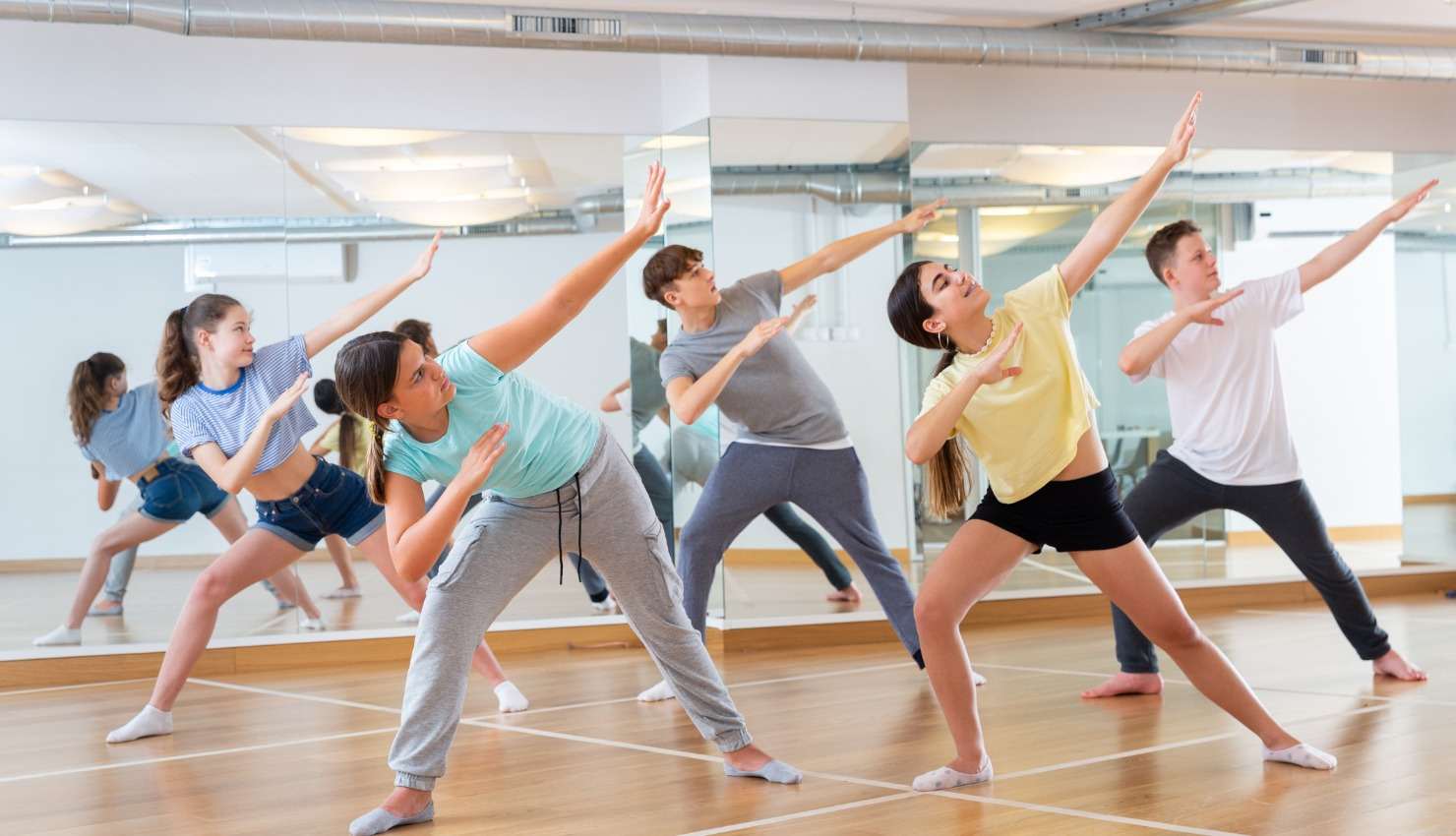
Contemporary dance demands more than strength and rhythmit requires fluidity, emotional expression, and extreme flexibility. From deep backbends and floor work to long extensions and contractions, a dancers ability to move freely is essential to both performance and injury prevention.
Thats where physiotherapy comes in. More than just injury treatment, physiotherapy helps contemporary dancers develop safe, sustainable flexibility that supports the art forms dynamic range of motion.
????? Why Flexibility Matters in Contemporary Dance
Enables seamless transitions between floor and standing movement
Supports aesthetic shapes like extensions, contractions, and spirals
Prevents strain from forced or compensatory movement patterns
Enhances expressiveness and emotional depth through the body
But achieving this flexibility safely requires more than static stretching. Its about developing joint mobility, muscular control, and functional movementcore elements of physiotherapy.
?? How Physiotherapy Enhances Flexibility
?? 1. Assessment-Based Mobility Training
Physiotherapists assess each dancers:
Joint range of motion
Muscle imbalances
Alignment and posture
Movement patterns and restrictions
? Based on the findings, they design targeted flexibility routines that address your unique body, rather than using generic stretches.
?? Why it helps: Avoids over-stretching and promotes healthy movement mechanics.
?? 2. Joint Mobilization Techniques
Contemporary dancers often face tight hips, limited thoracic spine mobility, or restricted anklesall of which can limit movement flow.
Physiotherapists use:
Manual mobilization of the spine, pelvis, and hip joints
Band-assisted stretches to increase joint glide
Neuromuscular techniques to activate supporting muscles
?? Why it helps: Improves joint range without compromising joint stability.
?? 3. Dynamic and Functional Stretching
Physiotherapy moves dancers beyond static splits and backbends to dynamic flexibility, which is crucial for performance.
? Techniques include:
Leg swings, deep lunges, and arm circles
Eccentric loading (e.g., slow leg lowers from développé)
Flow-based movement patterns that mimic choreography
?? Why it helps: Builds flexibility that translates directly to real dance movement.
?? 4. Fascial and Soft Tissue Release
Tightness in fascia (the connective tissue surrounding muscles) can restrict flexibility.
Physiotherapists may apply:
Myofascial release (hands-on or with foam rollers)
Instrument-assisted soft tissue mobilization (IASTM)
Trigger point therapy in calves, hamstrings, and glutes
?? Why it helps: Releases restrictions that limit stretch potential.
?? 5. Neurodynamic Stretching and PNF Techniques
Physiotherapy incorporates techniques that work with the nervous system to train muscles to tolerate greater lengths safely.
? Examples:
PNF stretching: Contract-relax techniques to increase passive range
Nerve gliding: For dancers with tightness in the sciatic or femoral nerves
Breathwork to downregulate nervous system and increase release
?? Why it helps: Expands flexibility while minimizing injury risk or muscle guarding.
????? 6. Postural Correction and Core Control
A dancers posture affects their flexibility. Physiotherapists help correct spinal misalignments or pelvic tilts that may block full range.
? Programs often include:
Core activation (e.g., deep transverse abdominis)
Glute and hip stabilizer strengthening
Thoracic extension and rotation training
?? Why it helps: A properly aligned body can stretch further and more freely.
?? Common Flexibility Challenges in Contemporary Dancers (and How Physio Helps)
Area of Restriction Physiotherapy Focus
Hamstrings PNF, eccentric loading, pelvic alignment correction
Hip flexors Manual release, lunge variations, activation of glutes
Spine Thoracic mobility drills, segmental extension training
Ankles Dorsiflexion mobilization, calf lengthening, toe joint mobilization
Shoulders Scapular control work, neural glides, open chain stretches
? Daily Flexibility Routine (Physio-Approved)
Activity Purpose
Foam rolling calves, hamstrings, and quads Loosens fascia and muscles
Dynamic stretches (510 min) Prepares body for movement
Joint mobility (hips, spine, ankles) Increases safe range of motion
Strength + stretch combo (e.g., arabesque holds) Builds functional flexibility
Breath and body scan Enhances relaxation and release
?? Final Thought
True flexibility in contemporary dance isn’t just about how far you can stretchit’s about how well you can move. With physiotherapy, dancers gain the tools to build sustainable flexibility rooted in science, safety, and smart movement.