When your body experiences injury, overuse, or stress, it responds with inflammationa natural part of healing. That inflammation often brings: Swelling Redness or heat Stiffness Pain, especially with movement In small doses, inflammation is helpful.

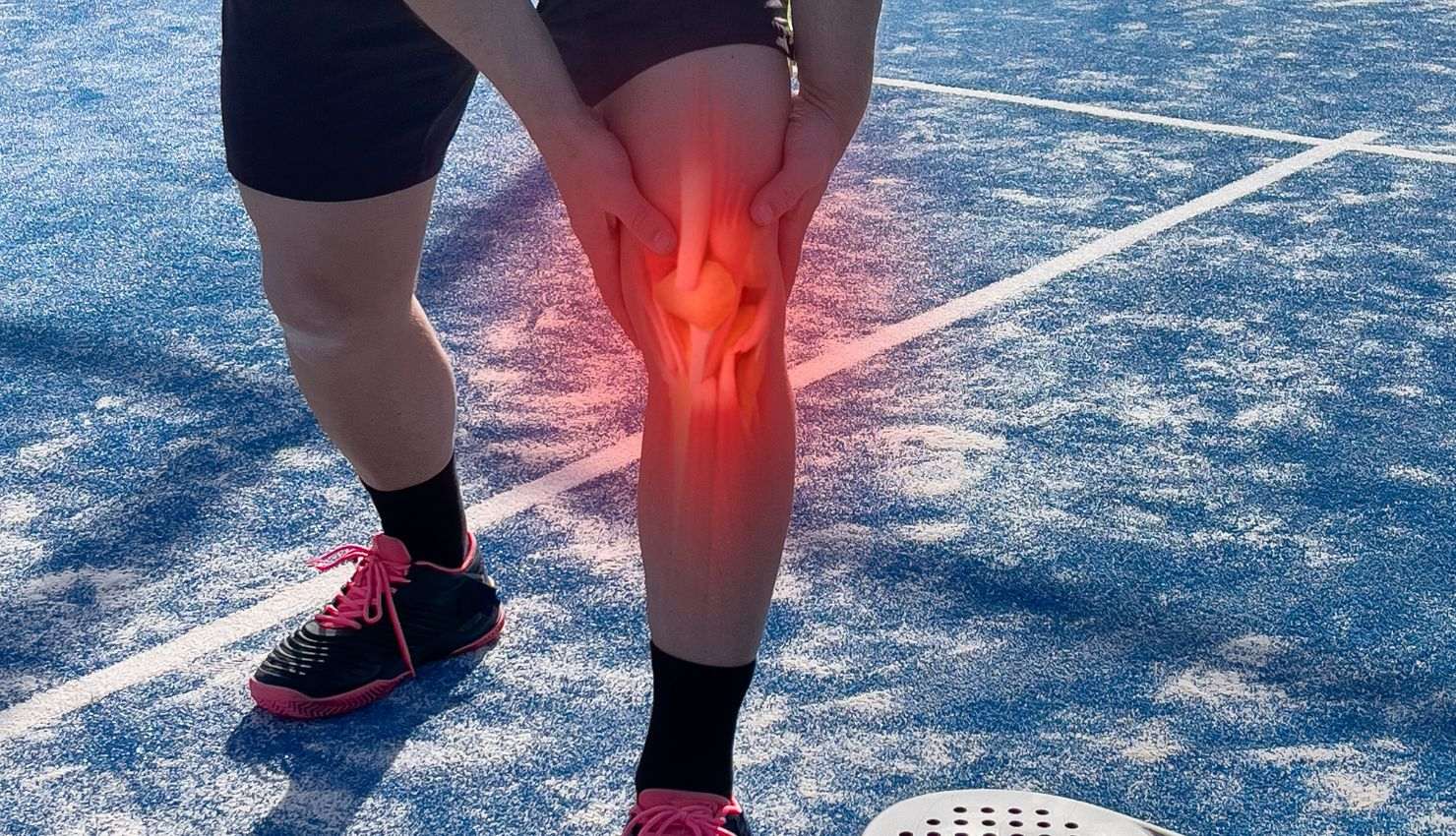
When your body experiences injury, overuse, or stress, it responds with inflammationa natural part of healing. That inflammation often brings:
Swelling
Redness or heat
Stiffness
Pain, especially with movement
In small doses, inflammation is helpful. But when it lingers, or becomes chronic, it causes more pain, stiffness, and dysfunction. Thats where physiotherapy steps into calm the fire and restore smooth, pain-free movement.
??? How Physiotherapy Reduces Inflammation and Pain
1. Targeted Movement & Exercise
Heres the magic: controlled movement actually reduces inflammation.
Light movement boosts blood flow, which helps flush out swelling and bring in healing nutrients.
Gentle exercises help stimulate the lymphatic system, clearing out cellular waste.
Strengthening weak muscles offloads inflamed tissues so they can recover.
Your physio will guide you through:
Range-of-motion exercises to keep joints mobile
Isometric strength training (pain-free muscle activation)
Low-load aerobic activity (like walking or cycling)
Think of it as motion with intention, not stress.
2. Manual Therapy
Hands-on physiotherapy techniques help break up stiffness and promote healing:
Soft tissue massage: Relieves muscle tension and boosts circulation
Joint mobilization: Restores proper joint glide and reduces pressure
Myofascial release: Targets connective tissue tightness that traps inflammation
Trigger point therapy: Eases referred pain from tense, knotted muscles
These can bring instant pain relief and help restore mobility.
3. Pain-Relief Modalities
Physios have a toolbox of gentle, science-backed tools to calm irritation:
TENS (Transcutaneous Electrical Nerve Stimulation): Sends mild electrical signals that block pain at the nerve level
Ultrasound therapy: Sends sound waves into tissue to reduce inflammation and stimulate repair
Cryotherapy (ice therapy): Reduces swelling in acute injuries
Heat therapy: Loosens stiff muscles and improves circulation in chronic conditions
Kinesiology taping: Gently lifts the skin to reduce pressure and enhance drainage
These are used strategically based on the stage and type of inflammation you’re dealing with.
4. Education and Load Management
Pain often worsens because were unknowingly aggravating the issue. Your physio teaches you how to:
Modify activities that trigger pain or inflammation
Use proper posture and body mechanics
Take strategic breaks and pace yourself throughout the day
Implement supportive footwear, braces, or ergonomic aids
This gives your body the chance to heal without constantly re-irritating the area.
5. Stress Reduction and Breathing Techniques
Believe it or not, chronic stress can make pain and inflammation worseby increasing muscle tension and inflammatory markers. Some physios incorporate:
Breathing exercises to down-regulate the nervous system
Relaxation training to reduce muscle guarding
Mind-body approaches like clinical Pilates or guided movement
Less stress = less tension = less pain.
?? The Cycle Physiotherapy Breaks:
Without treatment, the body often gets stuck in a pain-inflammation-pain loop:
Pain leads to reduced movement
Reduced movement increases stiffness and inflammation
More inflammation = more pain
Physiotherapy interrupts this cycle by reintroducing safe movement, calming irritated tissues, and giving the body tools to heal properly.
? Final Takeaway
Physiotherapy doesnt just treat painit treats why youre in pain. By using movement, manual therapy, education, and targeted modalities, physios help your body do what it was built to do: heal, recover, and thrivewithout unnecessary medication or surgery.