Inflammation is a natural response of the body to injury or infection, but when it becomes chronic or excessive, it can hinder the healing process and lead to ongoing pain and discomfort. Physiotherapy plays a crucial role in reducing inflammation during recovery from injuries.

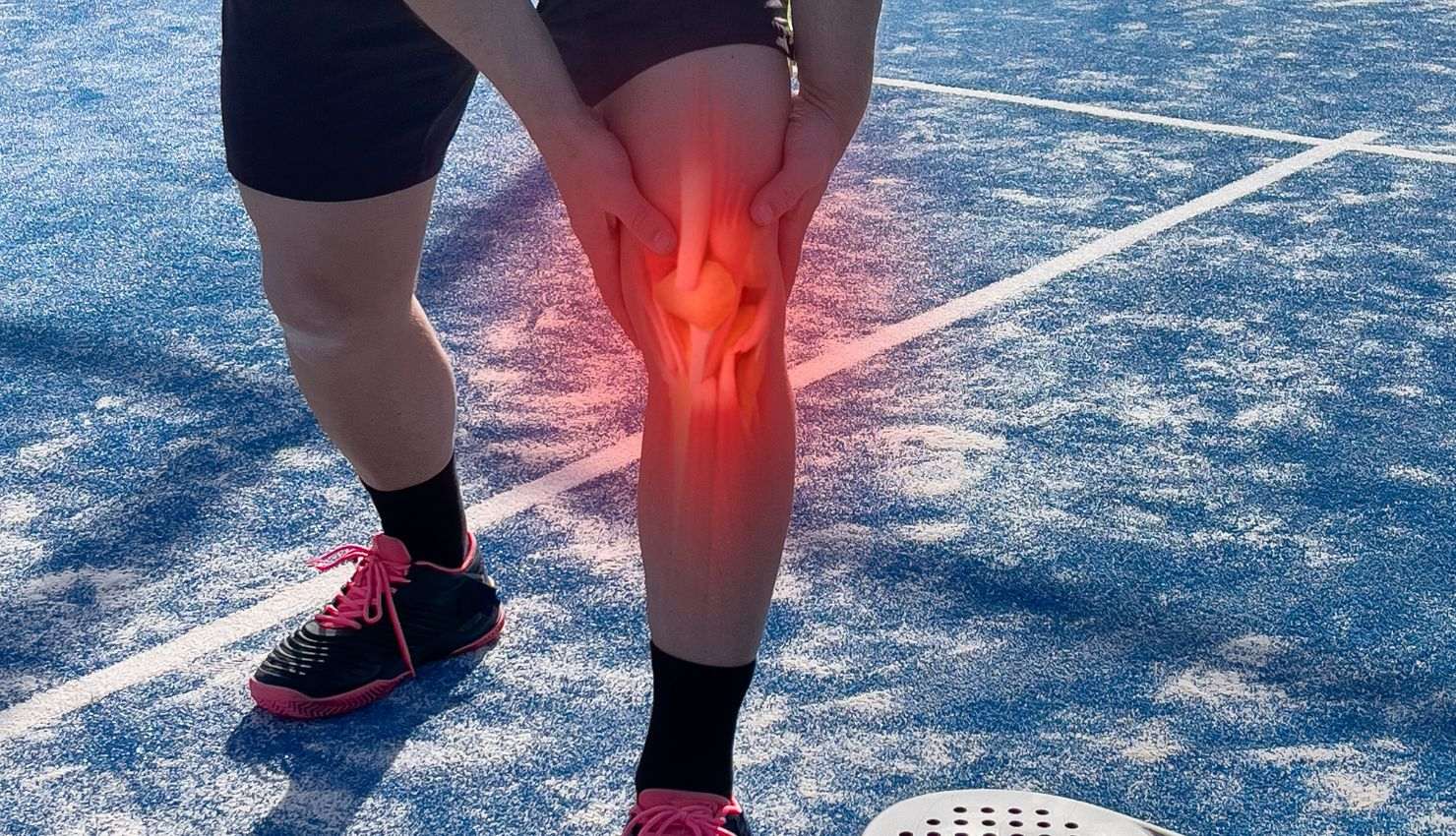
Inflammation is a natural response of the body to injury or infection, but when it becomes chronic or excessive, it can hinder the healing process and lead to ongoing pain and discomfort. Physiotherapy plays a crucial role in reducing inflammation during recovery from injuries. Here’s how physiotherapy helps manage and reduce inflammation effectively:
1. Manual Therapy
Physiotherapists use various hands-on techniques to reduce inflammation and promote healing. These methods help by improving circulation, reducing muscle tension, and promoting tissue repair.
Massage: Techniques like deep tissue massage or myofascial release can stimulate blood flow, which helps clear out inflammatory mediators and waste products from the injured area. Massage also relaxes tight muscles and reduces the discomfort caused by swelling.
Joint Mobilization: Gentle mobilization of joints helps reduce stiffness and improves fluid movement around the injury, which can reduce inflammation. This approach also helps restore normal range of motion in injured tissues.
2. Cold Therapy (Cryotherapy)
One of the most common and effective methods used in the early stages of injury is cold therapy. Applying ice or cold packs to an injured area helps:
Constrict Blood Vessels: This reduces blood flow to the area, which can decrease swelling and inflammation.
Numb the Area: The cold helps numb the injured area, which reduces pain and discomfort, giving the body a chance to heal without further irritation.
Limit Inflammatory Responses: Cold therapy helps reduce the production of pro-inflammatory cytokines (substances that increase inflammation), which in turn minimizes swelling and irritation.
3. Heat Therapy
While cold therapy is used primarily in the initial stages following an injury to reduce swelling, heat therapy becomes beneficial during the later stages of recovery. It can help reduce inflammation by:
Improving Circulation: Applying heat increases blood flow to the affected area, which helps flush out waste products and inflammatory substances.
Relaxing Muscles: Heat helps relax tight muscles and reduces muscle spasms, which can also contribute to inflammation and discomfort.
Promoting Tissue Repair: Increased blood flow from heat therapy encourages the delivery of oxygen and nutrients to the injured area, promoting the healing process and reducing prolonged inflammation.
4. Ultrasound Therapy
Ultrasound therapy is commonly used by physiotherapists to target deeper tissues. It uses high-frequency sound waves that penetrate into the tissues to:
Stimulate Healing: The vibrations from ultrasound can promote cellular repair and reduce inflammation in the injured area.
Increase Blood Flow: The energy from ultrasound stimulates blood flow, which helps remove waste products and promotes the delivery of nutrients to damaged tissues.
Reduce Swelling: Ultrasound can also help break down the buildup of excess fluid, which contributes to swelling and inflammation.
5. Transcutaneous Electrical Nerve Stimulation (TENS)
TENS therapy involves applying a mild electrical current to the skin over the injured area. This helps reduce pain and inflammation in several ways:
Pain Blockage: The electrical impulses can override pain signals traveling to the brain, reducing the sensation of pain and preventing the inflammatory response associated with pain.
Endorphin Release: TENS stimulates the release of endorphins, the bodys natural painkillers, which can also reduce the inflammatory response by limiting the perception of discomfort.
Improved Blood Flow: TENS can help improve circulation in the injured area, which promotes the removal of inflammatory chemicals and enhances healing.
6. Exercise Therapy
Controlled, low-impact exercises are an essential part of physiotherapy. While it may seem counterintuitive to move an injured area, physiotherapists use targeted exercises to:
Increase Circulation: Gentle movements improve blood flow to the injured tissues, which helps remove waste products and reduces swelling and inflammation.
Strengthen Surrounding Muscles: Strengthening the muscles around the injured area supports the recovery process and prevents future injuries. Well-conditioned muscles also help reduce strain on the injured area, thus limiting inflammation.
Maintain Range of Motion: Regular movement through a controlled range of motion prevents stiffness and helps prevent secondary inflammation caused by immobility.
7. Elevation
Physiotherapists often recommend elevating the injured area above the level of the heart, especially in the initial stages following an injury. Elevation helps to:
Reduce Swelling: By elevating the limb, gravity assists in draining excess fluid away from the injured area, which can decrease inflammation.
Promote Drainage: Elevation supports the natural lymphatic drainage process, helping remove excess fluid and inflammatory substances.
8. Compression Therapy
Compression, often applied through bandages or specialized garments, helps reduce swelling and inflammation. It works by:
Controlling Fluid Accumulation: Compression helps prevent excess fluid buildup around the injury site, which can cause swelling and increase inflammation.
Supporting Healing: Compression provides gentle support to the injured area, which helps stabilize the tissues and reduce the strain that could otherwise exacerbate inflammation.
9. Proprioceptive Exercises
Physiotherapists may incorporate proprioceptive exercises, such as standing on unstable surfaces or using balance boards, to help the body better perceive and react to its surroundings. This reduces strain on the injured tissues, preventing further irritation and inflammation.
10. Education and Self-Care Techniques
Physiotherapists educate patients on how to manage their injuries and prevent further inflammation. This includes:
Rest and Activity Modification: Understanding when to rest and when to safely resume activity is crucial in preventing further irritation.
Posture and Movement Corrections: Poor posture or improper movement patterns can place excessive stress on injured tissues, prolonging inflammation. Physiotherapists can teach better techniques to protect the injured area.
Conclusion
Physiotherapy is a powerful tool in reducing inflammation caused by injuries. With techniques like manual therapy, cold and heat treatments, ultrasound therapy, and targeted exercises, physiotherapists help manage inflammation, relieve pain, and promote healing. By addressing the root causes of inflammation and guiding patients through a customized recovery plan, physiotherapy helps accelerate the healing process and ensures a stronger, pain-free future.
Do you like this personality?
Tools