How Physiotherapy Relieves Stress During Hormonal Transitions explores targeted strategies for recovery. Discover new paths to mobility, healing, and personalized care.

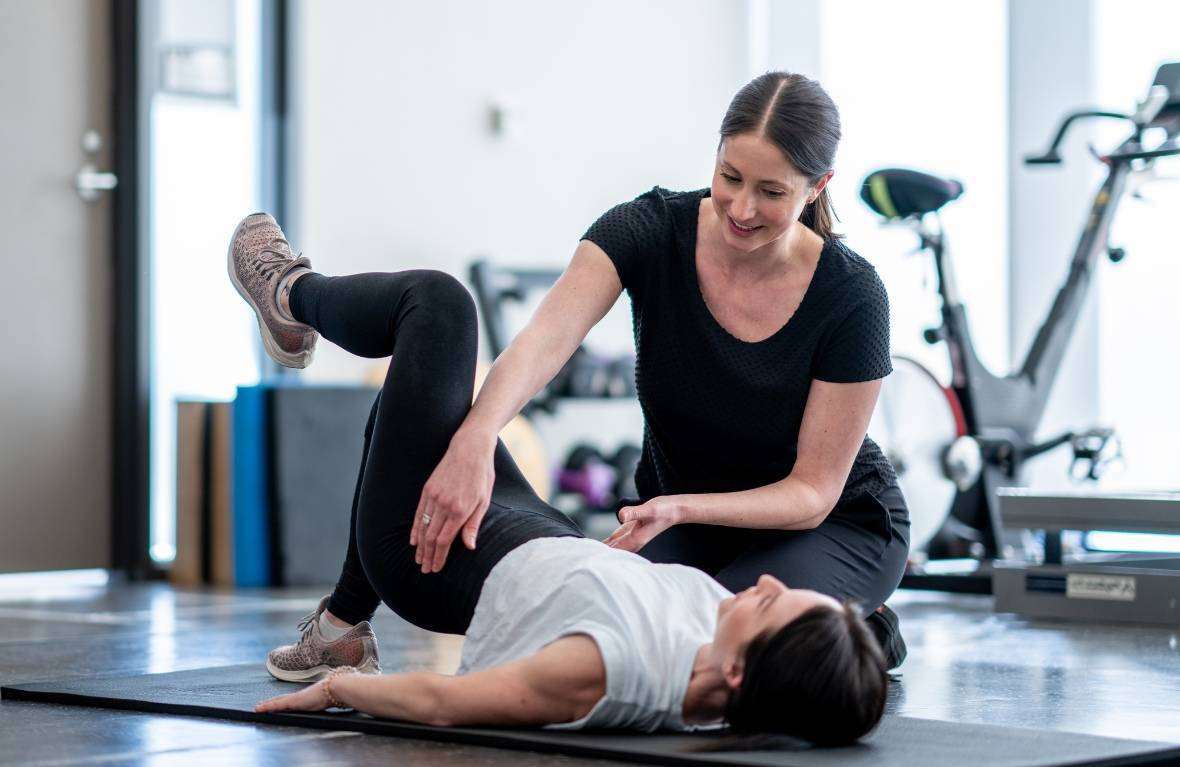
Hormonal transitionssuch as puberty, pregnancy, postpartum, and menopausebring significant physical and emotional changes. One of the most common and challenging experiences during these phases is increased stress. Hormonal fluctuations impact neurotransmitters and the nervous system, often leading to anxiety, irritability, and difficulty managing everyday pressures. Physiotherapy offers an effective, holistic approach to relieving stress by addressing both physical symptoms and emotional well-being.
At YourFormsUX.com in Canada, we know how important managing stress during hormonal changes is for your overall health. Physiotherapy techniques can help restore balance and calm during these transformative times.
How Hormonal Changes Trigger Stress
Hormones like cortisol, estrogen, and progesterone directly affect how the brain handles stress. When these hormones fluctuate:
The bodys stress response can become heightened
Sleep quality often decreases, worsening mood and resilience
Muscle tension increases, causing discomfort and pain
Energy levels drop, making it harder to cope with daily demands
This creates a cycle where stress worsens physical symptoms, and physical symptoms amplify stress.
Physiotherapys Role in Stress Relief During Hormonal Changes
Manual Therapy for Muscle Relaxation
Physiotherapy techniques such as massage, myofascial release, and trigger point therapy reduce muscle tension, easing physical discomfort that contributes to stress.
Breathing and Relaxation Exercises
Controlled breathing techniques taught by physiotherapists activate the parasympathetic nervous system, promoting relaxation and lowering heart rate and blood pressure.
Exercise to Regulate Mood
Physiotherapist-guided aerobic and strength exercises release endorphinsnatural mood enhancers that reduce anxiety and promote feelings of well-being.
Improving Sleep Quality
Physiotherapy routines often include gentle stretches and relaxation methods that prepare the body for restorative sleep, which is crucial for stress management.
Posture and Movement Education
Poor posture from stress or hormonal changes can increase muscle strain. Physiotherapists teach postural correction and ergonomic strategies to reduce physical stress on the body.
Integrating Physiotherapy into a Stress Management Plan
Consistency: Regular physiotherapy sessions help maintain stress relief benefits.
Holistic Approach: Combine physiotherapy with mindfulness, nutrition, and counseling for comprehensive care.
Self-Care Education: Learn exercises and techniques you can practice independently to manage stress daily.
The Long-Term Benefits of Physiotherapy for Hormonal Stress
Beyond immediate relief, physiotherapy builds physical resilience and emotional balance. Feeling physically stronger and more relaxed empowers you to better navigate the ups and downs of hormonal transitions, improving your quality of life.