How Physiotherapy Supports Hormonal Balance Throughout the Life Cycle explores targeted strategies for recovery. Discover new paths to mobility, healing, and personalized care.

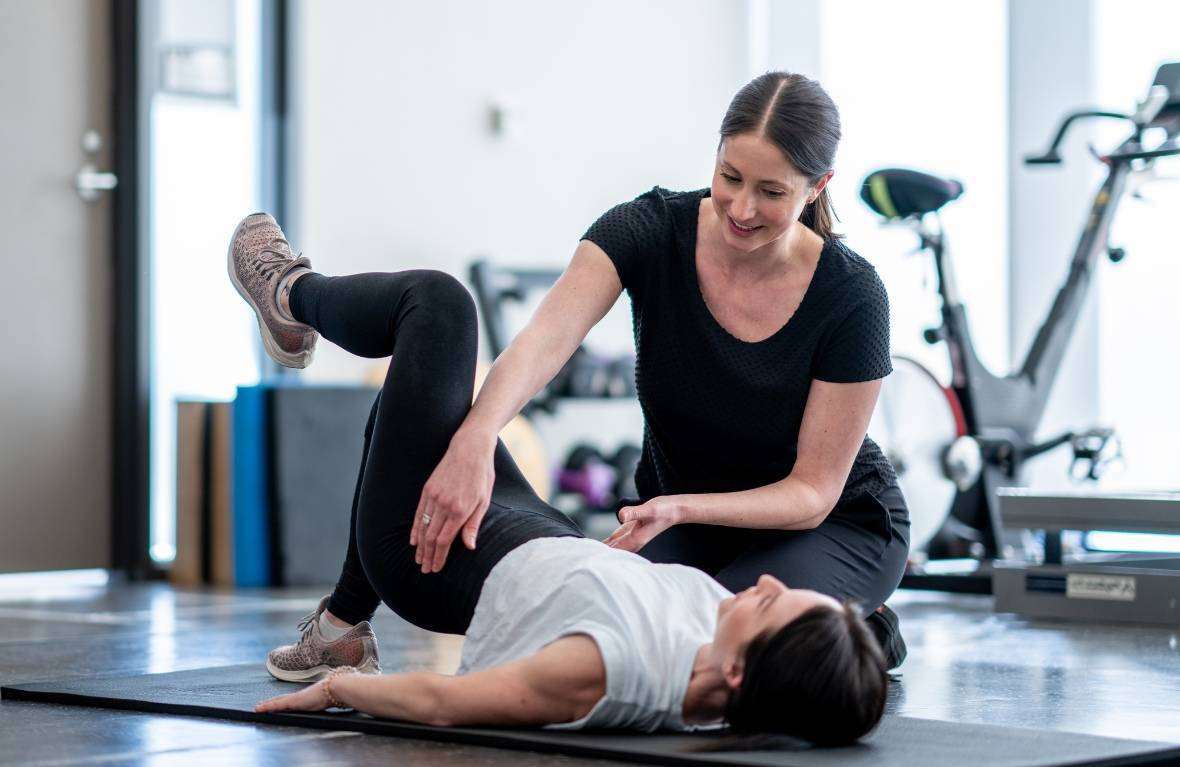
Hormonal balance is a dynamic process that changes throughout different stages of lifefrom puberty and reproductive years to menopause and beyond. Each life phase brings unique hormonal challenges, and managing these shifts effectively is key to maintaining health and well-being. Physiotherapy, often overlooked in hormonal health discussions, offers targeted support that helps balance hormones naturally by addressing physical and neurological factors that influence hormone regulation. At YourFormsUX in Canada, physiotherapy programs are customized to support hormonal balance at every stage of life.
Hormonal Changes and Challenges Across Life Stages
Puberty: The body undergoes rapid hormonal changes that affect growth, mood, and energy. Adolescents may experience muscle aches, fatigue, and emotional ups and downs.
Reproductive Years: Hormonal fluctuations regulate menstrual cycles, fertility, and pregnancy. Issues like PMS, PCOS, and pregnancy-related discomforts are common.
Menopause and Perimenopause: Declining estrogen levels can cause hot flashes, mood swings, weight gain, and decreased bone density.
Aging: Hormone production gradually decreases, affecting metabolism, muscle mass, energy levels, and sleep quality.
Each of these stages demands a tailored approach to support the endocrine system and maintain balance.
Physiotherapys Role in Supporting Hormonal Balance
Physiotherapy supports hormonal balance by improving physical function, reducing stress, and optimizing nervous system healththree key factors that influence hormone regulation.
Managing Physical Symptoms of Hormonal Fluctuations
Muscle aches, joint pain, pelvic discomfort, and fatigue often accompany hormonal shifts. Physiotherapy uses manual therapy, exercise, and targeted treatments to alleviate these symptoms, improving mobility and comfort.
Supporting Stress Regulation
Hormonal imbalances often exacerbate stress, which in turn worsens hormone disruption. Physiotherapists use relaxation techniques, breathing exercises, and gentle movement to calm the nervous system and reduce cortisol levels, fostering better hormonal balance.
Strengthening Key Muscle Groups
From pelvic floor muscles during pregnancy and postpartum to maintaining muscle mass during aging, physiotherapy provides specialized strengthening programs to support hormonal health and physical function.
Enhancing Circulation and Detoxification
Good circulation is essential for hormone transport and detoxification. Physiotherapy techniques such as lymphatic drainage and mobility exercises improve blood flow, promoting efficient hormone distribution and waste removal.
Tailored Physiotherapy Approaches for Different Life Stages
Adolescents: Focus on managing growth-related discomfort, posture correction, and stress relief.
Women in Reproductive Years: Pelvic floor therapy, posture support during pregnancy, and exercise plans for hormonal conditions like PCOS.
Menopausal Women: Strength training, cardiovascular conditioning, and relaxation techniques to ease symptoms and maintain bone health.
Older Adults: Mobility enhancement, balance training, and exercises to counteract age-related hormonal decline and muscle loss.
Why Incorporate Physiotherapy Into Your Hormonal Health Plan?
Hormonal health is not just about medications or dietits about holistic body care. Physiotherapy addresses the physical and nervous system components that influence hormone balance, providing relief from symptoms and improving overall function.
At YourFormsUX, the focus is on personalized care that considers your life stage, symptoms, and health goals to create an effective physiotherapy plan that supports your hormonal health naturally and sustainably.