How Physiotherapy Supports Post-Surgical Recovery for Seniors explores targeted strategies for recovery. Discover new paths to mobility, healing, and personalized care.

Recovering from surgery is never easy, especially for seniors. As we age, our bodies naturally take longer to heal, and the risk of complications increases. This is where physiotherapy steps in as a vital part of post-surgical recovery. Physiotherapy not only aids in speeding up healing but also helps seniors regain strength, mobility, and independence. If you or a loved one is navigating the recovery process after surgery, understanding how physiotherapy supports this journey can make all the difference.
Why Seniors Need Special Attention After Surgery
Seniors face unique challenges when recovering from surgery. Their bodies may have reduced muscle mass, lower bone density, and less cardiovascular endurance compared to younger adults. Additionally, chronic health conditions like arthritis, diabetes, or heart disease can complicate recovery further. All these factors mean that post-surgical recovery for seniors is often slower and requires specialized care to avoid setbacks like stiffness, muscle weakness, or decreased mobility.
The Role of Physiotherapy in Post-Surgical Recovery
Physiotherapy involves customized exercise programs, manual therapy, and education designed to restore physical function and promote healing. For seniors, post-surgical physiotherapy focuses on:
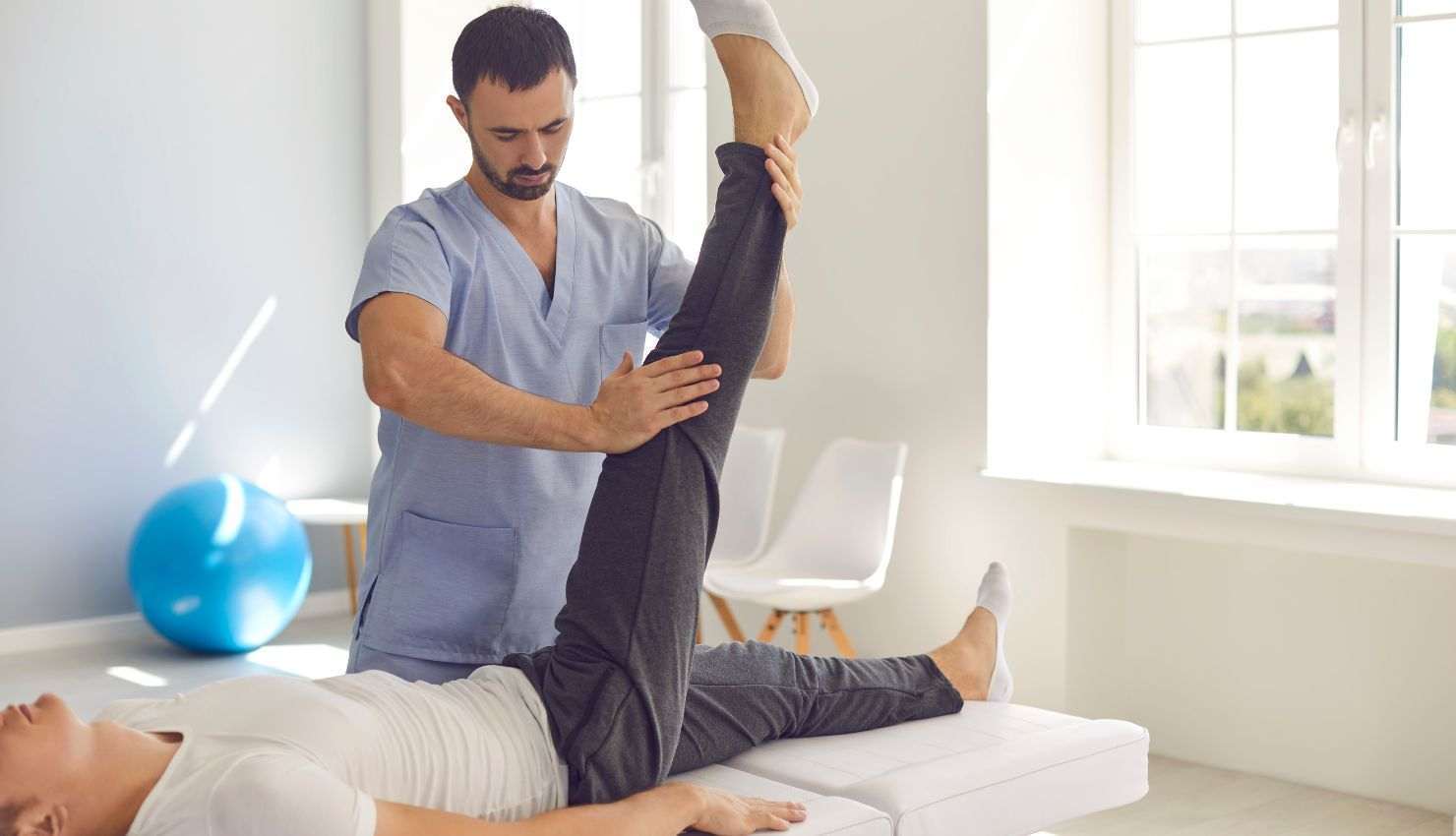
Regaining Mobility: Surgery often limits joint movement, especially after orthopedic procedures like hip or knee replacements. Physiotherapy uses gentle stretching and movement exercises to restore range of motion.
Building Strength: Muscle atrophy occurs quickly when a limb is immobilized. Targeted strength training helps seniors rebuild muscle and stabilize joints.
Improving Balance and Coordination: Falls are a major risk for seniors post-surgery. Physiotherapists incorporate balance exercises to reduce fall risk and improve overall coordination.
Managing Pain and Swelling: Techniques such as manual therapy, cold therapy, and electrical stimulation can reduce pain and inflammation.
Promoting Circulation: Specific movements and positioning can improve blood flow, reducing the risk of complications like blood clots.
How Physiotherapy Helps Seniors Bounce Back Faster
One of the most important benefits of post-surgical physiotherapy is accelerating the healing process. Research shows that early mobilization after surgery, under professional supervision, reduces hospital stays and improves long-term outcomes. For seniors, this means:
Reduced Stiffness and Joint Contractures: Physiotherapy prevents joints from becoming stiff and immobile, which can severely limit function.
Enhanced Functional Independence: Whether its walking, climbing stairs, or getting in and out of bed, physiotherapy helps seniors regain the ability to perform daily activities safely.
Lower Risk of Complications: Immobility after surgery increases risks like pneumonia, deep vein thrombosis (DVT), and muscle wasting. Physiotherapy combats these by encouraging movement and strengthening.
Improved Mental Well-being: Physical progress boosts confidence and combats depression or anxiety often linked to prolonged recovery.
Common Types of Post-Surgical Physiotherapy for Seniors
Depending on the surgery type and individual needs, seniors may experience various physiotherapy interventions such as:
Orthopedic Physiotherapy: For surgeries involving bones, joints, or muscles including hip or knee replacements, fracture repairs, or rotator cuff surgery.
Cardiopulmonary Physiotherapy: After heart or lung surgery, this therapy helps improve breathing and cardiovascular endurance.
Neurological Physiotherapy: For surgeries related to the nervous system, this focuses on restoring coordination and muscle control.
Geriatric Physiotherapy: Tailored to the older population, addressing age-related physical limitations and chronic conditions.
How Physiotherapy Enhances Overall Quality of Life
Recovery isnt just about healing the surgical site. Its about restoring a seniors ability to live comfortably and independently. Physiotherapy plays a key role in this by:
Improving mobility so seniors can return to social activities and hobbies.
Helping with posture and alignment, which reduces chronic pain and fatigue.
Teaching safe movement techniques to prevent falls and injuries.
Educating on lifestyle modifications that support long-term health.
Tips for Seniors and Caregivers During Post-Surgical Physiotherapy
To get the most from physiotherapy during post-surgical recovery, consider these tips:
Stay Consistent: Attend all scheduled therapy sessions and follow home exercise programs diligently.
Communicate: Share any pain, discomfort, or difficulties with your physiotherapist so adjustments can be made.
Be Patient: Healing takes time, especially in older adults. Progress may be gradual but steady.
Maintain a Healthy Diet: Proper nutrition supports tissue repair and energy levels.
Create a Safe Home Environment: Remove hazards and make modifications that support safe mobility.
Conclusion
Physiotherapy is an essential part of post-surgical recovery for seniors, addressing the unique challenges this age group faces. It not only helps speed healing but also restores strength, flexibility, and independence, making a significant impact on quality of life. If you or your loved one is preparing for or recovering from surgery, consulting with a physiotherapist early can set the foundation for a safer, faster, and more effective recovery.
By integrating personalized physiotherapy into the recovery plan, seniors can regain their confidence, reduce complications, and return to the activities they love with greater ease.