How Physiotherapy Supports the Muscular Demands of Dance explores targeted strategies for recovery. Discover new paths to mobility, healing, and personalized care.

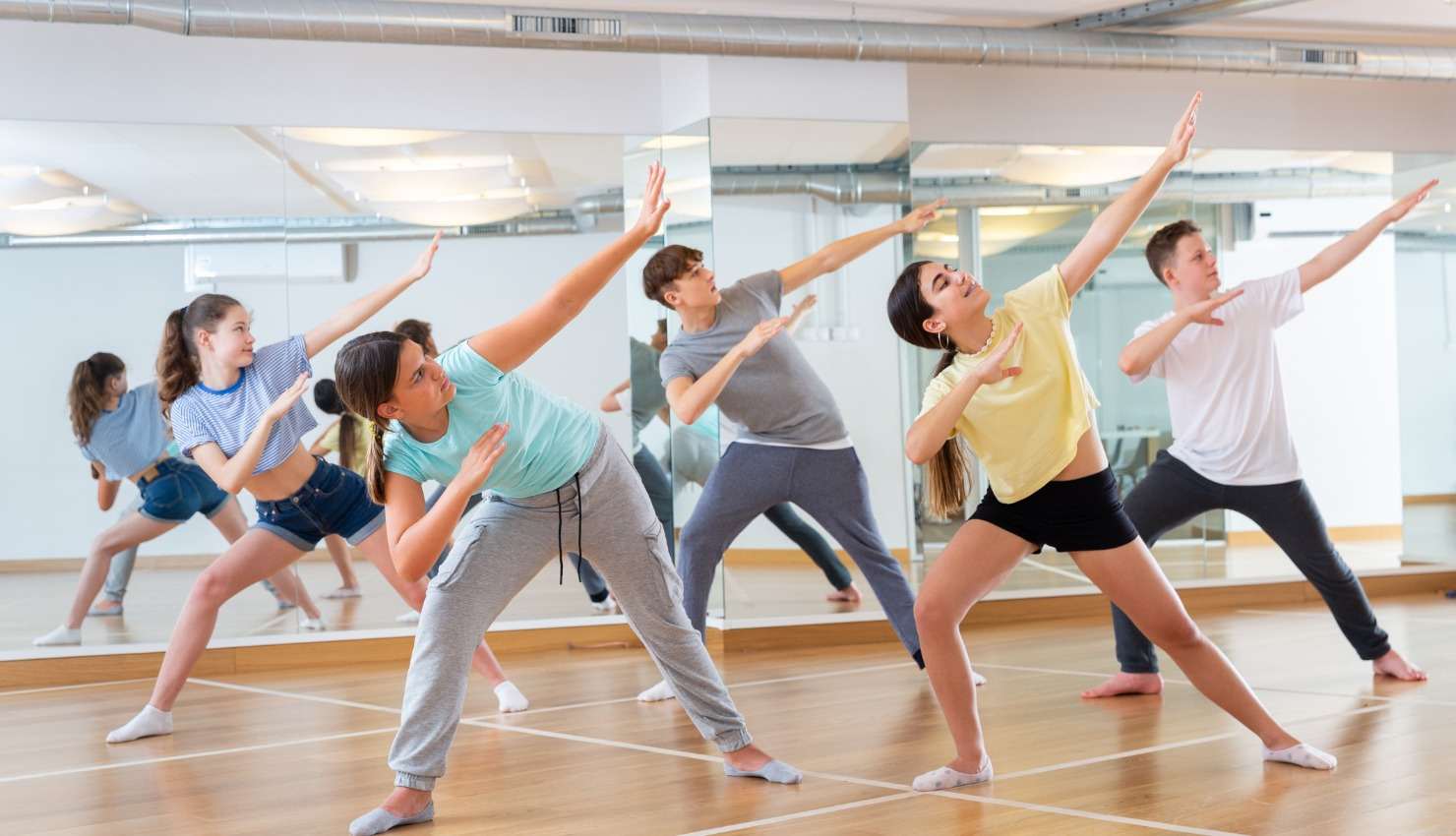
Understanding the Muscular Demands of Dance
Dance involves:
Explosive power (jumps, lifts, leaps)
Endurance (long rehearsals and performances)
Precision and control (turns, balances, extensions)
Extreme flexibility (splits, backbends)
Multiplanar movement (rotations, lateral shifts, dynamic transitions)
These physical requirements place consistent stress on muscles, especially in the core, hips, calves, back, and stabilizers of the feet and ankles. Without proper muscular care, dancers risk fatigue, imbalances, and injury.
?? How Physiotherapy Supports Muscular Performance in Dancers
1. Strengthens Essential Muscle Groups
Physiotherapists guide dancers through targeted conditioning programs to:
Activate deep stabilizers (core, glutes, rotator cuff)
Build strength in key movers (quads, hamstrings, calves, hip flexors)
Improve concentric and eccentric control for explosive and decelerated movements
?? Stronger muscles = better support for technical demands and joint protection.
2. Identifies and Corrects Muscle Imbalances
Repetitive movement patterns in dance can lead to muscular asymmetries:
Overactive hip flexors from high kicks
Underactive glutes affecting turnout and arabesques
Imbalanced ankles causing instability in pointe work
Physiotherapists assess alignment, flexibility, and functional movement to:
Detect which muscles are weak or overused
Prescribe corrective exercises to restore balance
Prevent compensatory movements that lead to injury
?? Balance between muscle groups ensures safer, smoother movement.
3. Builds Muscular Endurance
Dancers often experience fatigue during long routines or rehearsals. Physiotherapy helps by:
Developing endurance training tailored to dance-specific tasks
Integrating low-load, high-rep exercises that mimic performance patterns
Teaching recovery strategies to preserve muscular energy
?? Endurance training supports consistent performance from warm-up to final bow.
4. Improves Muscle Activation and Control
Good technique depends not just on strong muscles, but on how and when they activate. Physiotherapy focuses on:
Proprioception and neuromuscular coordination
Timing muscle engagement during complex sequences
Control during transitions, holds, and landings
?? Better control reduces injury risk and sharpens technique.
5. Facilitates Muscle Recovery
To manage fatigue and reduce injury risk, physiotherapists:
Provide manual therapy (massage, myofascial release)
Guide post-rehearsal cool-downs and stretching routines
Monitor load management to avoid overtraining
Use tools like electrotherapy or cryotherapy to relieve muscle soreness
?? Faster recovery = consistent training with less downtime.
6. Supports Flexibility with Stability
While dancers are highly flexible, too much passive flexibility without muscle support can lead to:
Joint instability
Muscle strains
Poor control
Physiotherapists focus on active flexibilityteaching muscles to move safely through range with strength and control.
?? Flexible, strong muscles support expressive, safe movement.
?? Real-Life Physiotherapy Goals for Dancers
Goal Physiotherapy Focus
Improve jump height Calf, glute, and core power training
Increase turnout safely Deep hip rotator activation and TFL release
Prevent hamstring strains Eccentric strength and proper warm-up routines
Manage shin splints Calf conditioning, impact management, technique review
Recover faster post-performance Soft tissue work, stretching, guided cooldowns