How Physiotherapy Supports Your Hormonal Wellness Through Menstrual Phases explores targeted strategies for recovery. Discover new paths to mobility, healing, and personalized care.

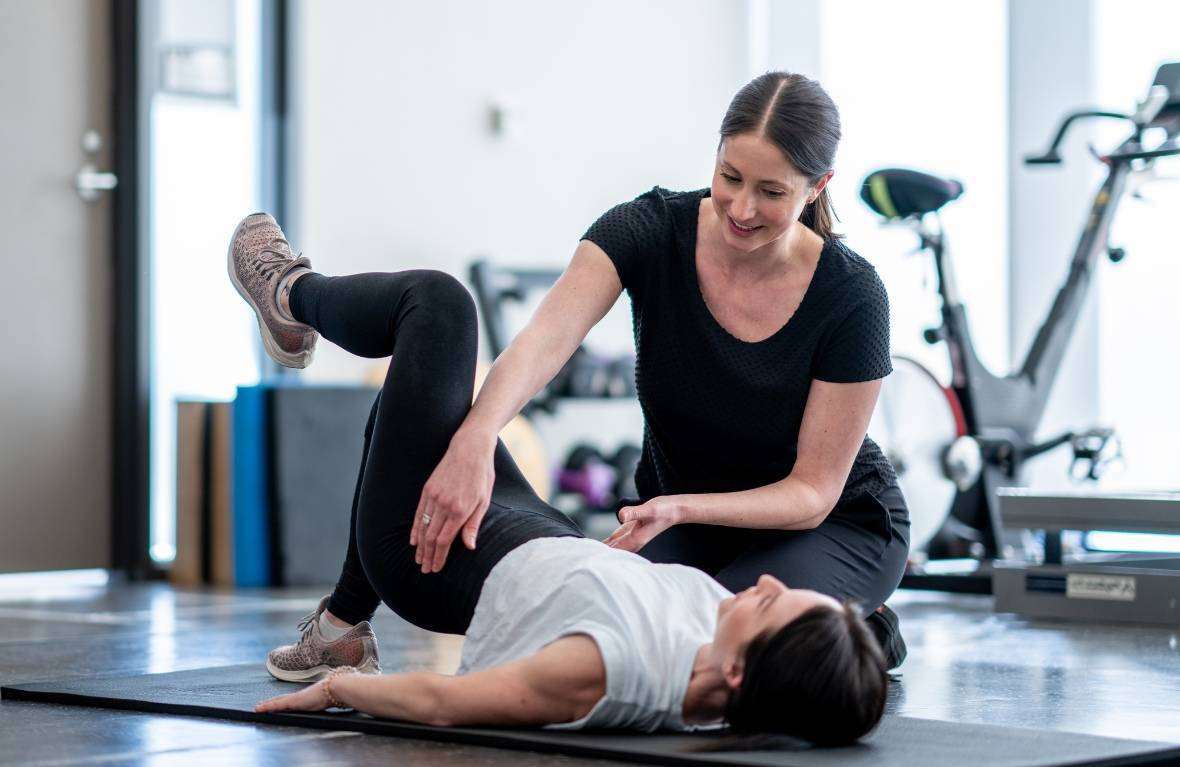
Navigating the ups and downs of the menstrual cycle can feel overwhelming, especially when hormonal fluctuations bring mood swings, cramps, fatigue, or discomfort. The good news? Physiotherapy offers targeted support that works in harmony with your menstrual phases to ease symptoms and promote hormonal wellness.
The Four Phases of the Menstrual Cycle and Hormonal Changes
Your menstrual cycle is divided into four phases, each marked by different hormone levels and physical changes:
Menstrual Phase: Shedding of the uterine lining, lower estrogen and progesterone.
Follicular Phase: Rising estrogen, preparing for ovulation.
Ovulation: Peak estrogen and luteinizing hormone.
Luteal Phase: Increased progesterone, preparing for possible pregnancy.
Each phase impacts energy, mood, muscle tone, and pain sensitivity differently.
How Physiotherapy Supports Each Phase
Physiotherapy tailors treatments to your menstrual cycle, optimizing comfort and hormonal balance.
1. Menstrual Phase: Focus on Restorative Care
During menstruation, gentle techniques like pelvic floor relaxation, myofascial release, and light stretching help reduce cramps and muscle tension. Breathing exercises and relaxation methods calm the nervous system, easing pain and improving mood.
2. Follicular Phase: Strength and Mobility
As energy returns, physiotherapy emphasizes strengthening exercises and mobility work to build muscle and improve circulation, supporting the rise in estrogen and preparing the body for ovulation.
3. Ovulation: Peak Performance and Support
With peak energy levels, this phase is ideal for moderate to intense exercise guided by physiotherapy to prevent injury and enhance performance. Manual therapy helps maintain muscle flexibility and reduce tension.
4. Luteal Phase: Recovery and Relaxation
As progesterone rises, physiotherapy focuses on restorative movements, pelvic floor balance, and stress reduction techniques to manage PMS symptoms like bloating and mood swings.
Why Cycle-Specific Physiotherapy Matters
Aligning physiotherapy with your cycle respects your bodys natural rhythms, allowing for more effective symptom management and hormonal balance. It prevents overtraining during vulnerable phases and encourages activity when energy is highest.
Long-Term Benefits
Regular cycle-aware physiotherapy can lead to:
Reduced menstrual pain and PMS severity
Improved mood stability
Enhanced energy and physical performance
Balanced hormonal function
Get Personalized Care at Your Forms UX (YFS) Canada
If you want to harmonize your health with your menstrual cycle, physiotherapy at YFS offers expert guidance tailored to your hormonal phases. Youll gain tools to manage symptoms naturally and promote long-term wellness.