How Post-Surgical Rehab Helps Improve Balance and Prevent Falls explores targeted strategies for recovery. Discover new paths to mobility, healing, and personalized care.

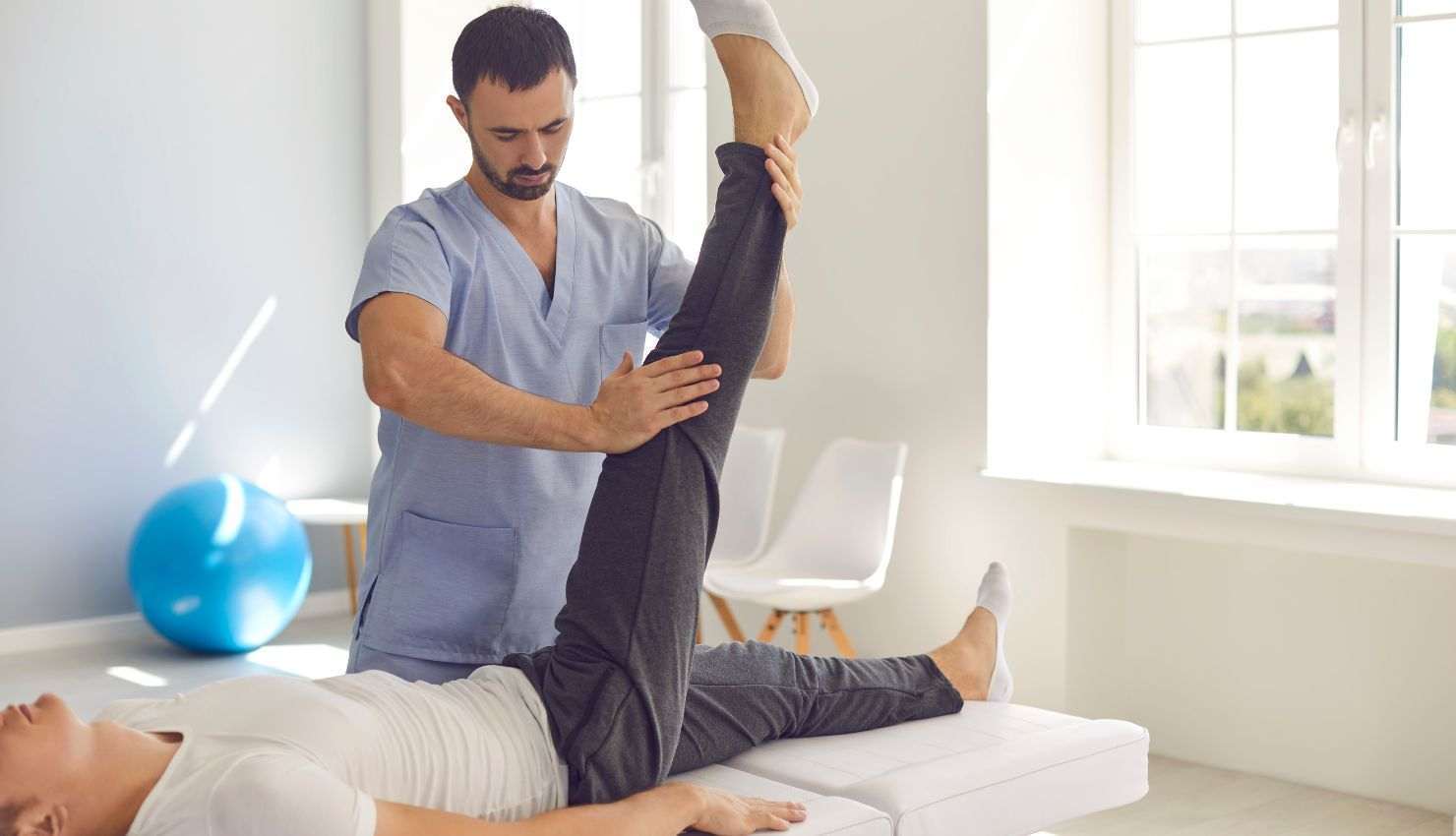
Recovering from surgery can affect more than just the surgical site it can impact your overall balance and stability, putting you at risk of falls. Falls during recovery arent just minor setbacks; they can lead to serious injuries, delayed healing, or even additional surgeries. Thats why post-surgical rehabilitation includes a strong focus on improving balance and preventing falls, keeping you safe as you regain strength and mobility.
Why Surgery Can Affect Your Balance
Several factors contribute to balance problems after surgery. Pain, muscle weakness, joint stiffness, and changes in sensation or coordination can all make it harder to maintain stability. Additionally, medications like painkillers can cause dizziness or drowsiness, increasing fall risk.
Surgical procedures that affect weight-bearing joints like hips, knees, or ankles or involve the spine are particularly likely to disrupt balance. Even surgeries unrelated to the musculoskeletal system can indirectly affect your stability due to overall weakness and reduced activity levels.
The Role of Post-Surgical Rehab in Balance Improvement
Post-surgical rehab is designed to address these challenges head-on. Physiotherapists assess your balance, gait, and muscle strength to develop a personalized plan that targets the root causes of instability.
Key Components of Balance and Fall Prevention Rehab
Strength Training: Strong muscles provide the foundation for good balance. Rehab exercises focus on strengthening lower limb muscles, core muscles, and those around the affected surgical site.
Balance and Proprioception Exercises: These exercises train your bodys ability to sense joint position and movement, improving your reaction times and coordination.
Gait Training: Improving your walking pattern corrects imbalances and reduces limping or compensatory movements that can increase fall risk.
Functional Mobility Practice: Therapists help you safely practice everyday movements such as standing up from a chair, climbing stairs, and turning, which are common moments when falls occur.
Use of Assistive Devices: If necessary, therapists recommend and train you in the safe use of walkers, canes, or crutches to enhance stability during recovery.
Environmental Modifications: Educating you about home safetyremoving tripping hazards, improving lighting, and installing grab barscomplements physical rehab efforts.
Personalized Rehab for Maximum Safety
Your rehab plan is tailored to your specific surgery, physical condition, and lifestyle. For example, someone recovering from hip replacement may have different balance challenges than someone healing from spinal surgery. A personalized approach ensures your rehab targets your unique needs.
Importance of Early Balance Training
Beginning balance exercises early in your recovery helps prevent long-term instability. Even simple seated balance activities can activate stabilizing muscles and promote neural pathways critical for coordination.
Psychological Impact and Confidence Building
Fear of falling is common after surgery and can limit your willingness to move freely. Physiotherapy not only improves physical stability but also boosts confidence by gradually exposing you to safe, controlled challenges in balance.
Tips for Reducing Fall Risk During Recovery
Use assistive devices as instructed.
Avoid rushing or making sudden movements.
Keep pathways clear of obstacles.
Wear well-fitting, supportive footwear.
Communicate any dizziness or instability to your healthcare team immediately.
When to Seek Medical Advice
If you experience frequent dizziness, fainting, sudden weakness, or repeated falls, contact your healthcare provider promptly. These symptoms could indicate underlying issues needing medical attention.
Conclusion
Post-surgical rehabilitation focused on improving balance is essential to prevent falls and ensure a safe recovery. By combining strength training, balance exercises, gait training, and home safety education, physiotherapy empowers you to regain independence confidently. Staying consistent with your rehab program is key to reducing fall risk and enhancing your quality of life after surgery.