How Post-Surgical Rehab Helps Improve Function and Prevent Future Injuries explores targeted strategies for recovery. Discover new paths to mobility, healing, and personalized care.

Recovering from surgery is often a challenging journey, but post-surgical rehabilitation can make a significant difference in how well you regain function and protect yourself from future injuries. Whether youve undergone orthopedic surgery, soft tissue repair, or any other procedure, the right rehab program tailored to your needs can speed up your recovery, restore your strength and mobility, and even help prevent complications down the road. In this blog, well dive deep into the crucial role of post-surgical rehab, why it matters, and how it can transform your healing process.
Why Post-Surgical Rehab Is Essential
After surgery, your body undergoes a period of healing that involves tissue repair, reduced activity, and sometimes, muscle weakness or stiffness. Without proper rehab, patients often struggle with limited movement, chronic pain, and sometimes even develop secondary injuries due to compensating for weak areas.
Post-surgical rehab isnt just about getting better its about improving overall function. Physical therapy and rehabilitation programs focus on restoring strength, flexibility, and balance. These improvements help patients regain normal daily activities and reduce the risk of re-injury.
How Post-Surgical Rehab Improves Function
Restoring Strength and Muscle Control
Surgery can weaken muscles around the affected area due to immobilization or trauma. Rehab exercises target these muscles, helping rebuild strength gradually. This muscle recovery is vital for supporting joints and improving overall stability.
Enhancing Joint Mobility and Flexibility
Joint stiffness is common after surgery. Post-surgical rehab includes stretching and range-of-motion exercises that gently increase joint flexibility, reducing pain and improving functional movement.
Improving Balance and Coordination
After surgery, your bodys coordination can be affected, especially if the surgery involved weight-bearing joints like hips or knees. Rehab includes balance training that helps restore neuromuscular control, preventing falls and future injuries.
Re-Training Movement Patterns
Surgery can alter the way you move sometimes subconsciously. Physical therapists focus on correcting these compensatory movement patterns to ensure you dont place excess stress on other parts of the body, which could lead to new injuries.
Preventing Future Injuries Through Rehab
One of the most powerful benefits of post-surgical rehab is its role in injury prevention. After an operation, the tissues and muscles are vulnerable, and improper movement or overuse can cause setbacks. Rehab helps you:
Strengthen Supporting Muscles: By targeting weak or imbalanced muscles, rehab stabilizes joints and decreases the chance of sprains or strains.
Educate on Safe Movement: Therapists teach patients how to move properly during daily activities and exercise, minimizing the risk of re-injury.
Build Endurance: Gradual endurance training helps your body tolerate longer activity periods without fatigue, which often leads to injury.
Improve Proprioception: This is your bodys sense of position and movement in space. Better proprioception helps you react quicker and maintain balance, especially important after surgeries involving limbs or joints.
Personalized Rehab: The Key to Success
Every surgery and patient is unique, so post-surgical rehab programs are personalized to your specific surgery type, age, fitness level, and recovery goals. For example, someone recovering from a knee replacement will have different rehab priorities than a person healing from shoulder surgery.
In Canada, rehab specialists emphasize evidence-based protocols and continuous assessment to adjust the program as your recovery progresses. This approach ensures you are challenged enough to improve but never pushed too hard, which could cause setbacks.
Common Post-Surgical Rehab Techniques
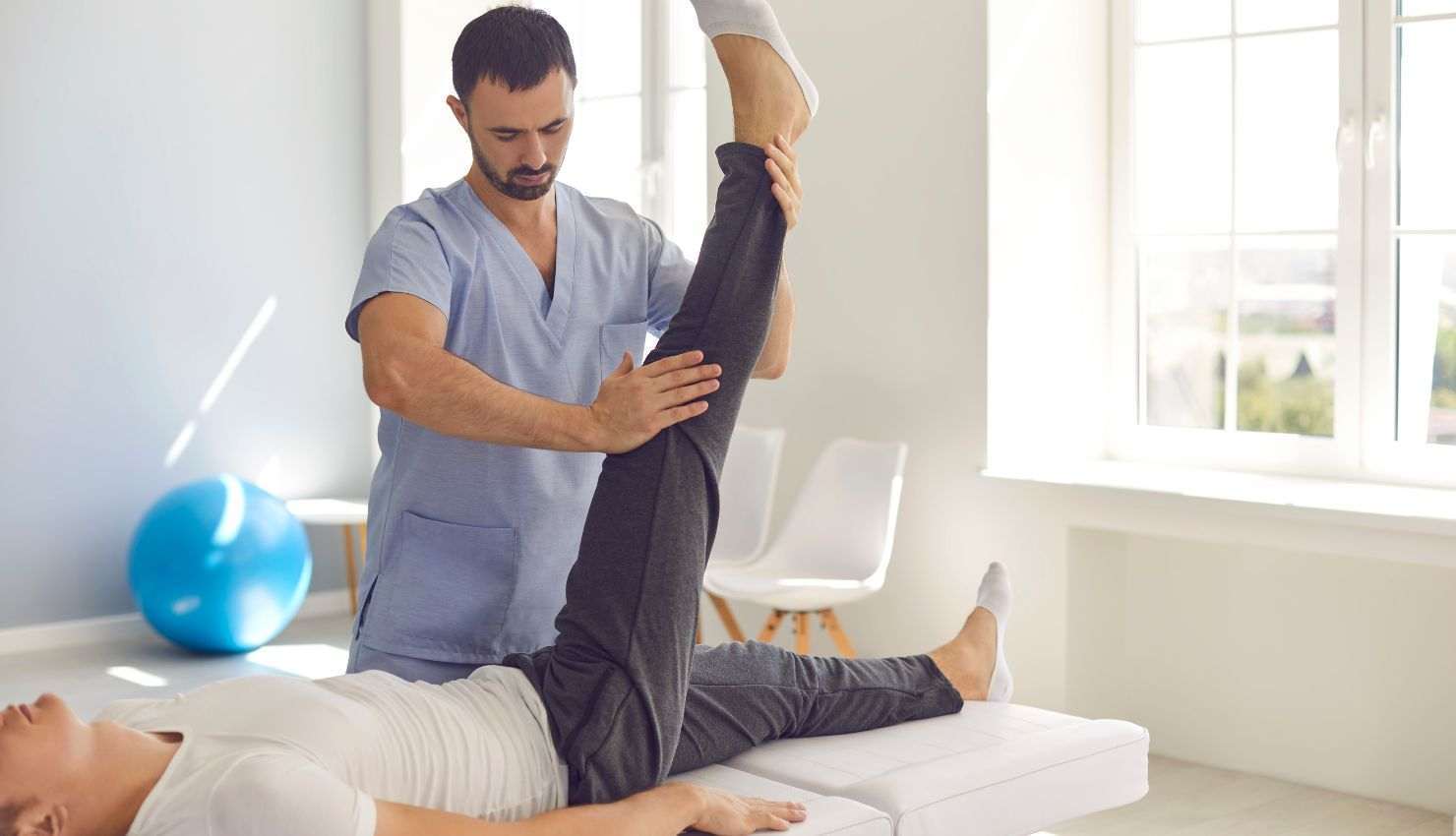
Manual Therapy: Hands-on techniques to reduce pain, improve circulation, and increase joint mobility.
Therapeutic Exercises: Strengthening, stretching, and functional exercises tailored to your healing stage.
Modalities: Use of ultrasound, electrical stimulation, or heat therapy to assist healing and manage pain.
Education and Lifestyle Advice: Guidance on ergonomics, posture, and activities to support long-term recovery.
When to Start Post-Surgical Rehab?
Timing can vary depending on the surgery and surgeon recommendations. Early rehab often starts within days or weeks after surgery, focusing on gentle movements to prevent stiffness. As healing progresses, rehab intensifies to regain full function.
Starting rehab promptly can significantly reduce hospital stays, speed up return to work, and improve overall outcomes. Thats why its crucial to have a clear rehab plan from your healthcare team.
Final Thoughts: A Vital Step for Recovery and Beyond
Post-surgical rehabilitation is not just a follow-up step after surgery its a vital part of your recovery that actively improves your function and guards against future injuries. With the right program, expert guidance, and your commitment, rehab can help you return to your best self stronger and more resilient than before.
If you or someone you know is preparing for or recovering from surgery, exploring tailored post-surgical rehab options is an essential investment in long-term health and quality of life.