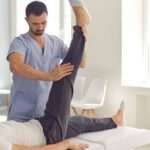
How Post-Surgical Rehab Reduces the Risk of Re-Injury explores targeted strategies for recovery. Discover new paths to mobility, healing, and personalized care.


Surgery can be a powerful solution for correcting injuries, alleviating pain, and restoring function. But the journey doesnt end when the operation is over. One of the biggest concerns during recovery is the risk of re-injury damaging the same area again before it has fully healed, or compensating in ways that strain other parts of the body. This is where post-surgical rehabilitation, especially physiotherapy, becomes absolutely essential.
In this blog, well explore how post-surgical rehab actively reduces the risk of re-injury, helping you heal safely and get back to your daily life with confidence.
Understanding the Risk of Re-Injury After Surgery
After surgery, your body is vulnerable. The operated tissueswhether muscles, ligaments, tendons, or bonesneed time to heal and regain strength. During this period, common risks include:
Overloading the healing tissue too soon
Poor movement patterns due to pain or weakness
Muscle imbalances that place excess strain on joints
Joint instability or stiffness
Inadequate proprioception (body awareness)
These factors can lead to setbacks, prolonged pain, or even require additional surgery if not properly addressed.
How Post-Surgical Rehab Protects Against Re-Injury
1. Controlled and Progressive Loading
Physiotherapists design rehab programs that introduce stress to healing tissues gradually and safely. This progressive loading:
Stimulates tissue remodeling and strength without overstraining
Prevents weakening caused by complete immobilization
Builds resilience in muscles, tendons, and ligaments
By carefully increasing intensity and complexity, rehab ensures the tissue adapts to demands without risk of damage.
2. Restoring Proper Movement Patterns
After surgery, pain and guarding behaviors often cause patients to move abnormally. These compensations can overload other joints or muscles, raising re-injury risk. Physiotherapy focuses on:
Correcting faulty biomechanics
Teaching proper posture and joint alignment
Re-educating muscles for coordinated, efficient movement
Regaining natural movement reduces undue stress on healing tissues and neighboring areas.
3. Strengthening Surrounding Muscles
Muscle weakness is a common post-surgical issue that jeopardizes joint stability and function. Strengthening rehab exercises:
Rebuild muscle mass and endurance
Support joints to prevent excessive movement or strain
Balance strength between opposing muscle groups
Strong, balanced muscles protect the joint and reduce chances of further injury.
4. Improving Proprioception and Balance
Body awareness, or proprioception, is often impaired after surgery due to nerve trauma, swelling, or inactivity. Physiotherapy includes balance and coordination exercises that:
Enhance joint position sense
Improve reflexes that protect joints during unexpected movements
Reduce the risk of falls or awkward motions that could cause injury
Enhanced proprioception is key to long-term joint health.
5. Educating Patients on Safe Activity Progression
One of the most important components of rehab is patient education. Physiotherapists teach:
How to listen to your body and respect pain signals
Safe ways to return to work, sports, or daily tasks
Techniques to avoid risky movements or overuse
Informed patients are empowered to avoid behaviors that might compromise healing.
Examples of Post-Surgical Rehab That Reduce Re-Injury Risk
Knee Replacement: Gradual strengthening of quadriceps and hamstrings, gait training, and balance work ensure joint stability and correct walking mechanics.
Rotator Cuff Repair: Controlled shoulder mobility exercises prevent stiffness while strengthening surrounding muscles to protect the repair.
Spinal Surgery: Core strengthening and posture retraining provide spinal support and prevent abnormal loading.
Tendon Repairs: Progressive loading exercises encourage tendon healing and restore tensile strength safely.
Each rehab program is tailored to the surgery and patients unique needs.
The Role of Consistency and Professional Guidance
Sticking with your rehab plan and working with a skilled physiotherapist is crucial. Attempting to rush recovery or skipping rehab sessions increases the risk of mistakes and re-injury. A professional will:
Monitor your progress
Adjust exercises based on healing stages
Provide reassurance and motivation
This partnership ensures recovery stays on track and complications are minimized.
How Your Forms UX (YFS) Helps Healthcare Teams Support Safer Rehab
For clinics managing post-surgical rehab, efficient documentation and communication improve patient safety. Your Forms UX offers:
Easy-to-use digital forms for tracking rehab milestones
Tools for monitoring adherence and complications
Seamless sharing between surgeons, physiotherapists, and patients
YFS helps healthcare providers collaborate effectively to reduce re-injury risks.
Final Thoughts
Re-injury after surgery is a serious concern, but with the right post-surgical rehabilitation, it is largely preventable. Through gradual loading, movement retraining, muscle strengthening, and education, physiotherapy protects your healing tissues and sets you up for a strong, lasting recovery.
If you or a loved one is recovering from surgery, partnering with an experienced physiotherapist and following a structured rehab plan is your best defense against re-injury.