Postural correction plays a crucial role in managing and alleviating various types of pain, especially chronic pain associated with the spine, joints, muscles, and ligaments. When our posture is poor, it can put unnecessary stress on certain parts of the body, leading to discomfort, aches, and even long-term pain.

Postural correction plays a crucial role in managing and alleviating various types of pain, especially chronic pain associated with the spine, joints, muscles, and ligaments. When our posture is poor, it can put unnecessary stress on certain parts of the body, leading to discomfort, aches, and even long-term pain. By improving posture, we can help prevent and manage these pain issues. Here’s how:
1. Reduces Pressure on the Spine
Poor posture, like slouching or hunching over, can lead to an uneven distribution of weight on the spine. This can result in back pain, especially in the lower back. When you maintain a neutral spine position, the weight is evenly distributed, which can prevent pain from building up in the spinal discs and vertebrae.
2. Relieves Muscle Tension
Muscles that are overstretched or overly contracted due to bad posture can lead to muscle pain. For example, rounding your shoulders forward or looking down for prolonged periods can cause neck, shoulder, and upper back pain. By practicing postural correction, these muscles are less likely to be held in strained positions, leading to reduced muscle tension and pain.
3. Prevents Joint Wear and Tear
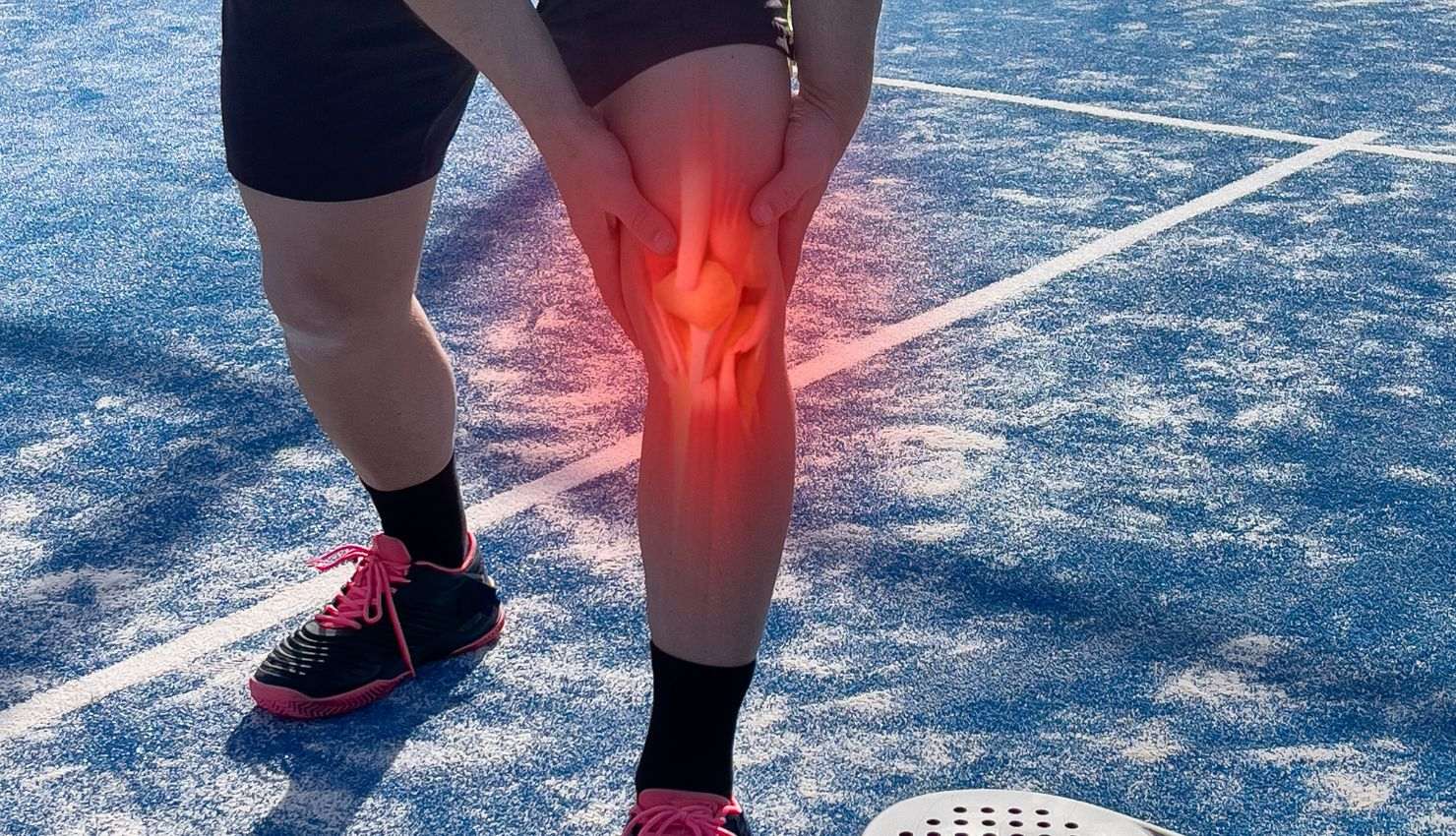
When you adopt an improper posture, certain joints, especially in the spine, hips, and knees, can experience extra strain. Over time, this can lead to the wear and tear of cartilage, resulting in conditions like osteoarthritis. Correct posture ensures that joints move within their optimal range of motion, reducing the risk of degeneration and pain.
4. Improves Breathing and Circulation
Good posture opens up the chest and allows the lungs to expand fully, promoting better oxygen intake. This helps to reduce fatigue and muscle pain. Additionally, when you stand or sit with proper posture, blood circulation improves, reducing swelling and discomfort caused by poor blood flow.
5. Reduces Headaches
Tension headaches are often caused by muscle strain in the neck and shoulders due to poor posture. By correcting posture, especially in the upper body, you can reduce muscle tightness in the neck and shoulders, alleviating the trigger points that often lead to headaches.
6. Supports Better Alignment
A well-aligned body reduces the likelihood of compensatory movements that could lead to pain. When your body is aligned properly, the bones, muscles, and joints work together more efficiently, helping to prevent strain and discomfort that often results from misalignment.
7. Helps in Managing Chronic Pain
For those suffering from chronic conditions like fibromyalgia or sciatica, postural correction can be an essential part of the pain management process. Even simple adjustments like adjusting how you sit, stand, or walk can make a noticeable difference in reducing discomfort and preventing flare-ups.
8. Enhances Muscle Strength
Correcting posture can also help activate muscles that are often underused. For example, many people suffer from weak core muscles due to slouching, which can contribute to lower back pain. By working on improving posture, core strength can be improved, helping to provide better support for the spine and reducing pain.
9. Psychological Benefits
Posture isn’t just about physical health; it also impacts mental well-being. Standing tall and maintaining good posture can boost self-confidence and reduce stress, which, in turn, helps reduce the perception of pain. A positive mental attitude can be a key factor in managing and coping with pain more effectively.
How to Correct Your Posture:
Sit with your back straight: Your feet should be flat on the ground, and your knees should be at a right angle.
Stand tall: Align your ears, shoulders, and hips in a straight line. Avoid slouching or leaning forward.
Strengthen your core: Engaging in exercises that target your core muscles can support better posture.
Take breaks: Avoid sitting or standing in one position for too long. Take short breaks to stretch and adjust your posture throughout the day.
By being mindful of your posture, you can significantly improve your overall well-being and reduce the chances of experiencing pain, both in the short and long term. It’s not just about standing up straight; it’s about creating a body that functions efficiently, comfortably, and pain-free.