How Regular Movement Reduces Stress and Elevates Mental Well-Being brings new meaning to proactive care. Tap into fresh strategies that promote movement and strength.

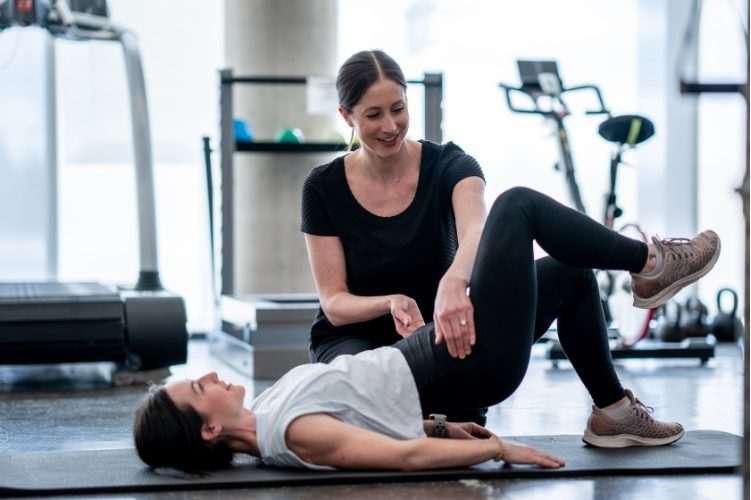
Stress has become a common part of everyday life, affecting everything from sleep to concentration and emotional balance. For many Canadians, chronic stress manifests not only in the mind but in the bodytight muscles, fatigue, and poor posture are just some of the physical symptoms. Fortunately, one of the most powerful remedies is simple and accessible: regular movement. Whether its walking, stretching, or guided physiotherapy, consistent movement plays a vital role in lowering stress and supporting long-term mental well-being.
The Science of Stress and the Nervous System
When you encounter stress, your body activates the sympathetic nervous system, triggering the fight or flight response. This causes a surge in stress hormones like cortisol and adrenaline. While helpful in short bursts, chronic activation of this system can lead to mental exhaustion, anxiety, and burnout.
Movement, especially when practiced regularly, helps regulate this response. It stimulates the parasympathetic nervous systemthe rest and digest modewhich brings the body back into balance. The more frequently you move, the more resilient your nervous system becomes in handling everyday stressors.
Why Movement Is a Natural Stress Reliever
Movement increases endorphins, often referred to as the bodys natural mood boosters. These chemicals help reduce pain and enhance pleasure, creating a sense of calm and contentment. Additionally, regular physical activity improves blood circulation and oxygen delivery to the brain, enhancing cognitive function, focus, and mental clarity.
Beyond the biological benefits, movement acts as a mental reset. Whether youre walking outdoors or engaging in physiotherapy, physical activity allows you to take a break from mental rumination and gain perspective. It offers structure, rhythm, and controlall of which are valuable when your mind feels overwhelmed.
The Role of Physiotherapy in Stress Reduction
Physiotherapy takes movement to the next level by providing structured, purposeful sessions tailored to your physical and mental health goals. At YourFormSux (YFS), our approach focuses on gentle, effective techniques such as mobility training, posture alignment, breathing coordination, and functional movement.
When individuals carry chronic stress, it often shows up as tight shoulders, lower back pain, or restricted movement. Physiotherapists assess these patterns and use manual therapy and guided exercises to release tension. As muscles relax, the mind follows. Clients report feeling lighter, calmer, and more centered after sessions.
Movement as a Mindfulness Practice
One of the most overlooked aspects of movement is its ability to ground you in the present moment. Simple exercises like shoulder rolls, deep squats, or spinal rotations can become forms of mindfulness when done with intention. They help shift awareness from the chaos of the external world to the sensations within the body.
This present-moment focus is incredibly effective in reducing anxiety. Physiotherapy-led movement encourages deep breathing, concentration, and body awarenesscore components of mental grounding that create space from stress-inducing thoughts.
Building a Habit of Regular Movement
Consistency is more impactful than intensity. You dont need to engage in strenuous workouts to benefit mentally. Even a 15-minute daily stretching routine or physiotherapy session can make a meaningful difference in your mood and stress levels.
Creating a movement routine doesnt have to be complicated:
Begin with morning mobility exercises to set a positive tone.
Take walking breaks during the day to reduce mental fatigue.
End with physiotherapy-guided relaxation techniques to promote sleep.
Over time, this rhythm of regular movement becomes a reliable wellness tool you can access at any moment of mental strain.
Long-Term Mental Wellness Through Movement
Regular movement not only offers immediate stress reliefit also strengthens your overall mental well-being. People who move consistently often report better mood regulation, increased energy, improved sleep, and stronger emotional resilience. When movement becomes a lifestyle, mental health gains become sustainable.
For those facing mental health challenges such as anxiety, depression, or burnout, movement serves as both prevention and recovery. It empowers individuals to take an active role in their wellness journey, supported by the expertise of trained physiotherapists.
A Canadian Approach to Wellness
At YourFormSux, we understand that mental well-being is inseparable from physical health. Our physiotherapy programs are designed to make movement accessible, therapeutic, and impactful for every individual. We dont just help you movewe help you move through stress, anxiety, and emotional challenges with strength and confidence.
If youre feeling overwhelmed or mentally drained, try moving. Not for performance or appearancebut for peace, clarity, and self-care. Because regular movement isnt just an actionits a commitment to your mental wellness.