How Sports-Specific Physiotherapy Improves Posture and Alignment for Athletes explores targeted strategies for recovery. Discover new paths to mobility, healing, and personalized care.

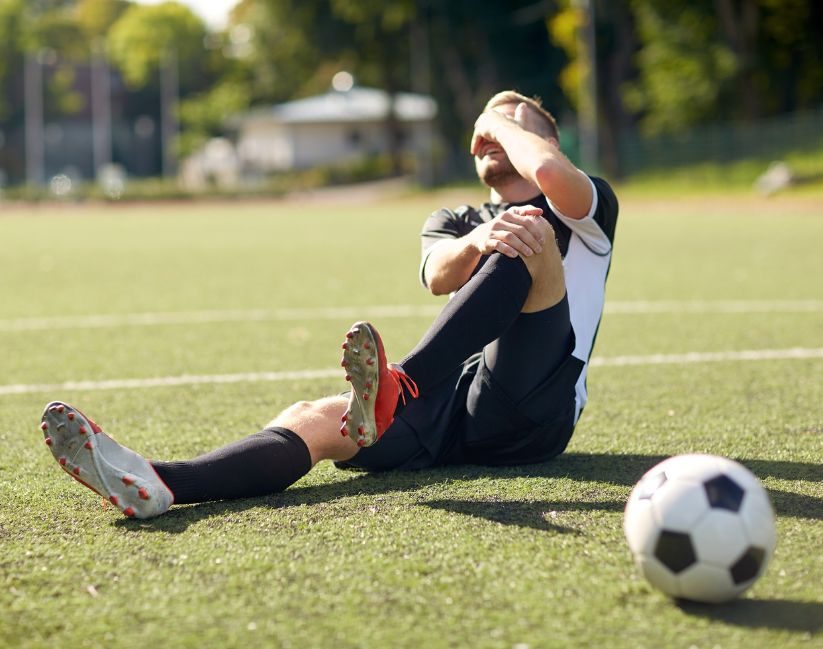
In the world of sports, optimal posture and alignment are fundamental to achieving peak performance and preventing injuries. Athletes rely on their bodies to move efficiently and powerfully, but subtle imbalances or misalignments can compromise biomechanics, reduce effectiveness, and increase the risk of injury. Sports-specific physiotherapy plays a crucial role in identifying and correcting these issues through tailored interventions that enhance posture and alignment specific to the demands of the athletes sport.
Why Posture and Alignment Matter for Athletes
Posture refers to the way the body holds itself upright against gravity, while alignment involves the proper positioning of bones, joints, and muscles relative to each other. Good posture and alignment ensure that forces generated during athletic movements are distributed evenly across the musculoskeletal system. This balance:
Improves movement efficiency and power
Reduces undue stress on joints and soft tissues
Enhances balance and coordination
Prevents overuse injuries and joint degeneration
Conversely, poor posture and misalignment can cause compensatory movement patterns, muscle imbalances, and increased injury risk, such as strains, tendinopathies, and joint pain.
Common Postural and Alignment Issues in Athletes
Forward Head and Rounded Shoulders: Often caused by prolonged training positions or poor technique, leading to neck and upper back strain.
Anterior Pelvic Tilt: Excessive forward tilt of the pelvis affects lumbar spine curvature and hip function, common in runners and cyclists.
Uneven Pelvic or Shoulder Height: Can cause asymmetrical loading and increase injury risk on one side.
Knee Valgus (Inward Collapse): Poor hip control leading to excessive knee valgus during landing or squatting, linked to ACL injuries.
Flat Feet or Overpronation: Affects lower limb alignment and force absorption.
How Sports-Specific Physiotherapy Addresses Posture and Alignment
1. Comprehensive Assessment
Physiotherapists perform detailed posture and movement assessments using tools like video gait analysis, static and dynamic postural screening, and muscle length and strength testing. This helps pinpoint imbalances and faulty mechanics contributing to alignment issues.
2. Muscle Imbalance Correction
Targeted exercises strengthen weak muscles and stretch tight ones to restore muscular balance. For example, strengthening gluteus medius and stretching hip flexors for anterior pelvic tilt.
3. Neuromuscular Re-education
Therapy incorporates exercises that retrain the nervous system to activate muscles in proper sequences, enhancing motor control and movement patterns.
4. Joint Mobilization and Manual Therapy
Techniques to improve joint mobility can correct positional faults and relieve stiffness that contributes to poor alignment.
5. Functional Movement Training
Incorporating sport-specific drills that emphasize proper posture and alignment during relevant movements ensures transfer of improvements to real athletic performance.
6. Core Stability Enhancement
A strong, stable core is fundamental to maintaining good posture under dynamic conditions. Physiotherapy emphasizes core activation and endurance exercises.
Benefits of Improved Posture and Alignment Through Therapy
Enhanced Performance: Efficient biomechanics translate to improved speed, power, and endurance.
Injury Reduction: Balanced forces decrease overload on joints and soft tissues.
Pain Relief: Correcting alignment often alleviates chronic aches related to poor posture.
Longevity: Athletes maintain health and function longer with proper body mechanics.
Sport-Specific Examples
Runners benefit from alignment work that prevents overpronation and knee valgus.
Swimmers improve shoulder posture to reduce impingement risk.
Football players enhance hip and core stability for better tackling and agility.
Cyclists correct pelvic tilt to optimize power output and prevent back pain.
Why Canadian Athletes Should Seek Sports-Specific Physiotherapy
Canadas athletes face varied environmental and sport-specific demands. Access to physiotherapists skilled in posture and alignment correction tailored to specific sports ensures optimal outcomes across disciplines.
Conclusion
Good posture and alignment are foundational to athletic success and injury prevention. Sports-specific physiotherapy offers precise, individualized strategies to assess, correct, and maintain optimal body mechanics tailored to each athletes sport and needs. Investing in this targeted care helps athletes move better, perform stronger, and stay healthier throughout their careers.
If you want to unlock your full athletic potential and reduce injury risk, consulting a sports-specific physiotherapist for posture and alignment optimization is a smart step forward.