How Sports-Specific Therapy Helps Basketball Players with Knee Injuries explores targeted strategies for recovery. Discover new paths to mobility, healing, and personalized care.

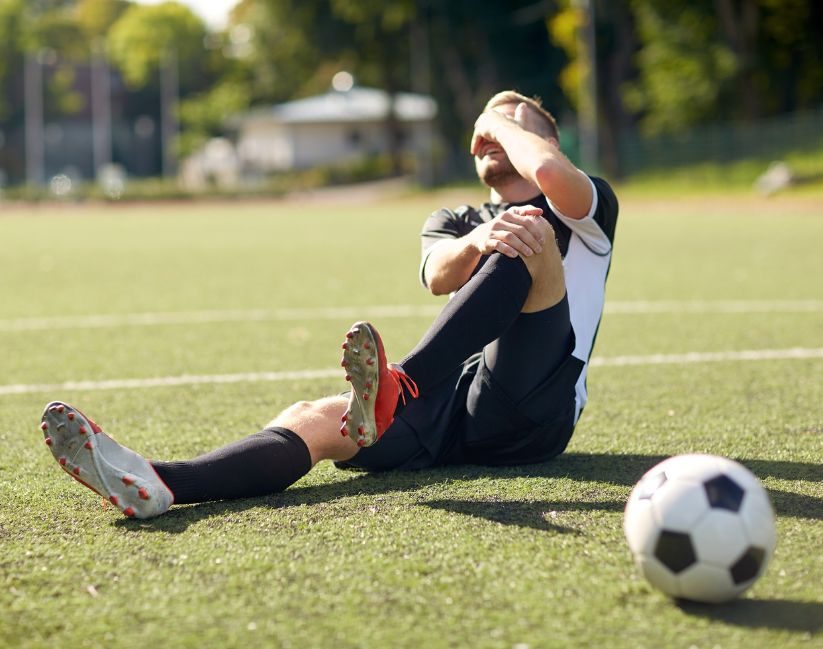
Basketball is an explosive, fast-moving sport that places significant demands on the knees. Jumping, pivoting, quick stops, and changes of direction all contribute to a high risk of knee injuries such as ligament sprains, meniscal tears, and tendinopathy. Knee injuries can severely impact a players ability to perform and may even threaten their career if not managed properly.
Sports-specific therapy offers basketball players a targeted approach to rehabilitate knee injuries, restore function, and return to play stronger than before. This blog explores how therapy tailored to basketball knee injuries accelerates recovery and reduces future risks.
Common Knee Injuries in Basketball
Anterior Cruciate Ligament (ACL) Tears: Often occur during sudden stops or pivoting.
Meniscus Tears: From twisting or direct impact.
Patellar Tendinopathy (Jumpers Knee): Caused by repetitive jumping.
Collateral Ligament Sprains: Resulting from lateral forces.
Runners Knee (Patellofemoral Pain Syndrome): From overuse and poor mechanics.
Why Sports-Specific Therapy Is Essential for Basketball Knee Injuries
Basketballs unique demands require rehab programs that focus not only on healing but also on restoring sport-specific movement patterns like cutting, jumping, and lateral movements. Generic rehab might neglect these elements, increasing the risk of re-injury.
Key Components of Sports-Specific Therapy for Basketball Knee Injuries
1. Comprehensive Assessment
Therapists analyze the injury, biomechanics, muscle imbalances, and movement patterns to design a customized plan.
2. Pain and Swelling Management
Manual therapy, ice, and modalities reduce inflammation and pain.
3. Strengthening Exercises
Focus on quadriceps, hamstrings, gluteal muscles, and calf muscles to support the knee.
4. Proprioception and Balance Training
Exercises to improve joint awareness and stability during dynamic basketball movements.
5. Plyometric and Agility Drills
Progressive drills simulate game situations like jumping, cutting, and quick changes of direction.
6. Return-to-Sport Testing
Functional assessments ensure readiness and minimize risk of re-injury.
How Therapy Supports Long-Term Knee Health
By addressing muscular imbalances, improving movement control, and retraining sport-specific skills, therapy helps basketball players reduce the likelihood of future knee injuries and perform at their best.
Frequently Asked Questions (FAQs)
Q: How long does knee injury rehab usually take?
A: Depending on injury severity, rehab may range from 6 weeks to 6 months.
Q: Can I do basketball drills during rehab?
A: Yes, under supervision, drills are gradually introduced based on healing progress.
Q: Will therapy help prevent future knee injuries?
A: Absolutely. Therapy focuses on strengthening and movement patterns to reduce risk.
Q: Do I need surgery for all knee injuries?
A: Not all injuries require surgery; therapy can often manage mild to moderate cases.
Q: How soon should I start therapy after a knee injury?
A: Early assessment and treatment improve outcomes.
Final Thoughts
Knee injuries can sideline basketball players, but with sports-specific therapy, recovery can be efficient, safe, and thorough. At YourFormsUX in Canada, we specialize in creating tailored rehab programs that help you get back on the court faster and stronger, minimizing downtime and maximizing performance.