How Sports-Specific Therapy Helps Dancers Maintain Flexibility and Prevent Injury explores targeted strategies for recovery. Discover new paths to mobility, healing, and personalized care.

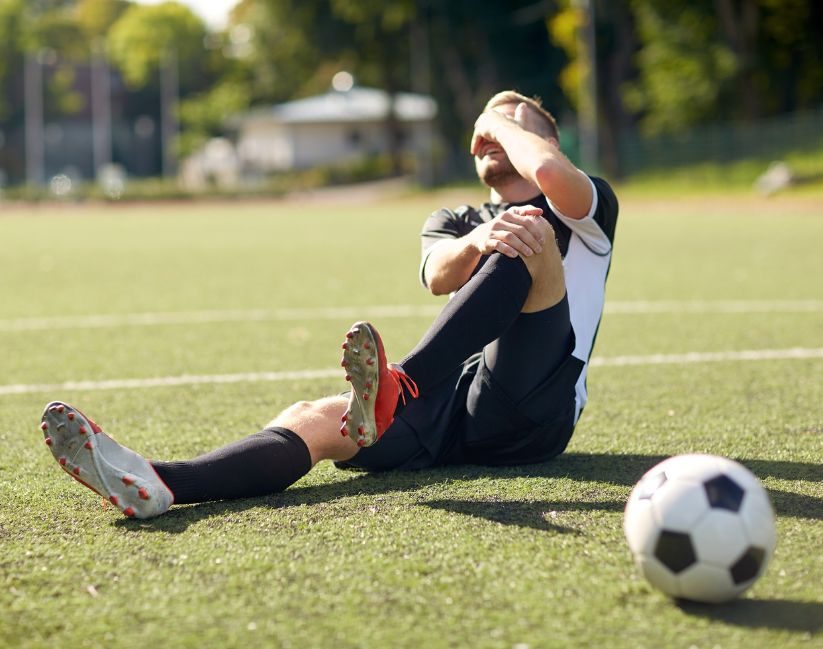
Dancers are athletestheres no doubt about it. The discipline, the physical intensity, and the demand for precision put dancing on par with high-performance sports. But unlike many sports, dance places a unique demand on the body: maximum flexibility combined with controlled strength and fluid motion. This creates a high risk for overuse injuries, hypermobility issues, and muscle imbalances.
At YFS (YourFormsUX), we specialize in sports-specific physiotherapy that helps dancers across Canada stay mobile, strong, and injury-free. Whether youre a ballerina, a contemporary performer, or a hip-hop dancer, our physiotherapy is designed to protect your most valuable assetyour body.
The Physical Demands of Dance
Dance involves repetitive movements, high ranges of motion, and long practice hours, which can strain muscles and joints in complex ways.
Common challenges dancers face include:
Joint hypermobility
Poor muscle balance between dominant and non-dominant sides
Repetitive strain injuries (hips, knees, ankles)
Flexibility without strength (leading to joint instability)
Poor recovery routines after performances or rehearsals
Without targeted therapy, dancers often push through pain until it becomes a major problem.
Common Dance-Related Injuries We See at YFS
Anterior hip impingement from extreme turnout or repetitive battements
Knee pain (patellofemoral syndrome, tendinitis) from jumping or pliés
Ankle sprains and instability from pointe work or floor transitions
Lower back pain due to excessive lumbar extension or core weakness
Hamstring and adductor strains from quick extensions without control
Our sports-specific therapy addresses these issues before they become career-threatening.
How YFS Helps Dancers Stay Flexible and Strong
Our approach to injury prevention and performance optimization focuses on balancenot just flexibility, but functional control.
1. Personalized Movement Assessment
We begin with a detailed evaluation of:
Flexibility vs. stability in hips, spine, and shoulders
Core strength and control
Single-leg balance and foot/ankle alignment
Jump and landing mechanics
Turnout range and technique
This helps us identify where dancers are over-relying on flexibility without adequate controland vice versa.
2. Strength Training for Flexibility Control
Being flexible isnt enough. Dancers need the strength to control that flexibility. We include:
Isometric holds in end ranges (e.g., arabesque holds)
Eccentric strength drills for hamstrings, glutes, and calves
Core stabilization exercises like bird-dogs, hollow holds, and side planks
Turnout muscle strengthening using resistance bands and floor exercises
We build strength without bulkhelping dancers stay lean, long, and powerful.
3. Mobility and Joint Protection
We use controlled mobility drills to maintain healthy ranges of motion, including:
Dynamic stretching routines for warm-ups (leg swings, hip circles, spinal rotations)
Active isolated stretching post-rehearsal
Manual therapy to release tight fascia and restore soft tissue balance
Foot intrinsic strengthening for arch support and balance
By improving the quality of movement, not just range, we reduce wear and tear on joints.
4. Turnout and Alignment Training
Poor turnout technique is a major contributor to hip, knee, and ankle injuries. We address:
Hip joint mechanics
External rotator muscle control
Pelvic alignment during static and dynamic positions
Compensation patterns like rolling arches or bent knees in plies
Our goal is to enhance turnout safely, without compromising joints.
5. Balance and Proprioception Work
Strong, stable dancers have excellent body awareness. Our therapy includes:
Unstable surface work (BOSU, wobble boards)
Single-leg stability with eyes closed
Dynamic balance challenges in dancer-specific postures
Landing mechanics for jumps and floorwork transitions
These exercises improve performance and reduce injury risk from falls or unstable landings.
6. Performance Recovery Protocols
After performances or long rehearsals, we support dancers with:
Recovery stretches and mobility flows
Soft tissue work (foam rolling, massage ball techniques)
Hydrotherapy, dry needling, and cupping
Education on rest, sleep, and hydration
Recovery is an essential part of staying healthy through intense training seasons.
Why Dancers Trust YFS
Dance-aware therapists who understand the biomechanics of ballet, modern, jazz, and other styles
Integrated strength and conditioning plans that dont interfere with artistry
One-on-one attention with programs built around individual flexibility needs
Focus on long-term career health, not just short-term fixes
We respect the art of danceand we help dancers keep doing what they love for years to come.
Final Thoughts
Flexibility is a giftbut without control, it can lead to injury. Sports-specific physiotherapy at YFS empowers dancers to move beautifully, powerfully, and safely. Through personalized strength training, mobility support, and alignment coaching, we help you maintain the flexibility your art demands, while protecting the strength your body needs.
Lets take care of your bodyso it can keep telling your story on stage.