How Sports-Specific Therapy Improves Recovery from Shoulder Injuries explores targeted strategies for recovery. Discover new paths to mobility, healing, and personalized care.

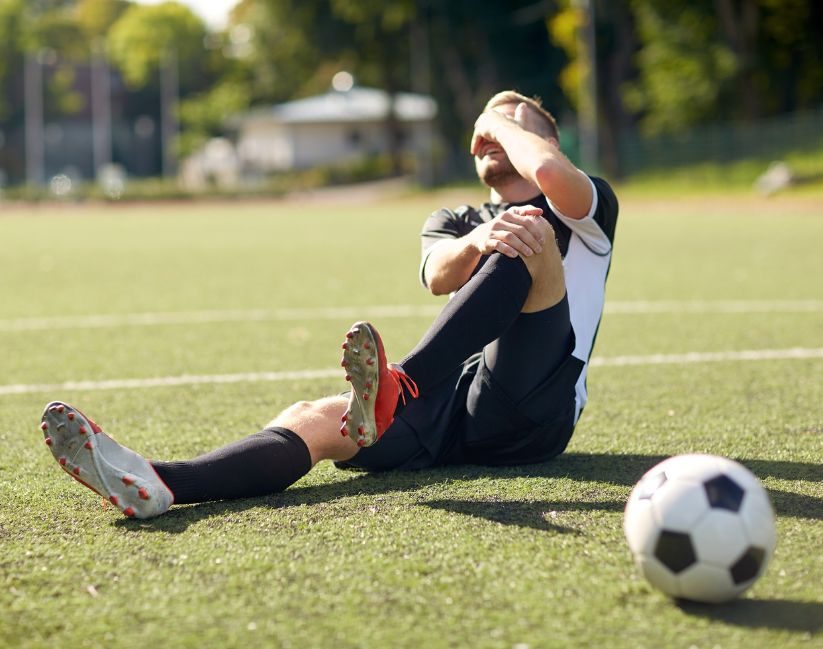
The shoulder is one of the most complex and mobile joints in the bodyand for athletes, its also one of the most vulnerable. Whether youre a swimmer powering through laps, a baseball pitcher launching fastballs, or a CrossFit athlete doing overhead presses, your shoulders take a beating. When injury strikes, standard rehab may not be enough. Thats where sports-specific physiotherapy for shoulder injuries comes into play.
At YourFormsUX, we provide expert physiotherapy in Canada that focuses on not just healing the shoulderbut returning athletes to peak condition, stronger and more stable than before.
Why the Shoulder Is So Injury-Prone in Sports
Athletes rely on a full range of motion, power, and stability from the shoulder joint. However, the very mobility that makes the shoulder so useful also makes it inherently unstable. Add to that repetitive overhead movements, sudden impacts, and high-velocity forces, and youve got a recipe for injury.
Common sports-related shoulder injuries include:
Rotator cuff tears or tendinopathy
Labral tears (SLAP lesions)
Shoulder impingement syndrome
AC joint separations
Dislocations and subluxations
Overuse-related bursitis or tendonitis
Each of these injuries can cause pain, weakness, limited range of motion, and most importantlyloss of confidence in movement.
Why Sports-Specific Therapy Makes a Difference
Generic shoulder rehab might ease pain and improve range of motion, but it doesnt prepare an athlete to return to overhead lifts, throws, tackles, or strokes. Sports-specific physiotherapy tailors each phase of recovery to mimic the movements and demands of your sport.
This individualized, performance-driven approach focuses on:
Restoring rotational strength and control
Rebuilding scapular stability
Retraining explosive shoulder mechanics
Gradually reintroducing sport-specific movement patterns
Lets break down what this looks like in a complete rehabilitation program.
1. Detailed Assessment and Movement Analysis
Our sports-specific recovery process at YourFormsUX begins with an in-depth assessment:
Shoulder range of motion (active and passive)
Rotator cuff strength and endurance
Scapular positioning and movement coordination
Functional movement screens based on your sport
Pain pattern and load tolerance
This diagnostic phase helps us identify not only the site of injury but also the biomechanical dysfunctions that caused or worsened it.
2. Early-Phase Rehab: Healing and Basic Function
In the early stages post-injury or post-surgery, the priority is to:
Reduce pain and inflammation
Restore basic range of motion
Activate deep stabilizing muscles
Avoid movement compensation
We use:
Manual therapy to release tight tissues and improve joint mobility
Passive and active-assisted movements to maintain mobility
Isometric and closed-chain exercises for stability with low strain
Its critical at this point to maintain overall fitness through modified trainingkeeping the athlete conditioned while protecting the shoulder.
3. Intermediate Phase: Strengthening and Control
Once pain decreases and motion returns, we ramp up to targeted strength and control training.
Key elements include:
Rotator cuff strengthening in multiple planes
Dynamic scapular stabilization exercises (e.g., serratus punches, wall slides, rows)
Isotonic loading for tendon resilience
Midline and core integration to stabilize the kinetic chain
Importantly, every movement is modified to reflect the actions seen in the athletes sportbe it a tennis serve, overhead lift, volleyball spike, or throwing motion.
4. Advanced Training: Power and Plyometrics
This is where sports-specific therapy shines the most. As the shoulder regains strength and control, we begin training it to perform at game-time intensity:
Overhead medicine ball slams
Reactive plyometric pushups
Rotational cable and band drills
Eccentric loading for throw simulation
The goal is to restore dynamic stability under high-speed, high-load conditionsexactly what happens during competition.
5. Return to Sport Protocol
Returning to sport is a systematic process, not a guess. We use performance metrics and sport-specific testing to determine when an athlete is ready.
Return-to-play steps include:
Simulated drills based on the athletes sport (throwing, serving, tackling, lifting)
Fatigue testing to ensure mechanics hold up under stress
Gradual reintroduction to full practice and game play
At YourFormsUX, we also educate athletes on ongoing shoulder carewith maintenance exercises and load management strategies to keep injuries from coming back.
Benefits of Sports-Specific Physiotherapy for Shoulder Injuries
Heres why athletes across Canada choose YourFormsUX for shoulder rehab:
Tailored rehab plans based on your sport and position
Faster, more complete recovery with functional performance training
Lower risk of re-injury through neuromuscular retraining
Better long-term shoulder health and durability
Confidence in returning to full athletic activity
Whether youre returning from surgery, managing a chronic overuse injury, or dealing with acute trauma, sports-specific therapy addresses the whole athlete, not just the joint.
What Makes YourFormsUX Different?
We understand that recovering from a shoulder injury is more than just getting out of pain. It’s about getting back to full athletic identityand doing it safely, effectively, and permanently.
At YourFormsUX, our approach includes:
One-on-one care with registered physiotherapists
Cutting-edge movement analysis and diagnostics
Integration with strength coaches and performance experts
Clear goal-setting and phased programming
We dont just help you recover. We help you recover like an athlete.
Common Questions About Shoulder Rehab
How long does it take to recover from a shoulder injury with physiotherapy?
Recovery time depends on the injury, but most athletes see significant improvement in 612 weeks, with full return to sport between 36 months for complex injuries.
Can I keep training while rehabbing my shoulder?
Absolutely. We design modified training programs to maintain cardiovascular fitness and lower-body strength without compromising shoulder healing.
Is sports-specific physiotherapy covered by insurance in Canada?
Yesmost extended health insurance plans cover physiotherapy. Check with your provider for details.
Ready to Reclaim Your Game?
If your shoulders holding you back, dont wait. A smart, sports-specific rehabilitation plan can make all the difference between short-term relief and long-term resilience.
Book your personalized assessment at YourFormsUX today and lets build a recovery program designed just for youyour sport, your body, your goals.