How Structural Integration Aids in Restoring Balance and Preventing Pain explores targeted strategies for recovery. Discover new paths to mobility, healing, and personalized care.

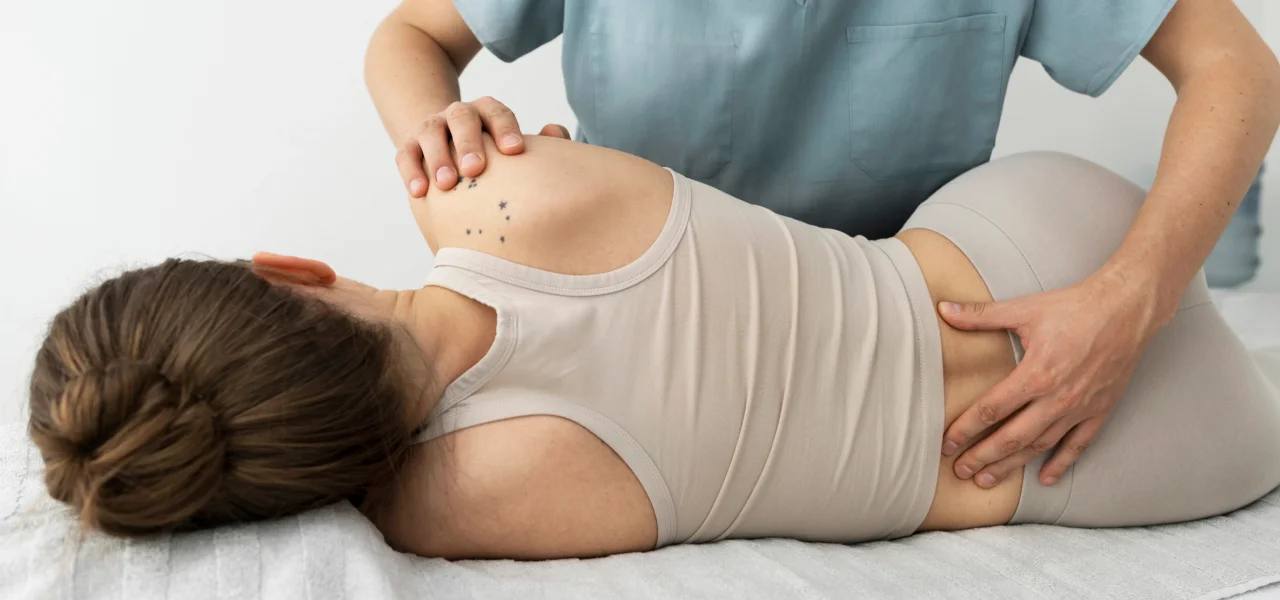
Structural Integration (SI), also known as Rolfing, is a therapeutic approach designed to improve the bodys structural alignment by addressing the fascial system the connective tissue that surrounds muscles, bones, and organs. This form of bodywork focuses on realigning the bodys structure, enhancing flexibility, and releasing restrictions in the fascia that often lead to pain, stiffness, and poor posture. By working with the bodys connective tissue, Structural Integration helps restore balance, prevent pain, and promote better overall movement. Here’s how it works and why it’s so effective for maintaining long-term health and preventing discomfort.
Understanding Structural Integration
Structural Integration is a method that involves a series of deep-tissue manipulations to reorganize the fascia, improve posture, and address the root causes of discomfort or injury. Over time, the bodys connective tissue can become stiff or misaligned due to factors like poor posture, repetitive strain, injury, or stress. Structural Integration works to release these restrictions, realign the bodys structure, and restore optimal function.
The approach is typically delivered in a series of ten sessions, known as the 10-Series, each targeting specific areas of the body. As these sessions progress, the therapist works to gradually integrate the changes into the entire body, helping clients develop lasting improvements in posture, movement, and overall body awareness.
Restoring Balance through Structural Integration
Improving Postural Alignment
One of the primary goals of Structural Integration is to restore proper postural alignment. Misalignments in the bodys structure such as slouching or uneven shoulders can lead to tension, discomfort, and pain. Structural Integration addresses these misalignments by manipulating the fascia to release tension, lengthen shortened muscles, and improve the alignment of bones and joints. As the bodys alignment improves, posture naturally becomes more balanced, which reduces strain on the muscles and joints.
Redistributing Body Weight Evenly
Poor posture and body alignment often lead to uneven weight distribution, where some muscles and joints are overloaded while others are underutilized. This can cause excessive wear and tear, leading to pain and discomfort. Through the deep tissue work of Structural Integration, the body is realigned, and weight is more evenly distributed across the body. This helps alleviate strain on any one area, making movement more efficient and reducing the risk of pain or injury.
Enhancing Flexibility and Mobility
The fascia plays a vital role in the bodys flexibility and mobility. When the fascia becomes restricted or tight, it can limit movement and cause stiffness, making it difficult to move freely. Structural Integration works by releasing fascial restrictions, promoting increased flexibility and range of motion. As the body becomes more flexible, movements become smoother, and the likelihood of injury or strain is reduced.
Releasing Stored Tension and Trauma
Over time, the body can accumulate tension from stress, trauma, and injury, which can manifest as chronic pain or stiffness. The fascia, being a connective tissue network, stores much of this tension. Structural Integration techniques help release this built-up tension by targeting specific areas where the fascia has become tight or restrictive. This not only alleviates pain but also helps the body reset its balance, allowing it to function with more ease.
Preventing Pain with Structural Integration
Correcting Dysfunctional Movement Patterns
Poor posture, muscle imbalances, and misalignments often lead to dysfunctional movement patterns. For instance, favoring one side of the body or using compensatory movements can strain muscles and joints, leading to pain. Structural Integration helps to identify and correct these inefficient movement patterns by restoring balance and alignment. By teaching the body to move more efficiently, SI reduces the risk of overuse injuries, repetitive strain, and discomfort.
Strengthening the Bodys Support System
Structural Integration not only works to release tension but also helps strengthen the bodys support system by improving posture and muscle coordination. As the bodys alignment improves, muscles become more balanced and better able to support the skeleton. This reduces the risk of muscle fatigue, joint strain, and injury. Additionally, better posture and alignment lead to less stress on the ligaments and tendons, promoting long-term joint health.
Increasing Body Awareness
Structural Integration encourages greater awareness of the body and its movements. As the practitioner works to realign the body, they often encourage the client to pay attention to how theyre holding themselves, moving, and feeling throughout the process. This heightened awareness helps individuals recognize when theyre adopting poor posture or using inefficient movement patterns, which can lead to pain. By becoming more attuned to their body, clients can make conscious adjustments to prevent injury and pain in the future.
Promoting Overall Wellness
Structural Integration not only targets pain relief but also promotes overall wellness by encouraging a balanced, well-aligned body. When the body functions properly and has optimal alignment, it is less likely to develop aches, stiffness, or injuries. Regular sessions can help maintain this state of balance, keeping the body in top condition and reducing the risk of developing chronic pain or conditions such as arthritis, back pain, or headaches.
Enhancing Post-Activity Recovery
Whether you’re an athlete or simply someone who enjoys being active, post-activity recovery is crucial to preventing pain and injury. Structural Integration supports the recovery process by improving circulation and releasing tension in overworked muscles. As blood flow increases, the muscles receive more oxygen and nutrients, which helps to repair damaged tissue and reduce soreness. This makes Structural Integration an excellent complement to other fitness routines or rehabilitation programs.
Long-Term Benefits of Structural Integration
The long-term benefits of Structural Integration include:
Sustained Improvements in Posture and Alignment: As structural issues are addressed, the body is better able to maintain proper posture, reducing the risk of future pain or discomfort.
Increased Mobility and Flexibility: Regular sessions lead to improved range of motion and flexibility, helping you move with more ease.
Pain-Free Movement: By addressing the root causes of pain, Structural Integration offers a solution to chronic discomfort, helping you lead a more active and pain-free life.
Injury Prevention: Correcting poor posture, muscle imbalances, and dysfunctional movement patterns significantly lowers the likelihood of developing new injuries.
Conclusion: A Holistic Approach to Balance and Pain Prevention
Structural Integration is a powerful method for restoring balance to the body and preventing pain. By working with the fascial system, SI helps to release tension, realign the body, and improve posture, flexibility, and mobility. This not only helps alleviate pain but also reduces the risk of future injuries. Whether you are recovering from an injury or simply looking to maintain long-term health and well-being, Structural Integration offers a holistic approach that promotes a balanced, pain-free body.