How Structural Integration Can Prevent Injuries and Improve Flexibility explores targeted strategies for recovery. Discover new paths to mobility, healing, and personalized care.

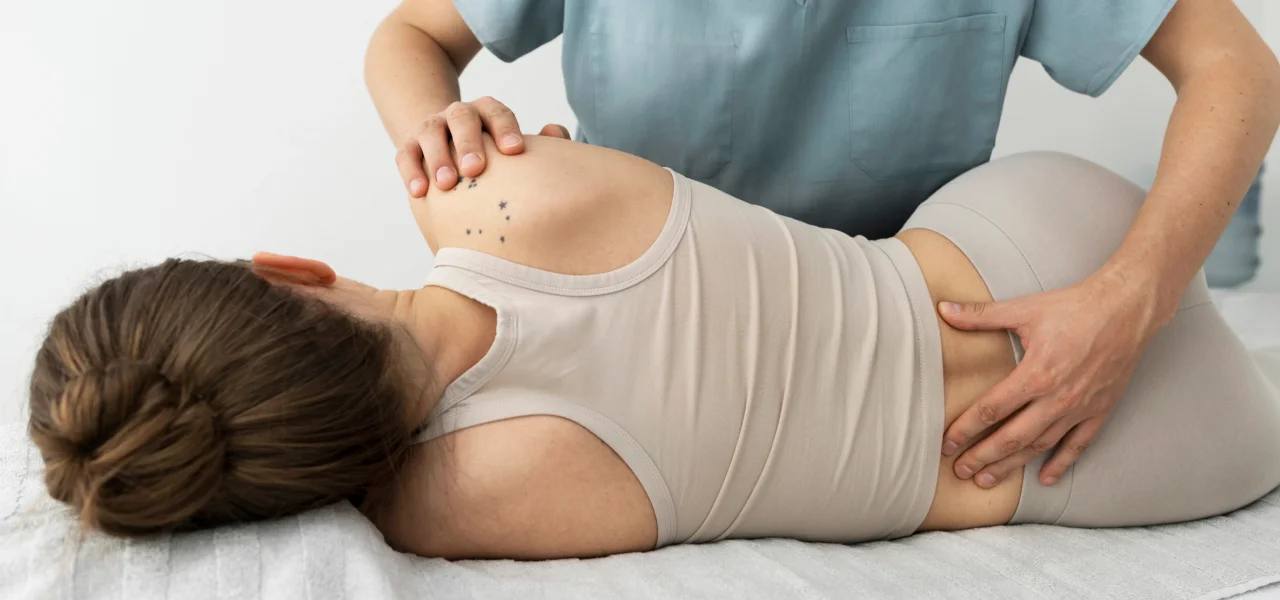
Structural Integration (SI), also known as Rolfing, is a therapeutic method that works on the bodys fascia, the connective tissue that surrounds and supports muscles, bones, and organs. This form of bodywork aims to improve the alignment of the body, release fascial restrictions, and enhance overall movement patterns. By targeting the root causes of musculoskeletal issues, Structural Integration plays a crucial role in preventing injuries and improving flexibility, making it an invaluable tool for both athletes and individuals seeking better mobility and injury prevention.
Understanding Structural Integration
Developed by Dr. Ida Rolf in the mid-20th century, Structural Integration focuses on the fascial system and its relationship to the bodys structure and function. Fascia, the dense network of connective tissue, can become tight or restricted due to various factors such as poor posture, repetitive movements, injury, or stress. When fascia becomes restricted, it can create tension, pain, and dysfunctional movement patterns that contribute to imbalances and increase the risk of injury.
Through a series of hands-on treatments, Structural Integration aims to release fascial tension, realign the bodys structure, and restore natural movement patterns. This results in improved posture, increased flexibility, and reduced likelihood of injury.
How Structural Integration Prevents Injuries
Correcting Postural Imbalances
Postural imbalances often place excessive strain on certain areas of the body, leading to muscle tension and increased risk of injury. For instance, poor posture (like slouching or forward head posture) can contribute to back pain, shoulder strain, or neck injuries. Over time, these imbalances can lead to repetitive stress injuries, such as tendinitis or muscle strains.
Structural Integration works by identifying and correcting these postural misalignments. By releasing tight fascia and realigning the body, SI helps to restore a more balanced, symmetrical posture. When the body is properly aligned, stress is distributed more evenly across the joints and muscles, reducing the likelihood of overuse injuries and chronic pain.
Improving Muscle and Joint Coordination
Musculoskeletal injuries often occur when certain muscles become overworked while others are underused, leading to imbalances. For example, a person with weak core muscles may rely on their lower back muscles to compensate for the lack of support, resulting in back pain or injury. Structural Integration addresses these imbalances by improving the coordination of muscles and joints.
By releasing fascial tension and mobilizing the joints, SI promotes better coordination and balanced muscle activity. This ensures that the body moves efficiently, with all muscle groups working together, reducing the risk of strain or injury during physical activity.
Increasing Flexibility and Range of Motion
Stiffness and limited flexibility are common causes of injury, particularly in individuals who have sedentary lifestyles, overuse certain muscle groups, or engage in high-intensity activities. When the fascia becomes tight, it restricts movement and flexibility, making it easier to sustain an injury when performing everyday tasks or athletic activities.
One of the key benefits of Structural Integration is its ability to improve flexibility and range of motion. By working directly on the fascia, SI releases restrictions and restores the natural length and elasticity of muscles and connective tissues. This enhanced flexibility allows for smoother, more fluid movements, which reduces the likelihood of muscle strains, sprains, and other soft tissue injuries.
Preventing Overuse Injuries
Overuse injuries are common in athletes or individuals who engage in repetitive activities such as running, cycling, or weightlifting. These injuries occur when specific muscles or joints are overworked without adequate recovery time, leading to tissue breakdown and inflammation.
Structural Integration helps prevent overuse injuries by restoring balance to the bodys musculoskeletal system. By addressing areas of tightness and imbalances, SI ensures that muscles and joints are functioning optimally, reducing the risk of compensatory movement patterns that lead to overuse. This balanced movement helps distribute forces evenly across the body, lowering the risk of injury during repetitive physical activities.
Enhancing Proprioception and Body Awareness
Proprioception refers to the bodys ability to sense its position in space and make adjustments for coordinated movement. Poor proprioception can lead to awkward movements, missteps, and a higher likelihood of falls or injuries. Structural Integration improves proprioception by enhancing the bodys overall alignment and movement patterns.
As SI works to release fascial restrictions and improve posture, it also increases body awareness. By becoming more aware of how the body moves and responds in different positions, individuals can adjust their movements to prevent strain or injury. This improved body awareness can be especially beneficial for athletes, helping them perform more efficiently and reduce the risk of sudden, uncoordinated movements that could lead to injury.
How Structural Integration Improves Flexibility
Releasing Fascial Restrictions
Fascia is a key component of flexibility. When fascia is tight or restricted, it limits the muscles ability to lengthen and contract, reducing flexibility. Structural Integration focuses on releasing fascial adhesions and tightness that prevent muscles from moving freely. This allows for a more natural range of motion and enhances overall flexibility.
Through targeted deep tissue manipulation, SI practitioners break down fascial adhesions, allowing muscles and connective tissues to return to their proper length. This release of tension improves flexibility, making it easier to perform stretches, bend, and move without discomfort.
Lengthening Muscles and Improving Tissue Elasticity
In addition to releasing fascial restrictions, Structural Integration works to lengthen shortened muscles. Shortened muscles, often caused by poor posture or habitual movement patterns, can lead to stiffness and discomfort. By stretching and mobilizing muscles and fascia, SI helps to restore the muscles natural elasticity, increasing flexibility and range of motion.
This enhanced muscle elasticity not only improves flexibility but also reduces the risk of injury, as tissues that are more flexible are less likely to become overstretched or torn during physical activity.
Improving Joint Mobility
Flexibility is not just about the musclesit also involves the joints. When joints are restricted or misaligned, they can limit movement and cause discomfort. Structural Integration focuses on mobilizing the joints and surrounding tissues to improve their range of motion.
By improving joint mobility, SI ensures that the body moves more fluidly, reducing stiffness and pain. This is particularly beneficial for individuals with joint conditions such as arthritis or those recovering from injuries that have affected their joint function.
Enhancing Fluid Movement Patterns
Flexibility is closely tied to the bodys ability to move fluidly and efficiently. Structural Integration helps improve movement patterns by addressing misalignments and muscle imbalances. When the body is properly aligned and balanced, movements become more fluid and less restrictive, contributing to improved flexibility.
SI encourages efficient, coordinated movement, allowing muscles and joints to work in harmony. This fluidity not only improves flexibility but also enhances overall athletic performance and reduces the risk of injury.
Conclusion: Structural Integration for Injury Prevention and Flexibility
Structural Integration is a highly effective method for both preventing injuries and improving flexibility. By addressing fascial restrictions, restoring alignment, and improving body awareness, SI helps to ensure that the body moves efficiently and in balance. Whether youre an athlete seeking to enhance performance or someone looking to maintain long-term mobility and reduce the risk of injury, Structural Integration provides a valuable tool for improving flexibility and preventing soft tissue imbalances. By incorporating SI into your wellness routine, you can enjoy better posture, greater flexibility, and a reduced risk of injury, promoting a healthier, more active lifestyle.