How Structural Integration Helps Correct Postural Defects and Muscle Imbalances explores targeted strategies for recovery. Discover new paths to mobility, healing, and personalized care.

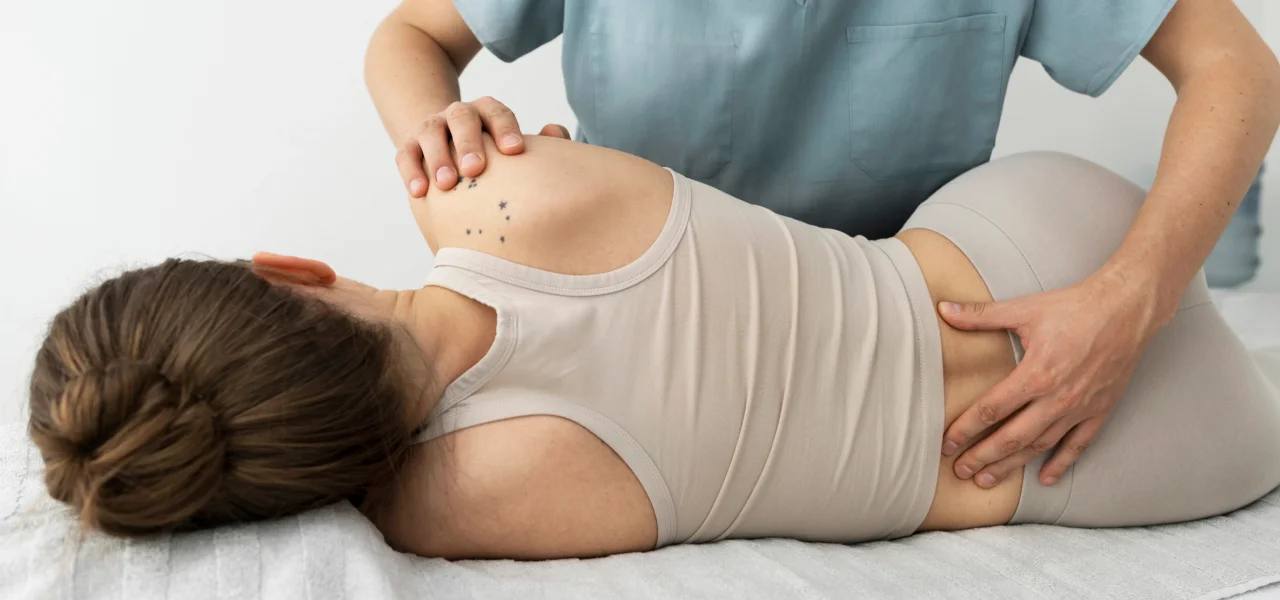
Poor posture and muscle imbalances can cause pain, fatigue, and limit your ability to move freely. Whether from long hours sitting, injuries, or repetitive habits, these issues affect your overall health and wellbeing.
Structural Integration (SI) is a hands-on therapy designed to address these problems by working deeply with your bodys connective tissue (fascia), helping restore alignment, balance muscle tension, and improve posture.
What Are Postural Defects and Muscle Imbalances?
Postural defects refer to misalignments in the way you hold your body, such as rounded shoulders, forward head posture, or uneven hips.
Muscle imbalances occur when some muscles are overactive or tight, while others are weak or lengthened, leading to uneven tension and movement patterns.
Both can contribute to pain, restricted movement, and increase the risk of injury.
How Structural Integration Addresses These Issues
1. Releasing Fascial Restrictions
Fascia can become tight and sticky, pulling your body out of alignment. SI uses slow, deep manual pressure to release these restrictions, allowing your body to return to a more balanced state.
2. Realigning the Bodys Structure
By addressing fascial imbalances throughout the body, SI helps correct misalignments in the spine, shoulders, hips, and pelviskey areas for good posture.
3. Balancing Muscle Tension
SI encourages even muscle tone, reducing overuse of tight muscles and strengthening underused ones, which improves overall function.
4. Improving Movement Patterns
With better alignment and muscle balance, your movement becomes smoother, more efficient, and less prone to injury.
5. Enhancing Body Awareness
SI increases your proprioceptionthe awareness of your body in spacehelping you maintain better posture and movement habits in daily life.
Benefits of Corrected Posture and Balanced Muscles
Reduced chronic pain and discomfort
Increased energy and reduced fatigue
Improved flexibility and range of motion
Enhanced athletic and daily performance
Better breathing and circulation
Who Can Benefit?
Anyone with:
Poor posture from work or lifestyle
Muscle tightness and weakness
Chronic aches related to imbalances
Recovery needs after injury or surgery
Final Thoughts
Structural Integration offers a deep, effective way to correct postural defects and muscle imbalanceshelping you stand taller, move easier, and feel more comfortable in your body.
If poor posture or muscle tension is holding you back, SI might be the transformative therapy you need.