How Structural Integration Helps Improve Posture and Alignment explores targeted strategies for recovery. Discover new paths to mobility, healing, and personalized care.

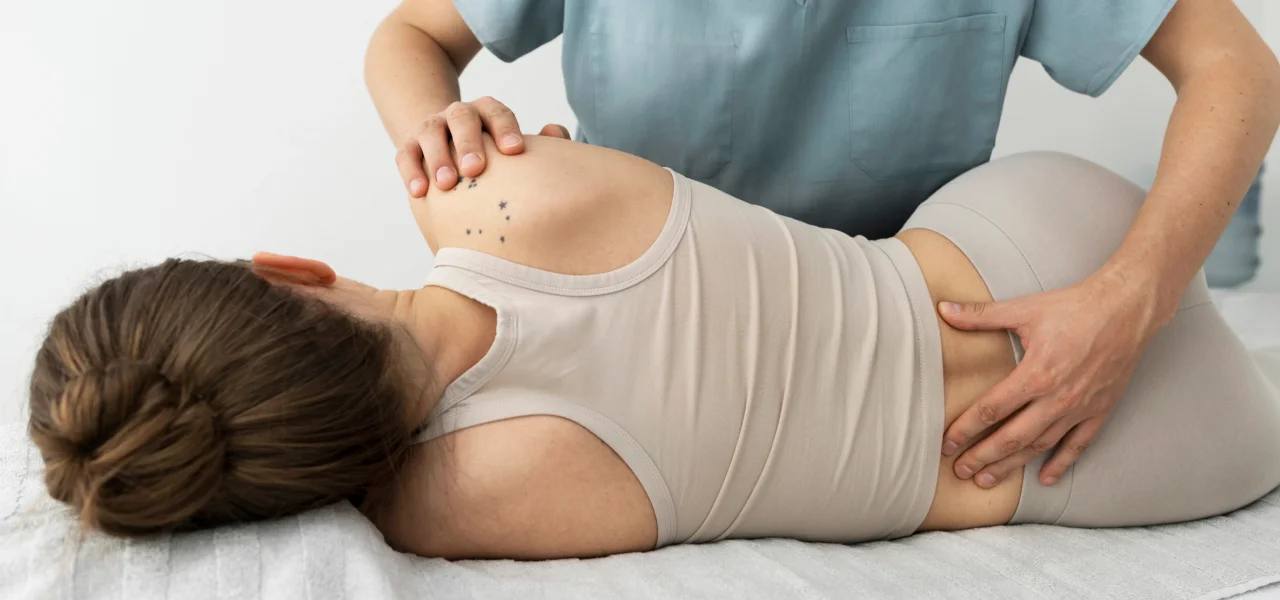
Structural Integration (SI), commonly known as Rolfing, is a powerful therapeutic approach designed to improve the bodys alignment and posture by working on the fascia, the connective tissue that surrounds and supports muscles, bones, and organs. Through a series of targeted manual techniques, SI aims to release fascial restrictions, realign the bodys structure, and enhance overall movement patterns. By restoring balance and symmetry, Structural Integration can significantly improve posture, reduce pain, and increase functional efficiency, leading to long-term benefits for both physical health and well-being.
What is Posture and Alignment?
Posture refers to the way we hold and position our bodies, whether we are standing, sitting, or moving. Good posture means that the bones, joints, muscles, and connective tissues are aligned in a way that supports efficient movement and minimizes strain on the body. Misalignments, on the other hand, can cause imbalances that lead to pain, stiffness, and inefficient movement.
Alignment refers to the proper positioning of the bodys structures in relation to each other, ensuring that the muscles and joints are functioning optimally. Poor alignment, often caused by factors such as repetitive stress, injury, or poor posture, can lead to musculoskeletal problems like back pain, shoulder stiffness, headaches, and joint dysfunction.
How Structural Integration Improves Posture and Alignment
Releasing Fascial Restrictions
The fascia is a web-like network of connective tissue that surrounds and connects muscles, bones, and organs. Over time, fascia can become tight, restricted, or adhered due to poor posture, repetitive movements, injury, or emotional stress. When fascia becomes restricted, it pulls on the muscles and bones, causing misalignment and imbalanced posture.
Structural Integration focuses on releasing these fascial restrictions. Through deep tissue manipulation, the therapist targets tight or adhered fascia, loosening it and allowing the muscles and joints to move more freely. By releasing these fascial restrictions, SI helps restore the bodys natural alignment, which in turn improves posture and reduces strain on muscles and joints.
Realigning the Spine and Joints
The spine plays a critical role in maintaining overall body posture and alignment. Misalignments in the spine can lead to poor posture, back pain, and a range of other musculoskeletal issues. Structural Integration works to realign the spine and joints, particularly those in the pelvis, hips, and shoulders, by gently manipulating and mobilizing them.
By restoring proper alignment to the spine and other key joints, SI helps balance the entire musculoskeletal system, improving posture and enabling more efficient movement. This realignment reduces the risk of pain and injury, enhances mobility, and encourages more natural movement patterns.
Improving Postural Awareness
Structural Integration not only focuses on the physical manipulation of the body but also encourages greater body awareness. The therapeutic process teaches individuals to become more aware of their posture and movement patterns. As the body realigns and the fascial restrictions are released, clients are encouraged to notice how they hold themselves in various positions throughout the day.
This heightened awareness helps individuals recognize poor posture habits, such as slouching or leaning to one side, and make conscious adjustments. By developing an awareness of their posture, individuals can maintain better alignment throughout daily activities, reducing the likelihood of strain or injury in the long term.
Balancing Muscle Tension and Length
Muscle imbalances are often a significant factor in poor posture and misalignment. For example, tight muscles on one side of the body may cause the body to lean or shift out of alignment. Structural Integration addresses these imbalances by releasing tight muscles and strengthening weaker ones.
By balancing the tension and length of muscles, SI helps improve posture by ensuring that muscles are working in harmony. This balance allows for more efficient movement and reduces the risk of misalignment caused by overactive or underactive muscles. In the long run, this contributes to better overall posture and alignment.
Restoring the Natural Curves of the Spine
The spine has natural curves that are essential for supporting the bodys weight and maintaining proper posture. When these curves become misalignedsuch as through excessive arching (lordosis) or flattening (kyphosis)it can lead to discomfort and pain.
Structural Integration works to restore the spines natural curves by releasing tension in the muscles and fascia surrounding the spine. By addressing misalignments and tension in the spinal muscles, SI helps bring the spine back into its optimal position, leading to improved posture, reduced pain, and better overall function.
Aligning the Pelvis and Lower Body
The pelvis is a key area for maintaining good posture and alignment. When the pelvis is tilted forward or backward, it can lead to issues in the lower back, hips, and legs, which can affect the entire bodys alignment. Structural Integration works to realign the pelvis by releasing tight muscles and fascia in the hips, lower back, and thighs.
By restoring the pelvis to a neutral position, SI improves the alignment of the spine and legs, which helps enhance posture and reduce pain. This adjustment also encourages proper movement patterns, reducing the risk of hip or lower back injuries.
Increasing Mobility and Flexibility
Flexibility and mobility are essential for maintaining good posture and alignment. Stiff muscles or restricted joints can limit movement and contribute to poor posture, as the body compensates for tight or immobile areas. Structural Integration helps release tension and improve the flexibility of muscles and joints, allowing for smoother and more efficient movement.
As mobility increases, the body becomes more able to move freely and maintain proper alignment. Greater flexibility also reduces the strain on muscles and joints, improving posture and reducing the risk of injury.
The 10-Series Approach to Posture and Alignment
Structural Integration is typically delivered in a series of 10 sessions, known as the 10-Series. Each session focuses on different areas of the body and works progressively to address alignment issues and fascial restrictions. The sessions are designed to:
Address superficial fascial restrictions and introduce the client to the process of realignment.
Restore balance to the bodys alignment, focusing on deep fascia and muscle release.
Integrate the changes from previous sessions, working to fine-tune posture and enhance movement efficiency.
By the end of the 10-Series, clients typically experience improved posture, reduced pain, enhanced flexibility, and greater body awareness.
Long-Term Benefits of Structural Integration for Posture and Alignment
Reduced Pain and Discomfort: By improving alignment and reducing muscle tension, SI helps alleviate chronic pain in areas such as the back, neck, and shoulders.
Improved Mobility: With better alignment and muscle balance, the body moves more efficiently and with less strain, enhancing overall flexibility and mobility.
Better Posture: Structural Integration helps correct misalignments and encourages better posture, reducing the risk of future musculoskeletal issues.
Injury Prevention: By addressing the root causes of poor posture and muscle imbalances, SI reduces the risk of future injuries related to poor alignment.
Enhanced Body Awareness: Structural Integration fosters a greater understanding of body mechanics, empowering individuals to make conscious changes to improve their posture and movement patterns in everyday life.
Conclusion: Structural Integration for Improved Posture and Alignment
Structural Integration offers a comprehensive solution for improving posture and alignment by addressing the fascial system, realigning the body, and promoting better movement patterns. By releasing fascial restrictions, correcting misalignments, and balancing muscle tension, SI helps restore optimal posture, reduce pain, and prevent future dysfunction. Whether youre dealing with chronic pain, recovering from an injury, or simply looking to improve your overall posture and mobility, Structural Integration provides a powerful tool for achieving lasting improvements in body alignment and function.