How Structural Integration Helps Treat Muscle and Joint Stiffness explores targeted strategies for recovery. Discover new paths to mobility, healing, and personalized care.

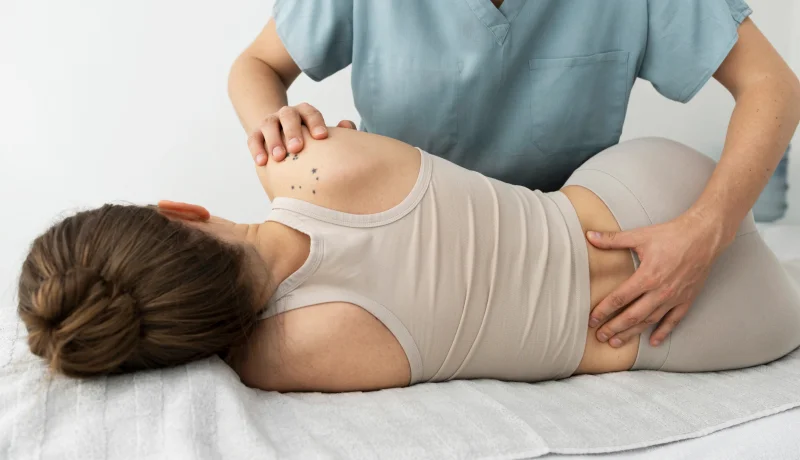
Structural Integration (SI), commonly known as Rolfing, is a therapeutic technique that focuses on the fascial system, which is the connective tissue that surrounds muscles, joints, and organs. Fascia plays a crucial role in maintaining the body’s structure and movement. When the fascia becomes restricted or tight due to injury, poor posture, or repetitive movement, it can cause muscle and joint stiffness, leading to discomfort and limited mobility. Structural Integration works to release these fascial restrictions, restore balance, and improve movement, ultimately treating muscle and joint stiffness.
Heres how Structural Integration helps treat muscle and joint stiffness:
1. Releasing Fascial Restrictions
Fascia can become tight, dense, or restricted due to various factors such as injury, stress, poor posture, or overuse. These fascial restrictions often contribute to stiffness in muscles and joints. Structural Integration targets these restrictions by applying specific techniques to release tension and restore the natural pliability of the fascia.
Myofascial release is a key technique in Structural Integration, where sustained pressure is applied to tight areas of fascia to break up adhesions and release tension. This helps the fascia become more flexible and allows the muscles and joints to move more freely.
Deep tissue manipulation works to release both the muscles and the fascia, helping to restore elasticity and reduce stiffness. As the fascia and muscles become more flexible, joint mobility improves, and muscle stiffness decreases.
By releasing fascial restrictions, SI helps to restore muscle and joint mobility, reducing stiffness and improving overall flexibility.
2. Improving Postural Alignment
Muscle and joint stiffness often result from poor posture or misalignments in the body. When the spine, pelvis, or joints are misaligned, it can create uneven tension throughout the body, leading to discomfort and restricted movement. Structural Integration focuses on restoring proper alignment to reduce strain on muscles and joints, thereby alleviating stiffness.
Spinal realignment is a central aspect of SI. Misalignments in the spine can lead to pain, stiffness, and restricted movement. By adjusting the vertebrae and realigning the spine, SI helps reduce tension on muscles and joints, improving overall posture and reducing stiffness.
Pelvic realignment also plays a significant role in treating muscle and joint stiffness. Misalignments in the pelvis can cause tightness and discomfort in the lower back, hips, and legs. SI restores balance to the pelvis, helping to reduce tension and improve flexibility in these areas.
By improving alignment, Structural Integration reduces the strain on muscles and joints, which helps to alleviate muscle stiffness and joint discomfort.
3. Enhancing Joint Mobility
Joint stiffness often results from limited movement or restrictions in the surrounding tissues, such as muscles and fascia. Structural Integration helps restore joint mobility by addressing both the fascial and muscular components that limit movement.
Joint mobilization is a key technique in SI that helps increase the range of motion in restricted joints. The gentle manipulation of joints encourages movement and reduces stiffness, particularly in areas like the shoulders, hips, knees, and spine.
Myofascial release and deep tissue work are also used to target the muscles and fascia around the joints. This reduces muscle tightness and helps restore normal movement patterns, increasing the joint’s mobility.
By improving joint mobility, Structural Integration reduces joint stiffness and promotes more fluid movement, allowing for greater flexibility and less discomfort.
4. Balancing Muscle Function
Muscle imbalances are a common cause of muscle and joint stiffness. When some muscles become overactive or tight while others are underactive or weak, it can lead to inefficient movement patterns and increased strain on joints. Structural Integration works to balance muscle function, which helps alleviate stiffness and discomfort.
Muscle energy techniques are used in SI to stretch tight muscles while stimulating the activation of weaker muscles. This restores balance between opposing muscle groups, improving overall muscle coordination and flexibility.
Postural correction is also an important aspect of SI. Osteopaths and practitioners use SI to teach clients how to maintain better posture, which reduces strain on muscles and promotes better muscle function.
By balancing muscle function, Structural Integration helps reduce muscle tension and joint stiffness, allowing for more efficient movement.
5. Restoring Movement Efficiency
Chronic muscle and joint stiffness often arise from inefficient movement patterns. When the body is not moving optimally, it can lead to overuse of certain muscles and joints, resulting in tightness and discomfort. Structural Integration focuses on restoring movement efficiency by addressing postural imbalances and improving body mechanics.
Movement retraining in SI helps individuals develop more efficient movement patterns, ensuring that muscles and joints are used effectively and without excessive strain.
Postural education is a crucial aspect of SI. By teaching individuals how to align their body properly during everyday activities, SI helps reduce the likelihood of muscle and joint stiffness caused by poor posture.
By improving movement efficiency, Structural Integration helps reduce muscle and joint stiffness, allowing for smoother, more comfortable movement.
6. Reducing Pain and Discomfort Associated with Stiffness
Muscle and joint stiffness often lead to pain and discomfort, which can further limit movement and flexibility. Structural Integration addresses the root causes of pain by releasing fascial restrictions, improving alignment, and balancing muscle function.
Myofascial release helps reduce pain by releasing tight muscles and fascia, while deep tissue work relieves the tension that causes discomfort in stiff muscles and joints.
Spinal manipulation and joint mobilization relieve pain caused by restricted movement in the spine and joints. By improving mobility, SI reduces the discomfort associated with stiffness.
By targeting the source of pain and stiffness, Structural Integration helps alleviate discomfort and improves overall movement.
7. Supporting Long-Term Mobility and Flexibility
One of the key benefits of Structural Integration is its ability to improve long-term mobility and flexibility. Regular treatments help maintain the bodys structural balance, preventing the recurrence of stiffness and ensuring that muscles and joints remain flexible and mobile over time.
Ongoing SI sessions help maintain the gains made in improving flexibility and joint mobility, reducing the risk of stiffness or discomfort returning.
Preventive care is an essential aspect of SI. By addressing fascial restrictions and muscle imbalances before they become problematic, SI helps prevent the development of chronic stiffness and maintains functional movement.
By supporting long-term mobility and flexibility, Structural Integration ensures that the body remains resilient and pain-free in the future.
8. Enhancing Overall Body Function and Quality of Life
Improving muscle and joint flexibility not only reduces stiffness and discomfort but also enhances overall body function and quality of life. When the body moves more freely, individuals experience less pain and greater ease in performing everyday activities.
Functional movement training helps individuals move more efficiently, whether they are walking, lifting, or participating in physical activities. This reduces the risk of strain and stiffness and supports overall well-being.
Postural improvements from SI lead to better movement efficiency, reduced pain, and improved mobility, helping individuals feel more comfortable and active.
By enhancing body function and reducing stiffness, Structural Integration contributes to a higher quality of life, allowing individuals to stay active and pain-free.
Conclusion: Structural Integration for Muscle and Joint Stiffness
Structural Integration is an effective approach for treating muscle and joint stiffness by targeting the fascial system, improving alignment, balancing muscle function, and restoring mobility. Through techniques such as myofascial release, joint mobilization, postural correction, and movement retraining, SI helps release tension, improve flexibility, and enhance the overall function of the body.