How Structural Integration Helps Treat Soft Tissue Imbalances and Pain explores targeted strategies for recovery. Discover new paths to mobility, healing, and personalized care.

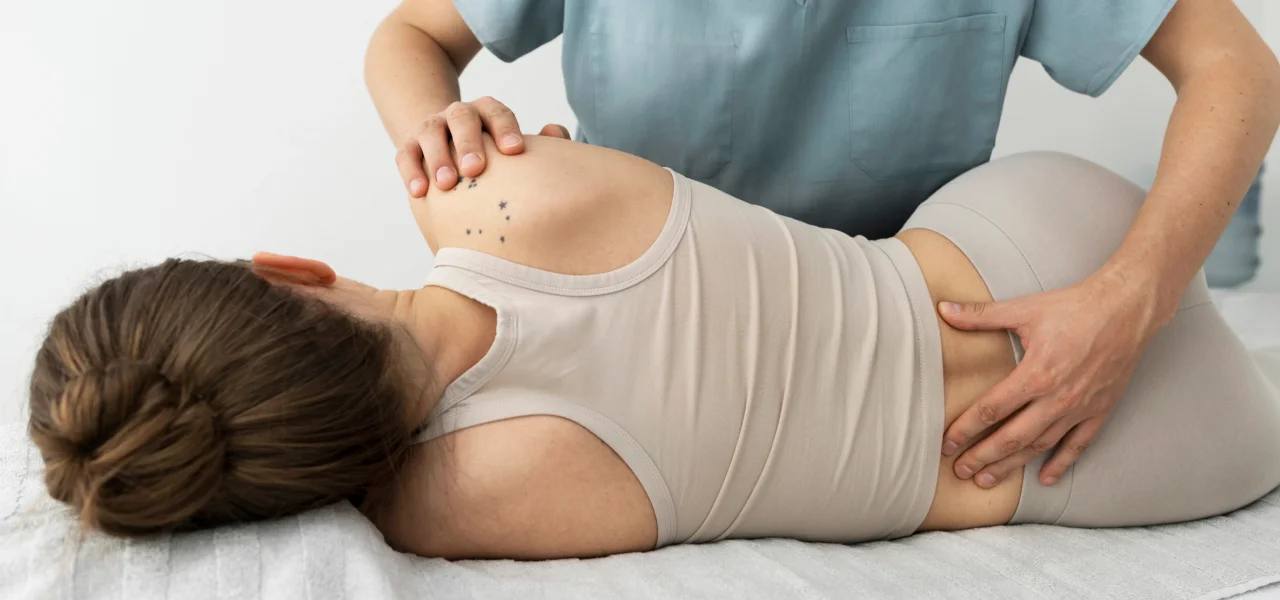
Structural Integration (SI), commonly known as Rolfing, is a hands-on therapeutic method that focuses on the bodys fascial system, aiming to correct postural imbalances, relieve pain, and improve movement efficiency. The fascia is the connective tissue that surrounds and supports muscles, joints, and organs, and when it becomes restricted or misaligned, it can lead to soft tissue imbalances, chronic pain, and poor movement patterns. Structural Integration uses deep tissue manipulation and other techniques to target these issues, re-align the bodys structure, and alleviate pain.
Heres how Structural Integration works in treating soft tissue imbalances and pain:
Understanding Soft Tissue Imbalances and Pain
Soft tissue imbalances occur when the muscles and connective tissues are not functioning optimally due to tightness, weakness, or improper alignment. These imbalances often result from factors such as poor posture, repetitive movements, injury, stress, or even emotional tension. Over time, soft tissue imbalances can lead to pain, restricted movement, and dysfunction.
Pain associated with soft tissue imbalances often manifests as:
Chronic pain in areas such as the back, shoulders, neck, or hips.
Muscle stiffness or tightness, particularly after physical activity.
Postural issues, such as rounded shoulders or forward head posture, resulting in discomfort.
Limited range of motion, making everyday movements or activities difficult.
How Structural Integration Helps Treat Soft Tissue Imbalances
Releasing Fascial Restrictions
The fascia plays a critical role in supporting and stabilizing the bodys structure, and it influences movement patterns. When the fascia becomes tight or restricted due to injury, poor posture, or stress, it can cause muscle imbalances and pain. Structural Integration works by using deep tissue manipulation and other techniques to release fascial restrictions and adhesions.
By applying pressure to specific areas of tension, SI helps to loosen the fascia and restore the bodys natural alignment. This release of fascial tension allows the muscles and joints to move more freely, reducing pain and improving mobility.
Restoring Proper Alignment and Posture
Soft tissue imbalances often result from poor alignment, which leads to compensatory patterns in the body. For example, a person with a misaligned pelvis may develop chronic lower back pain due to altered movement patterns that place excessive strain on certain muscles. Over time, these postural issues can lead to more significant pain and dysfunction.
Structural Integration focuses on realigning the bodys structure. Through a series of targeted techniques, SI practitioners address misalignments in the spine, pelvis, shoulders, and other joints, helping to restore a more balanced and symmetrical posture. By correcting postural issues, SI reduces the strain on muscles and joints, alleviating soft tissue imbalances and pain.
Improving Circulation and Flexibility
Fascia that is tight or restricted can impede circulation and restrict movement. Poor blood flow to the muscles and tissues can slow down the healing process, leading to persistent pain and stiffness. Structural Integration helps to increase circulation to the affected areas by releasing fascial restrictions and improving tissue mobility.
The enhanced circulation promotes the delivery of oxygen and nutrients to the muscles and tissues, accelerating the healing process and reducing inflammation. This not only helps alleviate existing pain but also prevents future soft tissue imbalances by ensuring that the body remains supple and flexible.
Breaking Down Scar Tissue and Adhesions
After injury or surgery, scar tissue and adhesions can form around muscles, ligaments, and joints, creating stiffness and restricting movement. These adhesions can limit flexibility, cause chronic pain, and contribute to long-term postural imbalances.
Structural Integration effectively addresses scar tissue and adhesions by using deep tissue manipulation to break down these restrictions. The therapist works to free the tissue, allowing the body to regain its natural movement patterns and reducing the pain and discomfort caused by scar tissue. This process is particularly useful for people recovering from injuries or surgeries.
Enhancing Body Awareness
Structural Integration promotes a heightened sense of body awareness, helping individuals become more mindful of their posture, movement patterns, and physical habits. This awareness is key to preventing future soft tissue imbalances and pain.
By teaching clients to recognize areas of tension, misalignment, or inefficient movement, SI helps them make conscious adjustments in their daily lives. This can involve correcting posture while sitting, walking, or lifting, and avoiding repetitive movements that can lead to imbalances. Improved body awareness empowers individuals to take better care of their physical health and reduce the risk of developing soft tissue pain in the future.
Rebalancing Muscular Function
Soft tissue imbalances often result from certain muscles being overly tight or underactive, leading to pain and dysfunction. For example, if the muscles in the front of the body are tight (such as the chest and hip flexors), they may pull the body forward, creating postural problems and pain in the back or shoulders.
Through targeted manual techniques, Structural Integration works to release tight muscles, lengthen shortened tissues, and activate weaker muscles. This rebalancing of muscular function helps to restore optimal movement patterns, reduce strain on muscles and joints, and alleviate pain caused by imbalances.
Promoting Long-Term Pain Relief and Prevention
One of the key advantages of Structural Integration is its focus on long-term healing and pain prevention. By addressing the underlying causes of soft tissue imbalances and painsuch as poor posture, restricted fascia, and muscle imbalancesSI helps create lasting changes in the bodys structure and function.
The progressive series of treatments gradually realigns the body and restores balance, reducing the likelihood of future pain or injury. Many individuals find that the benefits of SI extend beyond the resolution of their current pain, helping to prevent chronic issues from reoccurring.
The 10-Series Approach to Treating Soft Tissue Imbalances
Structural Integration is typically administered in a series of 10 sessions, each targeting different areas of the body. The 10-series is designed to gradually release tension, improve alignment, and restore balance, with each session building upon the previous one. Heres a general outline of how the 10-series addresses soft tissue imbalances:
Sessions 1-3: Focus on the superficial layers of fascia to release tension and address postural issues.
Sessions 4-7: Target deeper layers of fascia and muscles, working on alignment and flexibility in the spine, pelvis, and shoulders.
Sessions 8-10: Focus on integrating the work from the previous sessions, fine-tuning alignment, and improving overall movement patterns.
Conclusion: Structural Integration for Soft Tissue Imbalances and Pain
Structural Integration is a highly effective therapy for treating soft tissue imbalances and chronic pain. By working with the bodys fascial system, SI helps release restrictions, restore alignment, and improve movement efficiency, ultimately alleviating pain and discomfort. Through its hands-on approach, Structural Integration not only addresses current pain but also helps prevent future issues by rebalancing the body and promoting better posture and movement patterns. Whether you’re dealing with chronic pain, recovering from an injury, or seeking to improve your overall body mechanics, Structural Integration offers a powerful solution for lasting relief and enhanced well-being.