How Structural Integration Helps with Postural Realignment explores targeted strategies for recovery. Discover new paths to mobility, healing, and personalized care.

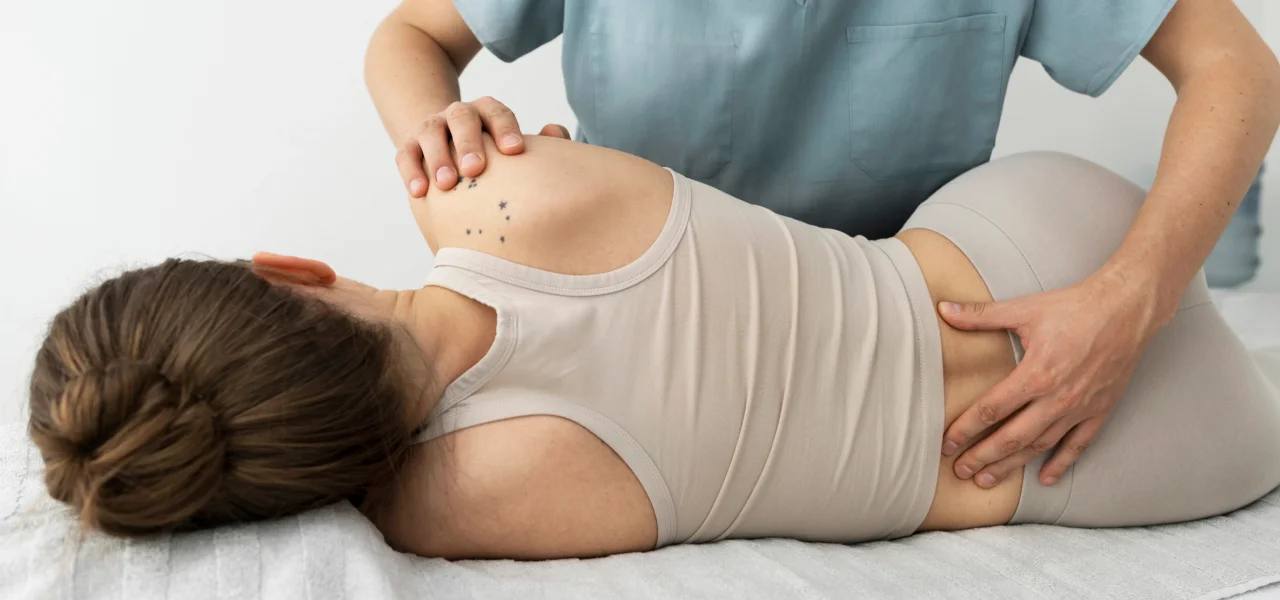
Postural misalignment can lead to a variety of health issues, from chronic pain and muscle tension to decreased mobility and poor body mechanics. Structural Integration (SI), often referred to as Rolfing, is a therapeutic approach that focuses on realigning the bodys structure, particularly by working with the fasciathe connective tissue that surrounds and supports muscles, bones, and organs. This hands-on, deep tissue method helps restore proper posture and overall balance, addressing the underlying causes of postural misalignment and offering long-term benefits for both body function and movement.
Understanding Structural Integration
Structural Integration is a form of bodywork that focuses on improving the alignment of the bodys musculoskeletal system by manipulating the fascia. Developed by Dr. Ida Rolf, this method involves a series of sessions where practitioners apply deep tissue techniques to the bodys connective tissues to release tension, re-align the structure, and promote better movement.
Unlike traditional massage, which typically focuses on muscle relaxation, Structural Integration works with the entire body, considering how the fascia, muscles, joints, and bones work together to support the bodys alignment. It aims to create a balanced, more efficient structure that minimizes stress on the body and allows for freer, more fluid movement.
How Structural Integration Helps with Postural Realignment
Releasing Fascial Tension and Restrictions
Fascia is a web-like connective tissue that surrounds and connects muscles, bones, and organs. Over time, due to factors like poor posture, stress, repetitive movement, or injury, the fascia can become tight and restricted. These adhesions or tight spots in the fascia can pull the body out of alignment, leading to poor posture.
Structural Integration targets these areas of tension, using deep tissue manipulation to release the fascial restrictions. As the fascia is released, the bodys structure is able to realign itself more naturally. This alleviates the strain caused by poor posture and allows for better balance, symmetry, and alignment across the body.
Improving Spinal Alignment
The spine is a central component of the bodys posture, and any misalignment in the spine can have cascading effects on the rest of the body. Structural Integration works by addressing the entire length of the body, starting from the feet and working upward toward the head, which helps to gradually realign the spine.
Osteopaths and Structural Integration practitioners pay particular attention to the way the spine functions in relation to the rest of the body. They use techniques that help to loosen tight muscles around the spine, relieve tension in the neck and shoulders, and correct misalignments. By improving spinal alignment, SI promotes a more upright and stable posture, reducing the risk of discomfort, headaches, and muscle strain.
Correcting Postural Imbalances
Many individuals suffer from postural imbalances where certain parts of the body become overstretched, while others become overly tight. For example, forward head posture, rounded shoulders, or swayback can result from sitting for long periods, improper ergonomics, or muscle imbalances.
Structural Integration helps identify these postural imbalances and corrects them by rebalancing the muscles and fascia throughout the body. Through a series of techniques, the practitioner works to realign areas of the body that are out of balance, such as the pelvis, hips, shoulders, and spine. As a result, the body adopts a more natural and symmetrical alignment that reduces unnecessary strain on muscles and joints, leading to improved posture.
Redistributing Weight and Improving Symmetry
Poor posture often leads to uneven weight distribution, where one side of the body bears more weight than the other. This can cause muscle imbalances, strain, and pain. Structural Integration helps redistribute the bodys weight more evenly by restoring balance to the fascial system.
By realigning the bodys structure, SI helps the muscles, joints, and bones to work together more efficiently, leading to better posture and more even weight distribution. This not only alleviates pressure on certain areas of the body but also improves overall body symmetry, making it easier to maintain a healthy posture throughout daily activities.
Restoring the Natural Curves of the Spine
The spine has natural curves that are essential for supporting the bodys weight and maintaining proper posture. When these curves are misaligned due to poor posture or injury, it can lead to back pain, discomfort, and stiffness. Structural Integration works to restore these natural curves by releasing tension in the surrounding muscles and fascia.
By realigning the bodys structure and restoring the natural spinal curves, SI reduces the strain on the vertebrae and muscles, helping to alleviate back pain and improving overall posture. This allows for better body mechanics and greater ease of movement.
Improving Flexibility and Mobility
Postural misalignment often comes with a decrease in flexibility and range of motion. Tight muscles and fascia can limit movement, making it harder to maintain good posture. Through Structural Integration, these tight areas are targeted and released, promoting greater flexibility and a wider range of motion.
As flexibility improves, the bodys ability to maintain proper alignment becomes easier. This makes it less likely for the individual to slip back into old habits of poor posture, and it encourages better movement patterns that support the spine, pelvis, and joints in their optimal positions.
Enhancing Body Awareness
One of the key benefits of Structural Integration is the improvement in body awareness. As the therapist works through the layers of fascia and muscles, they help the individual become more conscious of their posture and alignment. This heightened awareness allows individuals to make corrections to their posture throughout the day and avoid habits that may lead to misalignment or pain.
Through regular SI sessions, individuals learn how to maintain proper alignment on their own, ensuring long-term improvements in posture and overall body mechanics.
The 10-Series: A Structured Approach to Postural Realignment
Structural Integration is typically delivered in a series of 10 sessions, each focusing on different areas of the body. The 10-Series is progressive, with each session building upon the previous one to achieve lasting postural changes. The sessions generally focus on:
Restoring balance and lengthening the bodys fascial structure.
Realigning the spine and addressing specific postural imbalances.
Enhancing body awareness to promote self-correction.
Integrating functional movement patterns to support proper alignment in daily activities.
Long-Term Benefits of Postural Realignment through Structural Integration
Reduced Pain and Discomfort: Proper alignment reduces the strain on muscles, joints, and ligaments, minimizing the risk of pain.
Improved Balance and Coordination: Postural realignment leads to better overall balance, reducing the risk of falls or injuries.
Increased Energy and Vitality: A well-aligned body functions more efficiently, helping to conserve energy and improve overall vitality.
Enhanced Movement Efficiency: Proper alignment promotes smoother and more efficient movement patterns, improving athletic performance or daily functional tasks.
Reduced Risk of Future Injury: By correcting postural issues, Structural Integration helps to prevent the development of future musculoskeletal problems.
Conclusion: Structural Integration for Postural Realignment
Structural Integration is an effective and holistic approach to improving posture and overall body alignment. By addressing fascial restrictions, restoring balance, and correcting postural imbalances, SI helps individuals achieve lasting improvements in posture, mobility, and overall body function. Whether you’re dealing with chronic pain, poor posture, or simply want to maintain optimal health, Structural Integration offers a powerful tool fo