How Structural Integration Helps with Posture Correction and Pain Relief explores targeted strategies for recovery. Discover new paths to mobility, healing, and personalized care.

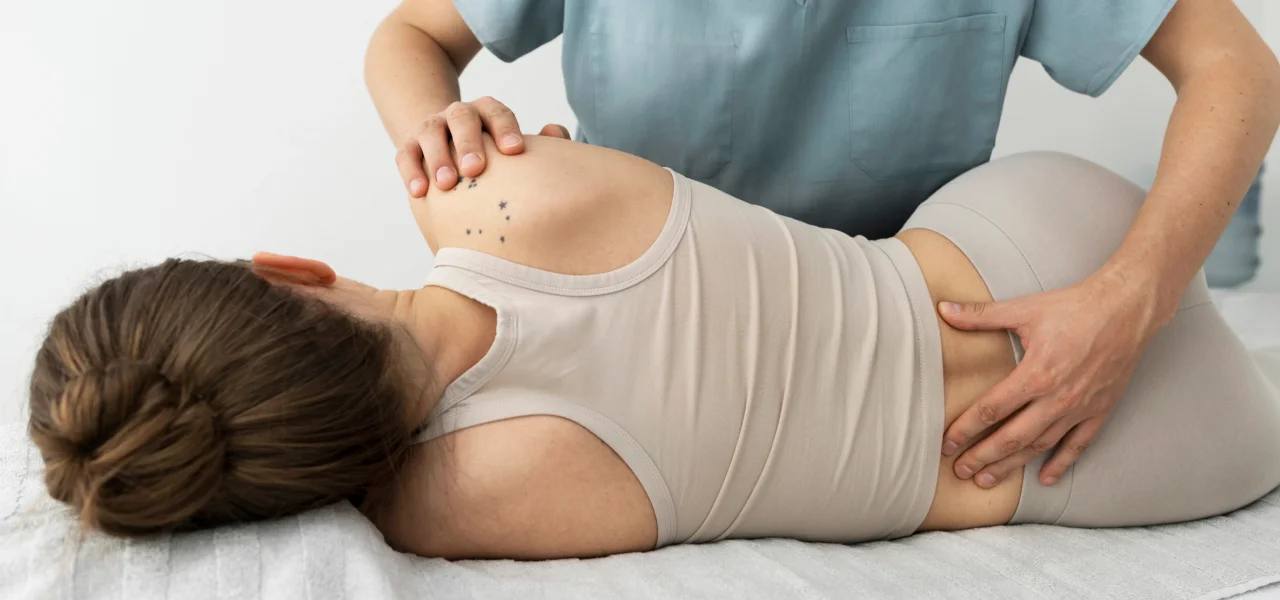
Structural Integration (SI), commonly known as Rolfing, is a holistic approach to bodywork that focuses on improving posture, alignment, and overall musculoskeletal function through deep manipulation of the fasciathe connective tissue that surrounds muscles, bones, and organs. Poor posture, whether due to lifestyle factors, injury, or muscle imbalances, can lead to a host of issues such as pain, discomfort, and limited movement. Structural Integration aims to correct these imbalances, restore proper alignment, and alleviate pain, offering long-term relief by addressing the root causes of musculoskeletal dysfunction.
Heres how Structural Integration helps with posture correction and pain relief:
1. Realigning the Bodys Structure
One of the primary goals of Structural Integration is to correct body misalignments, particularly in the spine, pelvis, and shoulders. Poor posture often results from misalignments in these key areas, which can lead to imbalances in muscle function, restricted movement, and chronic pain.
Spinal Alignment: The spine plays a crucial role in maintaining posture and supporting the bodys weight. Misalignments in the spine can cause uneven pressure on muscles and joints, leading to discomfort, pain, and restricted movement. Structural Integration helps to realign the spine, improving posture and relieving the strain placed on muscles and joints.
Pelvic Alignment: The pelvis is another important area in posture and alignment. Misalignments in the pelvis can cause shifts in the spine and lead to back pain, hip pain, and other issues. SI works to restore the pelvic alignment, which in turn helps improve posture and alleviate pain caused by misalignment.
Through deep tissue manipulation and fascial release, Structural Integration helps bring the body back into balance, leading to improved posture and pain relief.
2. Releasing Fascial Restrictions
Fascia is the connective tissue that surrounds and supports muscles, bones, and organs. When fascia becomes tight or restricted due to injury, poor posture, or repetitive movements, it can cause pain, stiffness, and limited movement. Structural Integration targets these fascial restrictions by applying deep pressure to release tension in the fascia.
As the fascia is released, the bodys natural alignment is restored, and muscles and joints are able to function more efficiently. This release of fascial tension helps reduce pain in areas such as the neck, back, shoulders, and hips, as well as improving overall posture.
3. Restoring Muscle Balance
Muscle imbalances are often a major contributing factor to poor posture and pain. For example, tight muscles in the chest and upper back can cause rounded shoulders and forward head posture, while weak muscles in the core and lower back can lead to lower back pain. Structural Integration helps correct these imbalances by releasing tight muscles, strengthening weak ones, and realigning the body.
Through techniques such as myofascial release, deep tissue manipulation, and muscle energy techniques, Structural Integration helps to relax tight muscles and activate underused muscles. By restoring muscle balance, SI improves posture, reduces strain, and relieves pain, allowing for more efficient movement and better overall function.
4. Improving Joint Mobility and Flexibility
When muscles and fascia become tight or restricted, it often leads to reduced flexibility and joint mobility, contributing to poor posture and pain. For example, tight hip flexors or hamstrings can affect the alignment of the pelvis and spine, leading to lower back pain and discomfort.
Structural Integration helps to release tension and increase flexibility by working directly on the muscles and fascia around the joints. By restoring the natural length and elasticity of muscles, SI improves the range of motion in the joints, reducing stiffness and pain. Improved flexibility and joint mobility allow the body to move more freely and in better alignment, which helps prevent the development of chronic pain.
5. Correcting Postural Habits
Many of us develop poor postural habits over time, often due to repetitive activities or prolonged sitting. These habits can lead to muscle imbalances and strain on the body, contributing to discomfort and pain. Structural Integration helps individuals become more aware of their posture and teaches them how to correct poor movement patterns.
During SI sessions, clients are encouraged to pay attention to how they hold themselves and how they move, which helps them understand the relationship between their posture and pain. This heightened body awareness allows individuals to adopt better posture and movement habits, reducing the risk of pain and improving overall function in the long term.
6. Alleviating Chronic Pain
Chronic pain, particularly in the back, neck, and shoulders, is often a result of poor posture and misalignment. Structural Integration addresses the underlying causes of chronic pain by realigning the body, releasing fascial tension, and improving muscle balance. By restoring proper alignment, SI helps reduce strain on muscles and joints, alleviating discomfort and promoting long-term pain relief.
In addition to providing relief from existing pain, Structural Integration helps prevent the recurrence of pain by teaching individuals how to maintain proper posture and movement patterns. This helps individuals manage and minimize chronic pain without relying on medication or invasive treatments.
7. Enhancing Circulation and Healing
Poor circulation is often a contributing factor to muscle stiffness, joint pain, and discomfort. Structural Integration enhances circulation by improving the mobility of muscles and fascia, which helps promote the flow of oxygen and nutrients to the tissues while removing waste products. Enhanced circulation supports the bodys natural healing process, reduces inflammation, and speeds up recovery from injury.
Improved circulation also helps relax tight muscles and reduce the buildup of metabolic waste, which can contribute to pain and stiffness. By improving blood flow, Structural Integration promotes tissue repair, reduces pain, and supports long-term health and mobility.
8. Supporting Overall Function and Well-being
By improving posture, releasing tension, and restoring muscle balance, Structural Integration not only alleviates pain but also enhances overall function and well-being. With improved alignment and movement efficiency, individuals experience less discomfort, increased mobility, and a greater sense of vitality. The holistic nature of SI supports the bodys ability to heal itself, leading to better physical and emotional health.
Structural Integrations focus on the body as a whole helps individuals not only relieve pain but also improve their quality of life, making it an effective long-term solution for pain management and overall health.
Conclusion: Structural Integration for Posture Correction and Pain Relief
Structural Integration is a powerful tool for correcting poor posture, alleviating pain, and restoring overall musculoskeletal health. Through a combination of deep tissue manipulation, myofascial release, and muscle balancing, SI addresses the underlying causes of poor posture and chronic pain, offering long-term relief and improved function. Whether dealing with back pain, shoulder discomfort, or postural imbalances, Structural Integration provides a holistic and effective approach to restoring the bodys alignment, relieving pain, and enhancing overall well-being.