How Structural Integration Helps with Stress-Related Pain and Tension explores targeted strategies for recovery. Discover new paths to mobility, healing, and personalized care.

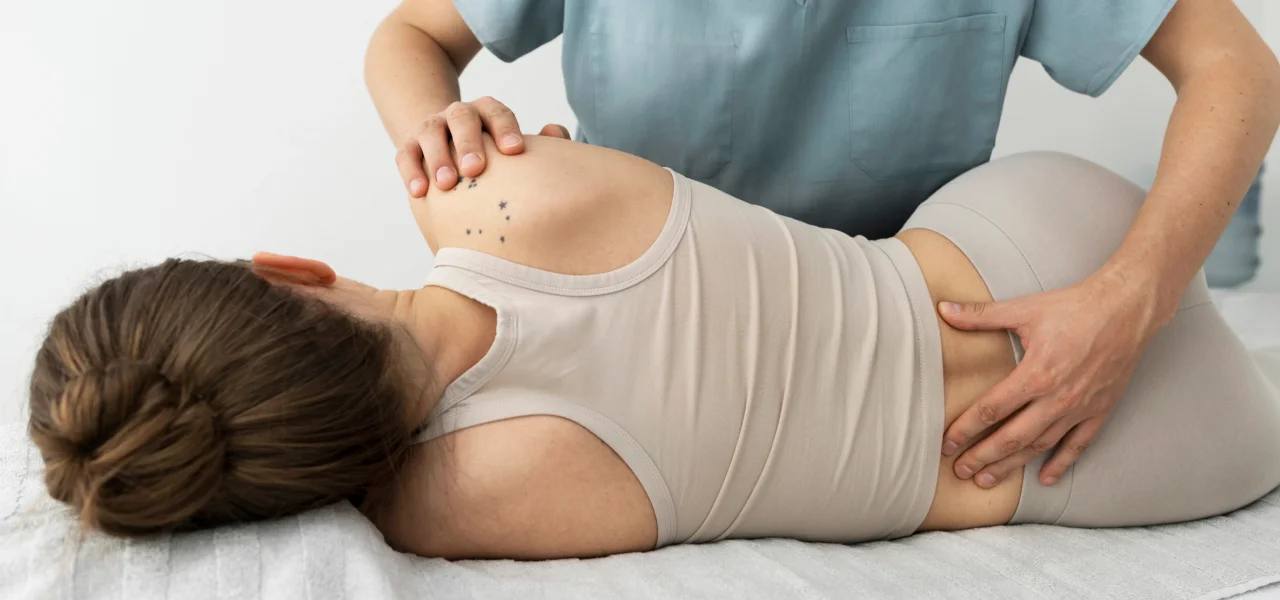
Stress is more than just a mental or emotional experienceits something your body feels, too. When youre under stress, your muscles tighten, your breathing shortens, and tension builds up in areas like the neck, shoulders, and back. Over time, this can lead to chronic pain, stiffness, and even fatigue.
Structural Integration (SI) offers a unique, hands-on approach to help you release this stored tension, realign your body, and find deep relaxationboth physically and emotionally.
Why Does Stress Cause Pain and Tension?
When your body reacts to stress, it goes into fight or flight mode, tightening muscles to protect itself. While this is helpful in short bursts, chronic stress keeps muscles contracted, reduces blood flow, and restricts movement. Fasciathe connective tissue surrounding muscles and organscan also become sticky and less flexible, locking in tension.
This can result in:
Neck and shoulder stiffness
Headaches
Lower back pain
Jaw clenching and TMJ issues
Generalized muscle tightness and discomfort
How Structural Integration Supports Stress Relief
1. Releases Deep Fascial Restrictions
SI works gently but deeply on the fascia to unwind tightness caused by prolonged stress. This allows muscles to relax and improves circulation, helping your body flush out stress-related toxins.
2. Restores Structural Balance
Stress often causes you to hold your body in protective postures (like hunching or bracing). SI helps realign your body, reducing strain on muscles and joints and making it easier to hold a relaxed posture.
3. Enhances Body Awareness
Through SI, you become more conscious of how you carry tension. This increased awareness helps you identify and change habits that contribute to stress buildup.
4. Improves Breathing and Nervous System Function
SI releases restrictions around the ribs and diaphragm, encouraging deeper, fuller breathing. This activates the parasympathetic nervous system, your bodys rest and digest mode, promoting calm and relaxation.
5. Supports Emotional Release
Because the body stores emotional stress as well as physical tension, many people find SI sessions emotionally freeinghelping them release pent-up feelings and feel more grounded.
Who Benefits Most from SI for Stress-Related Pain?
People with chronic neck, shoulder, or back pain linked to stress
Those suffering from tension headaches or migraines
Individuals feeling tight or fatigued from emotional stress
Anyone seeking a holistic way to relax and unwind
Final Thoughts
Stress-related pain and tension dont have to control your life. Structural Integration offers a compassionate, effective way to release whats stuck, rebalance your body, and restore a sense of calm and ease. By addressing the physical and emotional layers of stress, SI helps you move toward deeper relaxation and lasting relief.