How Structural Integration Improves Flexibility and Athletic Performance explores targeted strategies for recovery. Discover new paths to mobility, healing, and personalized care.

Athletes know that power, endurance, and speed matterbut fluid, unrestricted movement is what ties it all together. Whether youre sprinting down the field, lifting weights, or perfecting your yoga flow, your bodys structural alignment plays a massive role in how efficiently you move.
Thats where Structural Integration (SI) steps in. This hands-on bodywork technique is designed to realign and rebalance your entire bodyimproving flexibility, reducing injury risk, and elevating your overall athletic performance.
What Is Structural Integration?
Structural Integration is a form of manual therapy that focuses on the fasciathe connective tissue that wraps around your muscles, bones, and organs. Over time, due to training, injury, posture, or even stress, fascia can become tight, sticky, or misaligned.
SI practitioners use slow, precise pressure and movement to release fascial restrictions, helping your body return to a more natural, functional state of balance.
Why Fascia Matters for Athletes
Fascia isn’t just wrapping paper for your musclesit’s part of a dynamic system that:
Transmits force through your body
Stabilizes your joints
Coordinates movement
Stores and releases energy (yes, fascia has spring-like properties!)
When fascia is restricted or out of alignment, your muscles have to work harder to compensate. That can lead to tightness, poor flexibility, inefficient movement patterns, and injuries.
Structural Integration helps restore fascias natural elasticity and alignment, so your body can move as one coordinated, high-performing unit.
Benefits of Structural Integration for Flexibility & Performance
Heres how SI can take your training and performance to the next level:
?? Increases Functional Flexibility
Forget static stretching that just targets surface-level tension. SI works deep into fascial layers, unwinding tight, stuck tissue and allowing muscles to lengthen more naturally and effortlessly.
?? Improves Movement Efficiency
When your body is properly aligned, movement becomes smoother and more efficient. Youll use less energy to do more work, whether youre running, lifting, or performing complex movements.
?? Enhances Body Awareness (Proprioception)
SI helps you tune into how your body moves and where it might be compensating. This improved body awareness can refine your technique and prevent sloppy or injury-prone movements.
?? Reduces Injury Risk
Misalignments and fascial restrictions often lead to strain in vulnerable areas like the knees, shoulders, or lower back. SI balances the load across your body so no one muscle group is overworked.
?? Speeds Recovery
By improving circulation and lymphatic flow, SI helps the body flush out metabolic waste and recover faster from intense training or competition.
?? Boosts Overall Athletic Performance
When your body is aligned, flexible, and firing on all cylinders, you move with more power, agility, and control. Whether you’re chasing a personal best or just training smarter, structural integration helps unlock your full potential.
Ideal For:
Runners & triathletes
Dancers & gymnasts
Martial artists & fighters
Weightlifters & CrossFit athletes
Yogis & pilates practitioners
Weekend warriors looking to move and feel better
Even if you’re not a pro athlete, SI can help anyone who wants to move more freely, reduce pain, and improve performance.
What to Expect in a Structural Integration Session
SI is typically offered as a series of sessions (often 1012), each building on the last. Sessions involve:
Postural and movement assessment
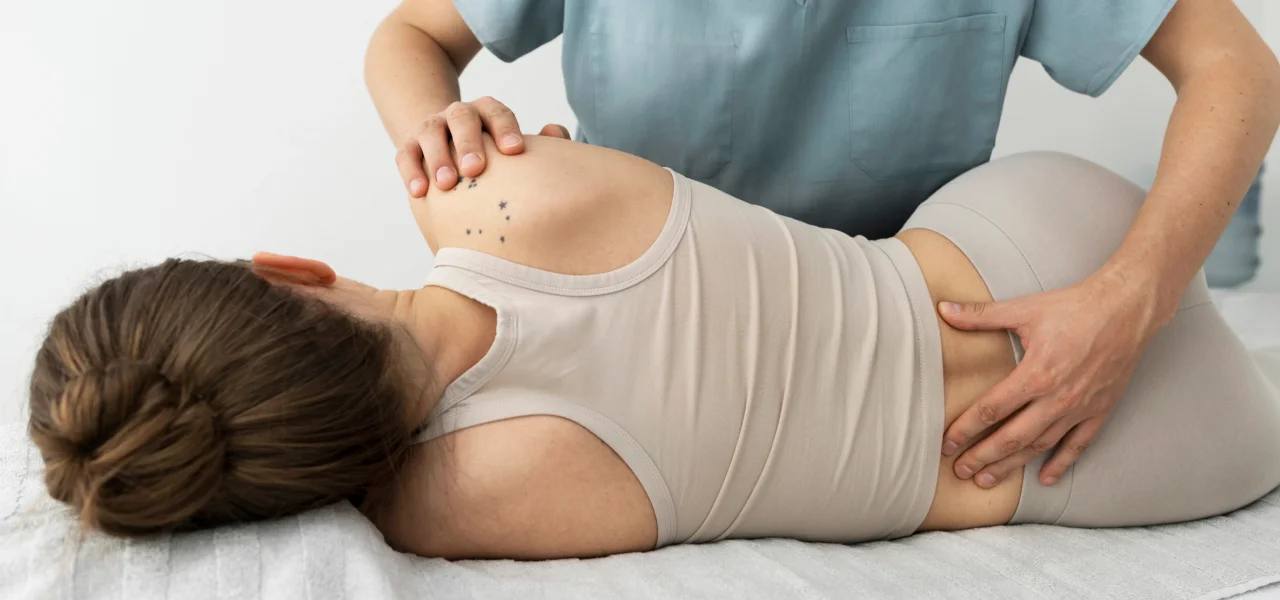
Hands-on fascial work (on a table and sometimes in standing/movement positions)
Guidance on posture and body mechanics
Gradual re-education of how your body supports and moves itself
Dont expect a quick massageSI is slow, focused, and deeply therapeutic. Its not always relaxing, but its incredibly transformative.
Final Thoughts
If youre stretching endlessly without results, pushing through stiffness, or feeling stuck in your training, it might not be your musclesit might be your fascia.
Structural Integration offers a powerful, body-wide reset that frees up movement, enhances performance, and keeps you doing what you lovestronger, smoother, and injury-free.
Your best athletic self is waiting. SI helps you move like youre meant to.