How Structural Integration Improves Full-Body Function explores targeted strategies for recovery. Discover new paths to mobility, healing, and personalized care.

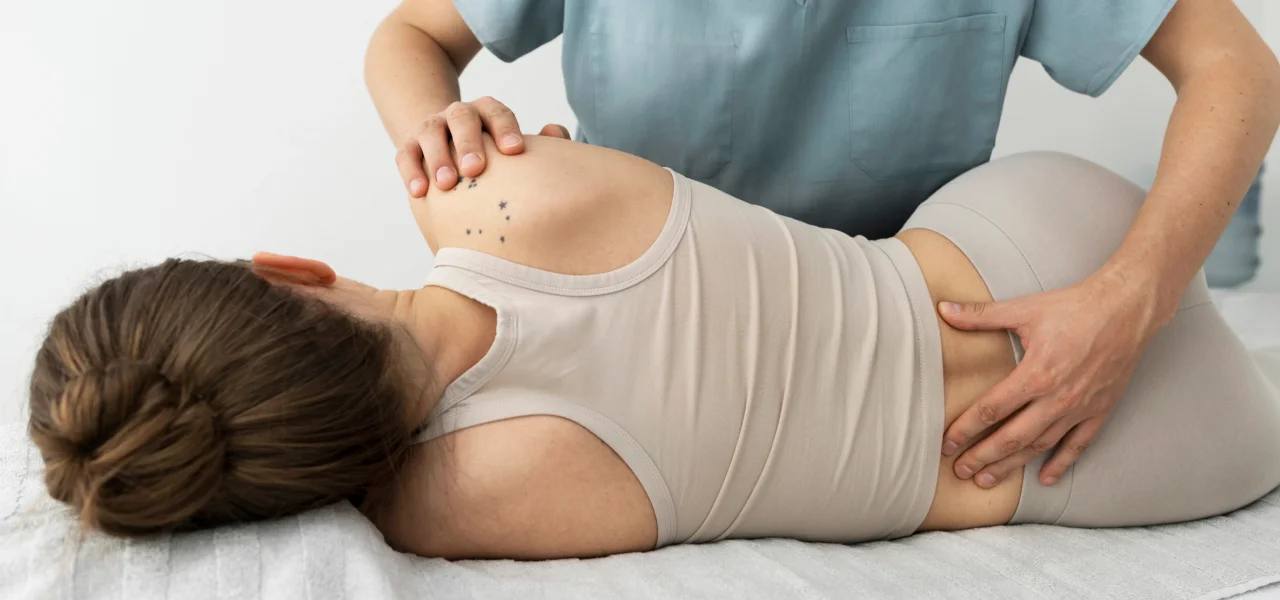
Structural Integration (SI) is an advanced therapeutic approach that focuses on the manipulation and reorganization of the body’s connective tissue, or fascia, to improve overall alignment, mobility, and function. Developed by Dr. Ida Rolf in the 1950s, Structural Integration is often referred to as “Rolfing” after her name, and it is recognized for its holistic approach to addressing postural imbalances, chronic pain, and movement inefficiencies. By working to realign the body’s structure, Structural Integration offers profound benefits that extend beyond relief from physical discomfortit helps improve full-body function and enhances overall well-being.
Understanding Structural Integration
At its core, Structural Integration involves a series of deep tissue manipulations that target the fascia, the web of connective tissue that surrounds muscles, bones, and organs throughout the body. Fascia plays a crucial role in maintaining the bodys structure, providing support, and facilitating movement. When fascia becomes tight, misaligned, or restricted due to injury, stress, or poor posture, it can impair movement and lead to discomfort.
SI therapists use hands-on techniques to release tension and reorganize the fascia, which restores balance and improves the function of the body as a whole. Unlike conventional massage therapy, which focuses on muscles alone, Structural Integration aims to improve the bodys structural alignment and optimize its efficiency by working on the entire fascial network.
Key Benefits of Structural Integration for Full-Body Function
Improved Posture and Alignment
One of the main goals of Structural Integration is to achieve better postural alignment. Misalignments in the bodys structure can lead to chronic pain, tension, and inefficient movement patterns. By addressing these misalignments through SI, individuals can experience improved posture, which enhances overall body function. Good posture helps to distribute weight evenly, reducing strain on the joints and muscles, and it can also contribute to improved breathing and circulation.
Enhanced Mobility and Flexibility
Fascia that is tight or restricted can limit mobility and flexibility, affecting the bodys range of motion. Structural Integration helps to release fascial restrictions, promoting greater flexibility and a wider range of movement. By improving the bodys natural alignment, SI allows for smoother, more efficient movement and enhances the bodys ability to perform various physical tasks, from everyday activities to athletic performance.
Pain Relief and Chronic Pain Management
Fascia plays a significant role in the development of chronic pain conditions. Tight or misaligned fascia can contribute to conditions like back pain, shoulder tension, and headaches. Structural Integration targets these areas of tension and helps to release the adhesions or restrictions in the fascia that are often the root cause of pain. As the fascia is reorganized, individuals often experience relief from chronic pain, as well as a reduction in muscular tension and discomfort.
Improved Balance and Coordination
Structural Integration doesnt just address physical pain; it also works on improving coordination and balance. By realigning the bodys structure and enhancing the functioning of the fascial system, SI can help individuals move with more ease and fluidity. This is particularly beneficial for athletes, dancers, or anyone looking to improve their physical performance. When the body is in better alignment, balance and coordination are improved, leading to a more efficient and functional movement pattern.
Increased Energy and Vitality
When the body is in proper alignment and fascia is free from restrictions, energy flows more efficiently throughout the body. The bodys systems, including the circulatory, lymphatic, and nervous systems, are able to function optimally. As a result, individuals often experience increased energy levels and a greater sense of vitality. Structural Integration helps the body to move with more ease and less resistance, allowing it to perform at its best.
Restored Functional Movement Patterns
Over time, poor posture, habitual movement patterns, and injury can lead to compensatory movement patterns that disrupt the bodys natural flow. Structural Integration works to correct these dysfunctional movement patterns by re-educating the body on how to move properly. By releasing restrictions in the fascia and realigning the body, SI helps individuals to regain proper movement patterns that are more efficient and functional. This can lead to improvements in daily activities and athletic performance, as well as a reduction in the risk of future injury.
The 10-Series: A Systematic Approach to Full-Body Function
Structural Integration is typically delivered in a series of 10 sessions, known as the 10-series. Each session targets a specific area of the body, gradually working through the fascial system to achieve lasting improvements in alignment, posture, and function. The sessions are progressive, with each one building on the previous one, and they are customized to meet the individual needs of the client.
The 10-series is designed to:
Establish a foundation of good posture and alignment
Release fascial restrictions throughout the body
Restore balance in the bodys structure
Optimize movement patterns for improved function and performance
How Structural Integration Supports Long-Term Wellness
The effects of Structural Integration are not just short-term fixesthey can have lasting benefits for the body. By addressing the root causes of discomfort and imbalances, SI helps individuals establish better movement habits that can be maintained for years to come. This results in fewer injuries, improved posture, greater flexibility, and enhanced physical performance. Structural Integration also empowers individuals to take an active role in their wellness by teaching them how to move with awareness and efficiency.
Conclusion
Structural Integration is a powerful therapeutic approach that targets the fascial system to improve full-body function. By realigning the bodys structure, enhancing mobility, and releasing restrictions in the fascia, SI offers a holistic solution to chronic pain, poor posture, limited flexibility, and inefficient movement patterns. Whether youre dealing with long-term pain or simply want to improve your overall physical function, Structural Integration can be a transformative tool for enhancing your bodys alignment, movement, and vitality.