How Structural Integration Improves Functional Movement and Performance explores targeted strategies for recovery. Discover new paths to mobility, healing, and personalized care.

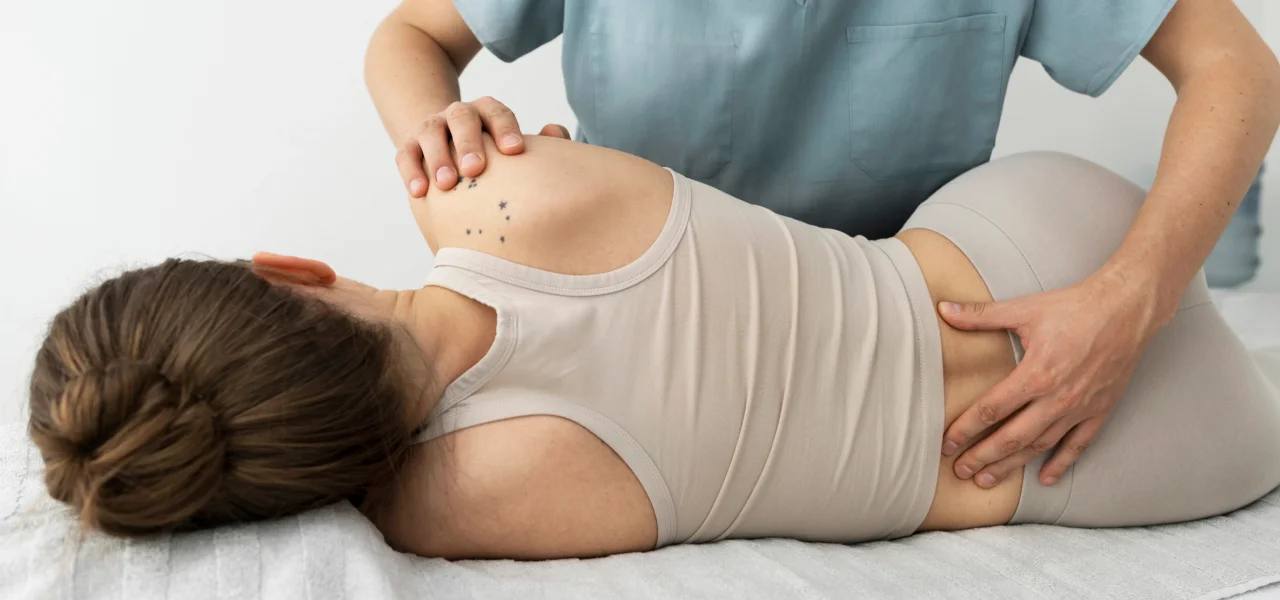
Structural Integration (SI), also known as Rolfing, is a form of bodywork that focuses on manipulating the fasciathe connective tissue that surrounds muscles, bones, and organsto restore balance and improve the bodys alignment. SI aims to enhance posture, reduce pain, and improve functional movement patterns. By addressing the fascial system, which plays a key role in movement and stability, Structural Integration improves the bodys overall efficiency, flexibility, and performance.
For athletes or anyone seeking to improve their daily movement, SI offers significant benefits by optimizing the bodys biomechanics, promoting better movement efficiency, and supporting overall performance. Here’s how Structural Integration works to improve functional movement and enhance performance:
1. Restoring Proper Alignment
Alignment is key to efficient and effective movement. When the body is misaligned, whether due to injury, poor posture, or habitual movement patterns, it can place undue strain on muscles and joints. Over time, this misalignment can lead to pain, stiffness, and restricted movement, ultimately affecting performance.
Structural Integration addresses misalignments by realigning the bodys structure, particularly the spine, pelvis, and shoulders, which are foundational for movement. By using deep tissue manipulation to release fascial restrictions and realign bones and joints, SI helps the body return to its natural position, making it easier to move efficiently and with less effort.
Proper alignment ensures that movement is more fluid, and energy is distributed more evenly throughout the body. This improvement in alignment helps to prevent compensations that can lead to discomfort or injury, resulting in better overall performance in both athletic activities and daily movements.
2. Enhancing Range of Motion
Limited range of motion is a common issue caused by muscle tightness, joint stiffness, or fascial restrictions. These limitations can restrict functional movement and affect performance, particularly in activities that require flexibility and mobility, such as running, dancing, or lifting.
Structural Integration helps increase the range of motion by addressing the fascial restrictions that limit movement. Techniques like myofascial release and joint mobilization are used to break down adhesions and improve the flexibility of muscles and connective tissues. As a result, joints are able to move more freely, muscles lengthen more easily, and the bodys overall range of motion is improved.
An increased range of motion allows for smoother, more coordinated movement patterns, improving athletic performance and reducing the risk of injury by enabling the body to perform movements more efficiently.
3. Releasing Muscle Tension and Reducing Stiffness
Chronic muscle tension or stiffness can limit functional movement and reduce overall performance. This often occurs due to poor posture, repetitive movements, or injury. Structural Integration works to release muscle tightness and reduce stiffness by targeting the fascia and muscles.
Using techniques such as deep tissue manipulation and trigger point therapy, SI helps to release tight muscles and restore normal muscle function. These techniques improve blood flow to the muscles, reduce muscle fatigue, and help prevent injuries caused by excessive tension or overuse.
By addressing muscle tension and stiffness, SI allows for more fluid and efficient movement, which is crucial for athletic performance and daily functional tasks.
4. Improving Postural Awareness and Balance
Posture is closely linked to functional movement and performance. Poor posture can lead to imbalances, such as uneven muscle tension, which affects movement efficiency and increases the risk of injury. For example, rounded shoulders or a forward head posture can place strain on the back and neck, making it difficult to move effectively.
Structural Integration not only helps correct postural imbalances by realigning the spine, pelvis, and shoulders, but also increases postural awareness. By enhancing body awareness, SI helps individuals recognize and correct poor posture habits, both during exercise and in everyday activities.
Improving posture and balance supports better movement mechanics, reduces muscle strain, and enhances overall functional movement, leading to improved performance and a reduced risk of injury.
5. Promoting Better Movement Patterns
Structural Integration focuses on improving the way the body moves as a whole. Misalignments and imbalances in one area of the body can affect the entire kinetic chain, leading to compensatory movements that are inefficient and potentially harmful. These compensations can result in increased wear and tear on joints and muscles, ultimately affecting performance.
By addressing fascial restrictions, muscle imbalances, and poor posture, SI promotes more efficient and balanced movement patterns. The treatment helps the body move as a coordinated system, with muscles and joints working in harmony. As a result, movement becomes more fluid and efficient, improving performance and reducing the likelihood of injury.
Whether in sports or daily activities, efficient movement patterns optimize energy expenditure and increase the bodys functional capacity.
6. Enhancing Flexibility and Mobility
Flexibility and mobility are essential components of functional movement, particularly in sports that require agility, strength, and endurance. Flexibility allows for a wider range of motion, while mobility refers to the ability of the joints to move freely and without restriction.
Structural Integration helps to increase both flexibility and mobility by releasing tight muscles, fascia, and connective tissue. By targeting areas of restriction and addressing muscle imbalances, SI improves the ability of the body to move with ease. This enhanced flexibility and mobility support better functional movement, making it easier to perform athletic activities, such as sprinting, jumping, and lifting, with less risk of strain or injury.
7. Strengthening Weak Areas and Correcting Imbalances
Muscle imbalanceswhere certain muscles are overactive while others are underactivecan negatively affect both posture and movement, limiting overall performance. For example, weak core muscles or glutes can affect posture and movement during running, squatting, or lifting.
Structural Integration works to address muscle imbalances by releasing tension in tight muscles and activating weaker muscles through specific exercises and manual techniques. Strengthening underactive muscles and releasing tight muscles ensures that the body moves in a balanced and functional way.
By improving muscle balance, SI enhances overall movement patterns and supports better performance by providing optimal support for the joints and bones.
8. Enhancing Overall Body Coordination
Structural Integration improves the way different parts of the body work together as a cohesive unit. The treatment ensures that muscles, joints, and fascia are functioning optimally, enhancing overall body coordination. This improved coordination is key to better performance in athletic activities, as it reduces the effort required for complex movements and increases agility.
Coordinated body movement allows for more precise and controlled actions, improving performance in sports that require quick reflexes, balance, and endurance, such as soccer, basketball, or tennis.
9. Promoting Faster Recovery
Athletes often face the challenge of recovery after intense physical activity. Structural Integration can help accelerate the recovery process by improving circulation, reducing muscle tension, and supporting tissue repair. By enhancing blood flow to the muscles and fascia, SI delivers oxygen and nutrients to tissues, while also helping to flush out metabolic waste products.
By speeding up recovery, SI reduces the likelihood of injury and helps athletes return to their training or performance more quickly and efficiently.
Conclusion: Structural Integration for Functional Movement and Performance
Structural Integration is a powerful tool for improving functional movement and performance. By addressing fascial restrictions, muscle imbalances, joint stiffness, and poor posture, SI optimizes movement patterns, enhances flexibility, and promotes better body coordination. These improvements lead to better overall performance in sports and physical activities, as well as a reduced risk of injury.