How Structural Integration Improves Posture and Reduces Tension explores targeted strategies for recovery. Discover new paths to mobility, healing, and personalized care.

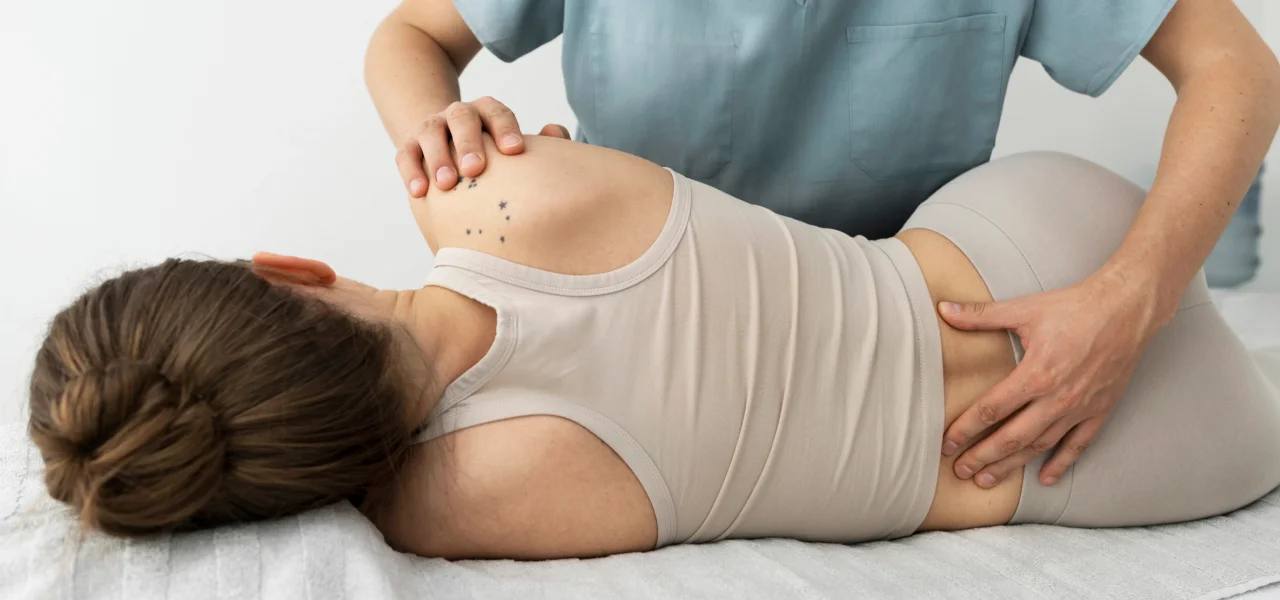
Because good posture isnt about standing up straightits about moving with ease.
Weve all been told to sit up straight or fix your posture, but lets face it: forcing yourself into perfect posture rarely worksand often leaves you feeling stiff and tired. Thats because posture isnt just about how you sit or stand, but how your body is organized beneath the surface. And thats exactly what Structural Integration is designed to improve.
This hands-on, fascia-focused approach goes beyond temporary fixes to help your body find its natural alignment, relieve built-up tension, and support a posture that feels as good as it looks.
Lets explore how Structural Integration helps you stand taller, breathe easier, and feel more at home in your body.
First, What Is Structural Integration?
Structural Integration (SI) is a form of bodywork that works with your fasciathe connective tissue that wraps around muscles, bones, and organs. Over time, this tissue can become tight, stuck, or unbalanced due to things like injury, stress, poor posture, or repetitive movements.
SI helps realign the body in gravity by releasing restrictions in the fascia and restoring balance from head to toe. The result? You dont just look more uprightyou actually feel more supported, grounded, and relaxed.
Why Posture Matters
Posture isnt just about appearanceit affects your:
Breathing and lung capacity
Energy levels
Joint health and flexibility
Blood and lymph circulation
Emotional state and confidence
Risk of injury and chronic pain
When your posture is out of alignment, your muscles have to work harder just to hold you upright. That extra effort often leads to chronic tension, especially in your neck, shoulders, back, and hips.
How Structural Integration Helps
Heres how Structural Integration creates lasting changes in your posture and relieves muscle tension:
1. Releases Fascia Thats Pulling You Out of Shape
Fascia can become thickened or shortened, pulling your body into imbalanced patterns. SI uses deep, slow manual techniques to lengthen and soften the fascia, allowing your body to shift back into a more neutral, effortless alignment.
2. Unwinds Long-Held Compensations
Over time, we all develop movement habitssome helpful, others not so much. SI identifies these compensations (like one shoulder higher than the other or a forward-tilting pelvis) and works to unwind them, bringing your structure back into balance.
3. Balances Tension Throughout the Body
A tight neck or sore back often isn’t the root issueit’s a symptom of imbalance somewhere else. SI looks at the whole picture and distributes tension more evenly, so no one area is overworked. Thats what makes the relief feel so deep and long-lasting.
4. Improves Body Awareness and Postural Habits
SI isnt just passive. Youll start noticing how you sit, stand, and moveoften for the first time. That awareness helps you break unconscious patterns and replace them with better ones, naturally supporting a more upright and relaxed posture.
5. Enhances Breathing and Energy
When your posture improves, your ribcage and diaphragm can expand more fully. That means better oxygen flow, more energy, and even less stressbecause deep breathing helps calm the nervous system and reduce muscular tension.
What You Might Notice After Structural Integration:
You feel tallerbut without trying
Shoulders sit more naturally, not hunched
Your neck and back feel looser
Breathing is deeper and easier
Movement feels more fluid and graceful
Theres a sense of ease just standing or walking
Realignment = Real Relief
Structural Integration doesnt just treat tensionit transforms the structure that causes it. Instead of fighting gravity, youll feel supported by it. Instead of forcing posture, youll embody it.
Its a subtle shift that creates powerful results.
Final Thoughts
If your body feels weighed down, tense, or constantly off, Structural Integration can help you release whats stuck, realign whats off, and restore a sense of freedom in your posture and movement. Its not about achieving a perfect poseits about finding the balance thats already built into your body, just waiting to be uncovered.