How Structural Integration Improves the Body’s Flexibility and Strength explores targeted strategies for recovery. Discover new paths to mobility, healing, and personalized care.

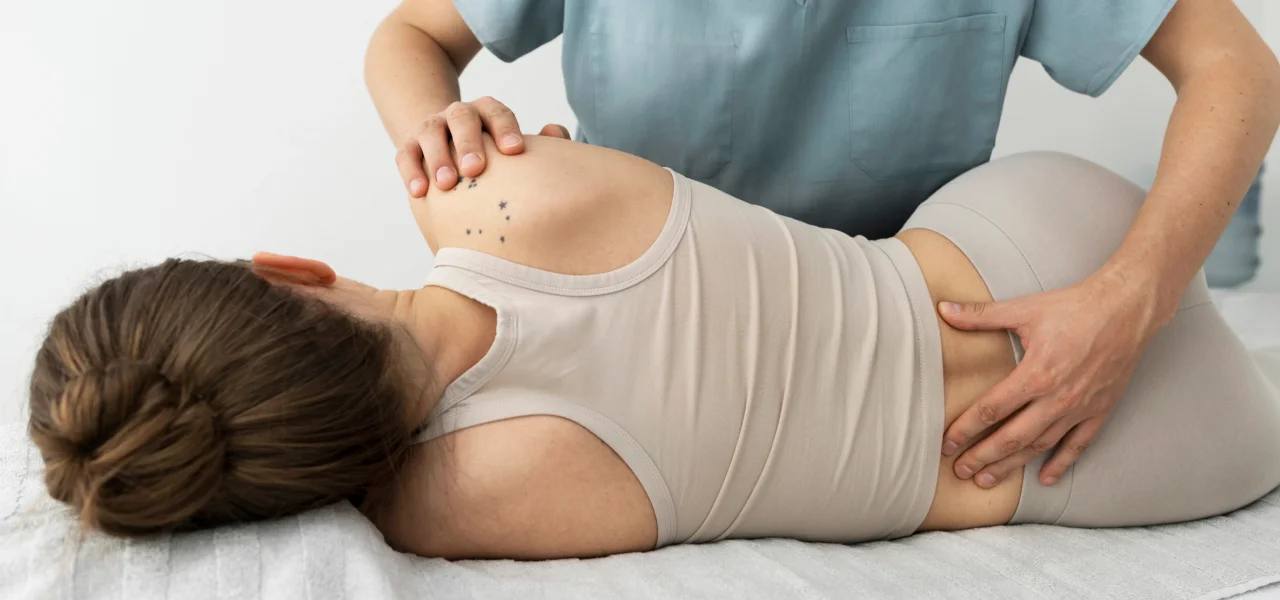
Structural Integration (SI), often referred to as Rolfing, is a therapeutic approach that focuses on the fascia, the connective tissue that surrounds muscles, bones, and organs. The primary goal of SI is to align and balance the bodys structure by manipulating the fascia, improving posture, and optimizing movement patterns. This process enhances both flexibility and strength by releasing fascial restrictions, correcting misalignments, and restoring efficient movement. Through a series of deep tissue manipulations and myofascial releases, SI enables the body to move more freely, function better, and support itself more efficiently.
Heres how Structural Integration works to improve flexibility and strength:
1. Releasing Fascial Restrictions and Increasing Flexibility
Fascia is a dense, web-like tissue that connects and supports all of the bodys structures. Over time, fascia can become tight or restricted due to injury, poor posture, stress, or repetitive movement. These restrictions can limit the bodys range of motion and flexibility, leading to discomfort, stiffness, and even injury.
Fascial release is a key component of Structural Integration. By using targeted pressure and deep tissue manipulation, SI therapists work to release tight or restricted fascia. This process increases the tissue’s elasticity and flexibility, allowing muscles and joints to move more freely.
As fascial restrictions are broken down, the body’s natural range of motion is restored, improving flexibility in the muscles, joints, and connective tissues. This enhanced flexibility allows for more fluid movement and reduces the risk of injury caused by stiffness or limited mobility.
2. Realigning the Body and Enhancing Posture
Poor posture and misalignment of the spine, pelvis, or joints can cause muscle imbalances and prevent the body from moving efficiently. Misalignments can lead to stiffness, pain, and discomfort, which in turn affect flexibility and strength.
Postural realignment is one of the core goals of Structural Integration. By addressing misalignments, particularly in the spine and pelvis, SI helps to restore balance in the bodys structure. When the body is aligned properly, muscles can function more effectively and are less likely to become overworked or strained.
Improved posture allows the muscles to work more efficiently, which not only increases flexibility but also reduces unnecessary tension that could inhibit strength. Proper alignment ensures that the muscles and joints function symbiotically, contributing to both greater flexibility and strength.
3. Improving Range of Motion in Joints and Muscles
Restricted joints and tight muscles can significantly limit movement, affecting both flexibility and strength. SI focuses on improving the range of motion in both muscles and joints, allowing the body to move freely and without discomfort.
Joint mobilization techniques used in SI help improve the range of motion in restricted joints, such as the shoulders, hips, knees, and spine. As the joint’s mobility improves, flexibility in the surrounding muscles also increases, enhancing overall movement and functional strength.
Through myofascial release, SI targets the fascia around the muscles, improving flexibility by breaking up adhesions and allowing for greater muscle elongation. This not only enhances flexibility but also enables muscles to generate more force, improving overall strength.
4. Balancing Muscle Strength and Flexibility
In many cases, flexibility and strength are not mutually exclusive but rather depend on each other. Tight muscles may be overactive and weak muscles underactive, leading to imbalances that limit flexibility and strength. Structural Integration helps balance muscle strength and flexibility by addressing both tight and weak muscles in the body.
Myofascial release helps to release tight muscles and fascia, increasing the length and flexibility of the muscles. Simultaneously, SI also focuses on activating weaker muscles that may not be performing optimally, allowing the body to function more efficiently and with more strength.
By improving muscle balance, SI helps ensure that muscles work together in harmony, enhancing the body’s ability to move freely and with power. This balanced approach not only increases flexibility but also ensures that strength is not compromised by compensatory movement patterns or muscle imbalances.
5. Encouraging Functional Movement and Efficiency
Flexibility and strength are most effective when they are applied to functional movement. Structural Integration helps to optimize the way the body moves by improving functional movement patterns and movement efficiency. When the body moves in a fluid, aligned, and efficient manner, it can generate greater strength and flexibility in everyday activities and athletic endeavors.
Postural correction and movement re-education are integral parts of SI. By restoring proper alignment and improving how the body moves, SI helps the muscles and joints work in coordination, reducing strain and improving overall function.
By addressing faulty movement patterns, SI ensures that the body moves more effectively, reducing the risk of injury and maximizing both flexibility and strength in functional movements.
6. Enhancing Core Stability and Strength
The core muscleswhich include the abdominals, lower back, and pelvic musclesare crucial for providing stability, balance, and strength to the body. Weakness or misalignment in the core can limit overall mobility, strength, and flexibility. SI helps to strengthen the core by addressing both structural alignment and muscle function.
Postural realignment and core activation techniques used in Structural Integration work to engage the core muscles and promote better stability throughout the body. A strong, stable core supports efficient movement, enhances strength, and provides a foundation for better flexibility in the limbs and spine.
By strengthening the core and improving posture, SI helps to reduce the risk of injury, supports joint health, and increases overall strength and flexibility throughout the body.
7. Increasing Tissue Health and Recovery
Flexibility and strength are also influenced by the health of the bodys tissues. Structural Integration helps improve the health of muscles, fascia, and joints by improving circulation, reducing inflammation, and promoting tissue repair.
Increased circulation resulting from fascial manipulation and soft tissue release ensures that muscles and joints receive adequate oxygen and nutrients for recovery. Improved tissue health allows for greater flexibility and muscle strength, as tissues can repair and regenerate more efficiently.
Lymphatic drainage techniques used in SI also help to clear metabolic waste products from the tissues, reducing inflammation and promoting recovery. This process allows the body to maintain its strength and flexibility over time, even in the face of physical stress or injury.
8. Long-Term Maintenance of Flexibility and Strength
One of the most significant benefits of Structural Integration is its ability to promote long-term maintenance of flexibility and strength. By regularly addressing fascial restrictions, muscle imbalances, and postural misalignments, SI helps individuals maintain optimal muscle length, flexibility, and strength over time.
Ongoing treatments can help prevent the buildup of fascial restrictions and muscle imbalances that might otherwise lead to reduced flexibility or strength. This ongoing care ensures that the body remains flexible, strong, and resilient, even as individuals age or engage in physical activities that challenge their bodies.
Conclusion: Structural Integration for Flexibility and Strength
Structural Integration offers a holistic approach to improving flexibility and strength by addressing the fascial system, realigning the body, and restoring proper movement patterns. By releasing fascial restrictions, improving joint mobility, and balancing muscle function, SI helps the body move more efficiently, with greater freedom and strength. The focus on structural alignment, postural correction, and functional movement ensures that flexibility and strength are optimized for everyday activities and athletic performance.