How Structural Integration Supports Healing and Prevents Injury explores targeted strategies for recovery. Discover new paths to mobility, healing, and personalized care.

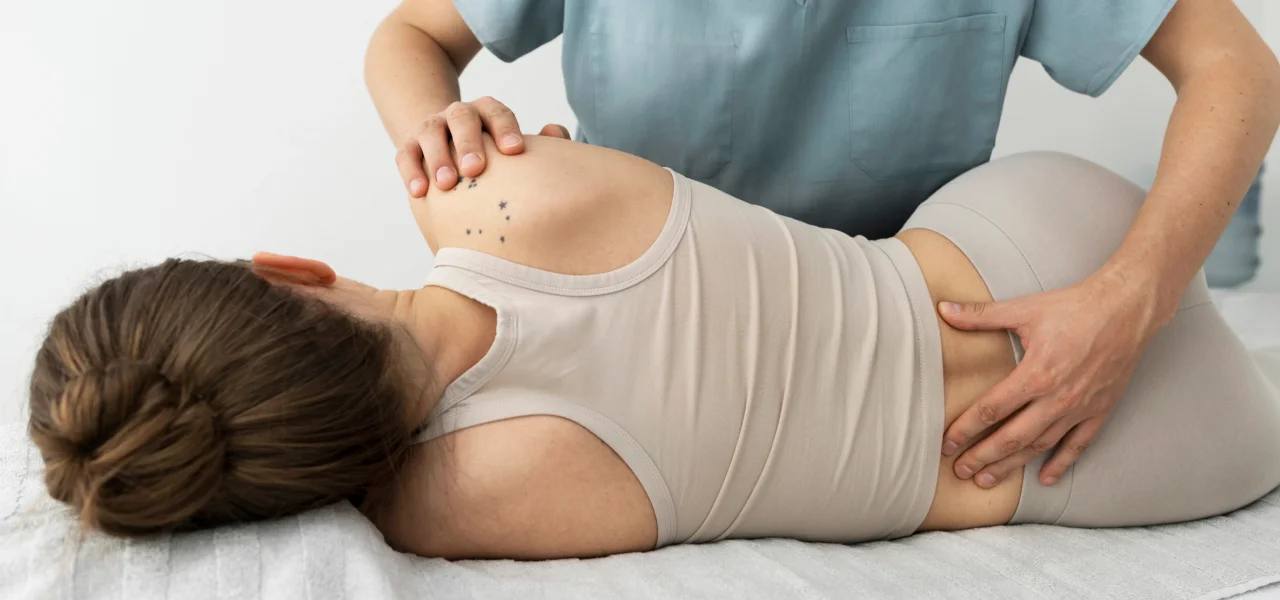
Structural Integration (SI), commonly known as Rolfing, is a holistic bodywork technique designed to optimize the bodys alignment and improve its movement patterns. It focuses on the fascia, the connective tissue that surrounds muscles, bones, and organs, which plays a crucial role in how the body moves, functions, and heals. By addressing restrictions in the fascia and improving the bodys alignment, SI not only helps relieve pain but also supports healing and prevents future injuries.
Heres how Structural Integration supports healing and prevents injury:
1. Restoring Structural Alignment
Proper alignment is essential for efficient movement and injury prevention. Misalignments in the body, especially in the spine, pelvis, and joints, can lead to compensatory movement patterns that place unnecessary strain on muscles and ligaments. This imbalance can result in discomfort, pain, and increased susceptibility to injury.
Structural Integration works by realigning the bodys structure through deep tissue manipulation and myofascial release. By addressing misalignments in the spine, pelvis, shoulders, and other key areas, SI helps the body move more efficiently. Realigning the body reduces strain on the musculoskeletal system, enhancing mobility, reducing the risk of injury, and facilitating better healing from previous injuries.
2. Releasing Fascial Restrictions
Fascia is a dense connective tissue that surrounds muscles, bones, and organs. Over time, poor posture, injury, or repetitive movements can cause the fascia to become tight or restricted, limiting movement and contributing to pain. Fascial restrictions can also lead to imbalances, where some muscles become overactive and others underactive, further contributing to pain and injury.
Structural Integration focuses on releasing these fascial restrictions through techniques like myofascial release, deep tissue manipulation, and soft tissue therapy. By freeing up tight fascia, SI restores the bodys natural movement patterns and improves flexibility. This release of tension helps reduce muscle pain, stiffness, and discomfort, while also preventing future injuries by allowing for more efficient movement.
3. Promoting Circulation and Tissue Repair
Efficient circulation is crucial for the healing process. Injuries or chronic pain often occur when tissues are deprived of the oxygen and nutrients needed for repair. Inadequate blood flow can delay the healing process and increase inflammation.
Structural Integration enhances circulation by releasing restrictions in the fascia and improving the flexibility of muscles and joints. This promotes blood flow to the affected areas, helping to deliver oxygen and nutrients to the tissues while removing metabolic waste products. Increased circulation accelerates tissue repair, reduces swelling, and supports the natural healing process. As a result, SI not only helps heal existing injuries but also enhances the bodys ability to recover from future strains or injuries.
4. Restoring Balance Between Muscles and Joints
When muscles and joints are out of balance, it can lead to inefficiencies in movement and increased wear and tear on the body. For example, tight muscles may compensate for weak ones, leading to poor posture and an increased risk of injury. These imbalances can also result in chronic pain and stiffness, particularly in the back, neck, shoulders, and hips.
Structural Integration works to balance muscle activity by releasing tight muscles and activating weaker ones. By realigning the muscles and joints, SI helps restore balance to the musculoskeletal system, ensuring that the body moves efficiently. This improved balance reduces the strain on the muscles and joints, preventing injury and supporting the healing of existing pain or discomfort.
5. Improving Flexibility and Range of Motion
Limited flexibility and range of motion often contribute to pain and injury. When muscles or joints become stiff, they are more prone to strains, sprains, or other injuries, as the body may not be able to move through its full range of motion. Additionally, restricted movement can lead to poor posture, which further contributes to pain.
Structural Integration improves flexibility by releasing tension in the muscles and fascia. Through deep tissue techniques and stretching, SI restores the natural length and elasticity of muscles, improving their flexibility. Increased flexibility allows for better movement in the joints, reducing the risk of injury during physical activity and improving overall body mobility.
6. Supporting Postural Correction
Poor posture is a major contributor to pain, muscle imbalances, and the risk of injury. When the body is out of alignment, certain muscles become overworked, while others may weaken or become inactive. This imbalance puts stress on the spine and joints, leading to discomfort, pain, and, eventually, injury.
Structural Integration focuses on correcting postural imbalances by realigning the bodys structure. By working on the fascia and muscles, SI improves the alignment of the spine, pelvis, and other joints. This postural correction reduces strain on the muscles and joints, making movement more efficient and preventing injury. Good posture also enhances the bodys natural ability to heal by distributing weight and stress more evenly across the musculoskeletal system.
7. Improving Proprioception and Body Awareness
Proprioception is the bodys ability to sense its position in space and make adjustments for coordinated movement. Poor proprioception can lead to awkward movements, missteps, and an increased risk of falls or injuries. Its especially important in activities that require balance, coordination, and agility.
Structural Integration improves proprioception by enhancing body awareness. Through its focus on alignment and movement, SI helps individuals become more aware of their bodys position and movements. This improved body awareness helps prevent injury by allowing individuals to move with more control and efficiency. By retraining the body to move correctly, SI promotes better movement patterns, reducing the risk of strain and injury.
8. Preventing Overuse Injuries
Overuse injuries occur when certain muscles, joints, or tissues are repeatedly stressed without proper rest or recovery. This often leads to chronic conditions like tendinitis, bursitis, or stress fractures. Structural Integration helps prevent overuse injuries by ensuring that the body moves efficiently and that all muscles are functioning optimally.
By addressing fascial restrictions, improving posture, and balancing muscle function, SI reduces the likelihood of overuse injuries. For example, if tight hip flexors are causing compensation in the lower back, SI can release tension in the hip muscles and restore proper movement, preventing strain on the lower back. Structural Integration helps individuals move more evenly, ensuring that no part of the body is overused or underused.
9. Accelerating Recovery and Reducing Chronic Pain
In addition to treating acute injuries, Structural Integration is highly effective in managing chronic pain. Conditions such as chronic back pain, shoulder pain, or tension headaches can be alleviated through SI by releasing fascial restrictions, realigning the body, and improving posture and movement patterns. Chronic pain often results from unresolved structural imbalances, muscle tension, or poor posture, which SI works to correct.
By addressing the root causes of chronic pain, Structural Integration not only provides relief but also speeds up the healing process. The techniques used in SI encourage long-term healing, ensuring that the body maintains optimal function and movement without ongoing pain.
Conclusion: The Role of Structural Integration in Healing and Injury Prevention
Structural Integration offers a comprehensive approach to healing and injury prevention by addressing the root causes of pain, muscle imbalances, and misalignments in the body. By releasing fascial restrictions, realigning the bodys structure, and improving movement patterns, SI supports the bodys natural ability to heal itself and move more efficiently.
Whether youre recovering from an injury, managing chronic pain, or looking to improve flexibility and prevent future injuries, Structural Integration provides an effective and holistic solution for enhancing musculoskeletal health. By improving posture, balance, and flexibility, SI not only helps treat existing conditions but also prevents new ones from developing, ensuring long-term health, function, and well-being.