How Structural Integration Supports Holistic Healing and Wellness explores targeted strategies for recovery. Discover new paths to mobility, healing, and personalized care.

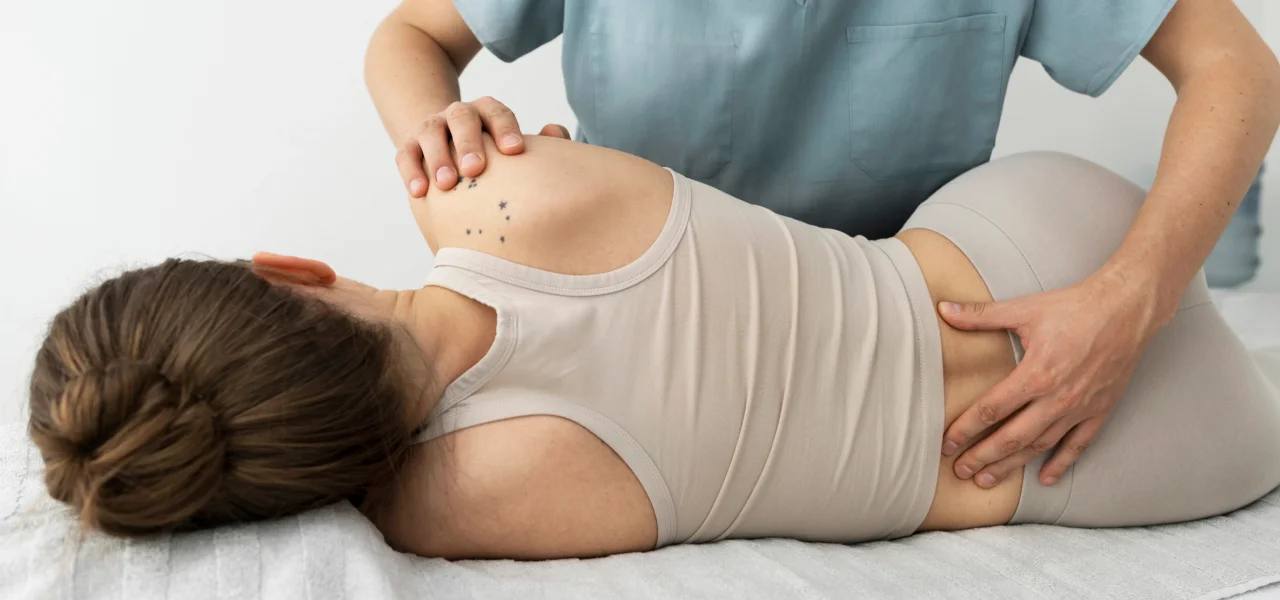
Structural Integration (SI), also known as Rolfing, is a holistic bodywork technique that focuses on the manipulation of the fascia, the connective tissue that surrounds and supports muscles, bones, and organs. By addressing the structure and alignment of the body, SI aims to enhance overall movement, reduce pain, and support the bodys natural healing processes. Unlike traditional treatments that may focus on symptom relief alone, Structural Integration takes a more comprehensive approach by working with the whole body, considering how different parts of the body interact and contribute to health.
Here’s how Structural Integration supports holistic healing and wellness:
1. Realigning the Bodys Structure
Structural Integration works primarily with the fascia to realign the bodys structure, which plays a central role in overall health and wellness. Misalignments or restrictions in the fascia, muscles, and joints can cause pain, discomfort, and inefficient movement. SIs focus on restoring balance to the body through manual manipulation helps realign the spine, pelvis, shoulders, and other key joints. This realignment promotes better posture, reduces strain on the body, and enhances overall movement efficiency.
When the body is aligned properly, it is better equipped to function optimally, supporting long-term health and wellness. Proper alignment also alleviates stress on the muscles and joints, helping to prevent chronic pain or injury in the future.
2. Releasing Fascial Restrictions and Tension
Fascia is the connective tissue that surrounds muscles and organs, providing structure and support. Over time, fascia can become restricted or stiff due to poor posture, injury, or repetitive stress. These fascial restrictions can limit movement, cause pain, and affect the bodys ability to function properly.
Structural Integration helps release these restrictions through myofascial release, deep tissue manipulation, and stretching techniques. By releasing tight fascia, SI enhances flexibility, promotes muscle relaxation, and restores the natural range of motion. This release of tension not only reduces pain but also contributes to the bodys overall well-being by allowing for more fluid and efficient movement.
3. Restoring Balance and Harmony in the Body
The principle behind Structural Integration is that the body functions best when it is in balance. Misalignments or muscle imbalances can cause compensations in movement, leading to discomfort, pain, and reduced mobility. SI helps to restore balance by addressing both muscle tightness and weakness throughout the body. By releasing tight muscles and activating weaker ones, SI promotes muscle coordination and harmonious movement.
Through targeted bodywork, SI re-establishes balance between muscles, fascia, and joints. This realignment ensures that all areas of the body are working together efficiently, reducing the risk of injury and improving overall body function.
4. Enhancing Mobility and Flexibility
Limited mobility and flexibility are often consequences of poor posture, tension, or injury. These restrictions can cause discomfort and prevent individuals from performing daily activities with ease. Structural Integration helps increase flexibility by improving the range of motion in the joints and muscles. By releasing fascial tightness and addressing postural imbalances, SI restores normal movement patterns and helps the body move more freely.
Improved mobility and flexibility are key components of holistic wellness. When the body can move more easily and without pain, individuals experience increased physical comfort, greater ease in daily tasks, and better overall well-being.
5. Supporting the Bodys Natural Healing Process
One of the core principles of Structural Integration is that the body has an inherent ability to heal itself. SI helps support the bodys natural healing process by improving circulation, reducing muscle tension, and restoring alignment. For instance, improved blood flow and lymphatic circulation encourage tissue repair and the removal of metabolic waste products, promoting faster recovery from injury or stress.
Additionally, SI helps alleviate chronic pain, which can hinder the bodys healing capabilities. By reducing pain and restoring optimal alignment, SI ensures that the body is in the best possible state to heal itself naturally.
6. Promoting Postural Awareness and Self-Care
Posture plays a significant role in overall health and well-being. Poor posture can lead to muscle imbalances, pain, and even affect internal organ function. One of the benefits of Structural Integration is its emphasis on postural education. Through its hands-on approach, SI helps individuals become more aware of their posture and body mechanics.
As a result, clients learn to recognize postural habits that contribute to discomfort and are taught how to correct them. By improving body awareness, SI encourages better posture, which reduces the risk of injury and helps maintain long-term health.
7. Reducing Stress and Supporting Emotional Health
Chronic tension in the body can lead to both physical and emotional stress. The muscles and fascia are highly responsive to emotional states, with stress and anxiety often leading to muscle tightness and discomfort. Structural Integration helps alleviate stress-induced muscle tension by applying gentle pressure and manipulation to the fascia and muscles.
By releasing physical tension, SI also helps individuals manage emotional stress. The deep relaxation that comes with Structural Integration promotes a sense of well-being and emotional balance. This mind-body connection supports holistic healing, reducing both physical and emotional tension.
8. Preventing Future Injury and Pain
While Structural Integration is effective at relieving existing pain and discomfort, it also plays a key role in injury prevention. By improving posture, balancing muscle function, and enhancing movement efficiency, SI reduces the likelihood of future pain or injury. The release of fascial restrictions and realignment of the body ensure that the body moves more fluidly, without compensation or unnecessary strain on muscles and joints.
Regular Structural Integration treatments can prevent the development of chronic conditions, such as back pain, neck pain, or joint dysfunction, by keeping the body aligned and balanced. By addressing postural issues and muscle imbalances early, SI reduces the risk of long-term musculoskeletal problems.
9. Enhancing Athletic Performance
For athletes, Structural Integration can help enhance performance by improving range of motion, flexibility, and muscle coordination. By addressing postural imbalances, releasing tension, and restoring alignment, SI allows athletes to move more efficiently and with greater ease. This improvement in movement leads to better performance in sports, reduced fatigue, and a decreased risk of injury.
SI also helps athletes recover faster from intense physical activity by improving circulation and reducing muscle tightness, allowing them to perform at their best and recover fully.
Conclusion: Structural Integration and Holistic Healing
Structural Integration offers a comprehensive approach to healing and wellness by addressing the body as a whole. By realigning the body, releasing fascial restrictions, improving posture, and promoting movement efficiency, SI supports the bodys natural healing process, reduces pain, and enhances overall well-being. Whether you are dealing with chronic pain, recovering from injury, or seeking to improve movement and posture, Structural Integration offers a holistic solution that promotes long-term health, prevents future injuries, and supports optimal body function.
This integrative approach not only addresses physical symptoms but also promotes emotional and mental well-being, supporting a balanced, healthy, and functional life. Through regular treatments, Structural Integration helps individuals achieve greater health and vitality, making it an essential tool for holistic healing and long-term wellness.