How Structural Integration Targets the Fascia to Restore Balance explores targeted strategies for recovery. Discover new paths to mobility, healing, and personalized care.

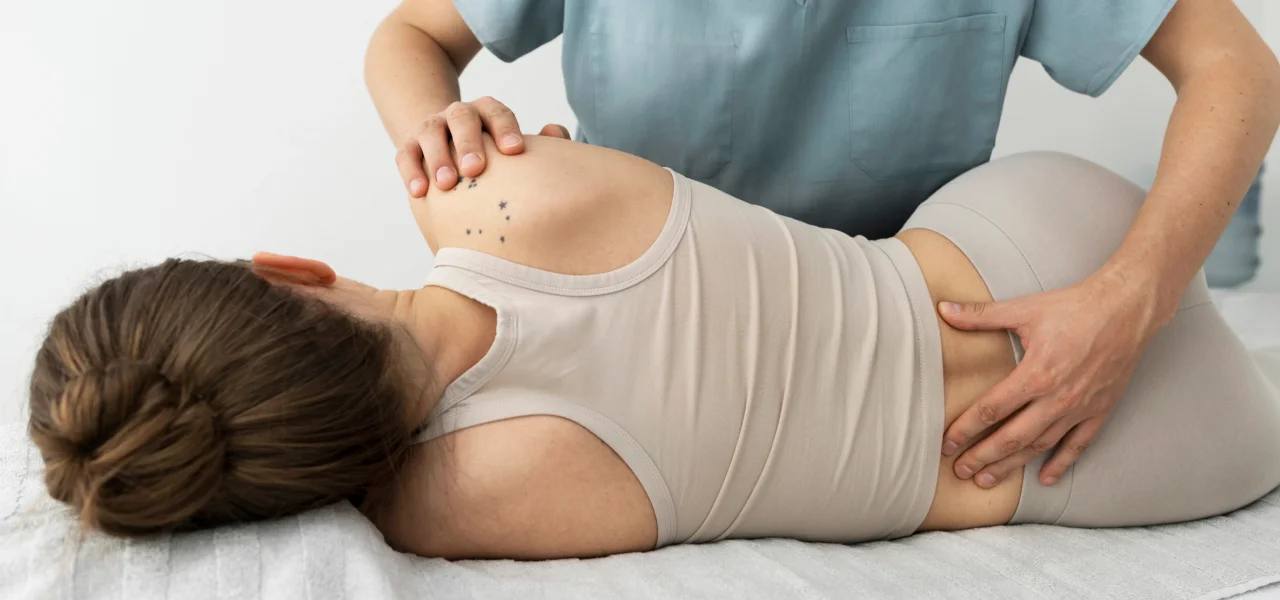
Your bodys fascia is an incredible, complex network of connective tissue that wraps around muscles, bones, nerves, and organs. It acts like a supportive web, holding everything together and helping your body move as a coordinated whole.
When fascia becomes tight, restricted, or stuck due to injury, poor posture, or stress, it can throw your entire body out of balanceleading to pain, stiffness, and limited mobility.
Structural Integration (SI) is a hands-on therapy that focuses on releasing fascial restrictions to restore balance, improve posture, and promote easier, more natural movement.
What Is Fascia and Why Is It Important?
Fascia is:
A continuous sheet of connective tissue from head to toe
Responsible for structural support and transmitting force
Rich in nerve endings, affecting sensation and body awareness
Dynamic and responsive, changing with movement, injury, and habits
When healthy, fascia is flexible and slippery. But when it becomes restricted or dehydrated, it can pull unevenly on muscles and joints, distorting posture and causing discomfort.
How Does Structural Integration Work with Fascia?
1. Gentle, Targeted Pressure
SI practitioners use slow, focused manual pressure to locate and release adhesions and restrictions in the fascia. This helps restore the tissues natural glide and elasticity.
2. Systematic Whole-Body Approach
Because fascia connects every part of your body, SI works through the entire systemnot just the area where you feel tension. This global approach helps reset your bodys overall alignment and balance.
3. Restores Structural Symmetry
Releasing fascial tightness allows your muscles and joints to find their natural positions. SI helps correct asymmetries like uneven shoulders or tilted hips, which often stem from fascial restrictions.
4. Improves Movement and Function
With fascia freer and more hydrated, your body moves with greater ease and coordination. This reduces strain and can alleviate chronic pain caused by poor posture or movement habits.
5. Enhances Body Awareness
Fascia is loaded with sensory nerves. Working with it through SI enhances proprioception, helping you become more aware of how you hold and move your body, supporting lasting change.
Who Can Benefit?
Anyone with chronic tightness or pain
People recovering from injury or surgery
Those with postural imbalances or movement restrictions
Athletes seeking improved performance and recovery
Anyone interested in holistic bodywork
Final Thoughts
Structural Integration offers a unique and effective way to work with the fasciaunlocking its restrictions to restore your bodys natural balance and fluidity. By addressing this vital connective tissue, SI helps you stand taller, move better, and feel more comfortable in your own skin.