


For many women, recovering from a C-section involves more than healing the visible surgical scar. Often overlooked is the impact a Caesarean section can have on pelvic health, including muscle imbalances, internal scarring, bladder control, and long-term core weakness.

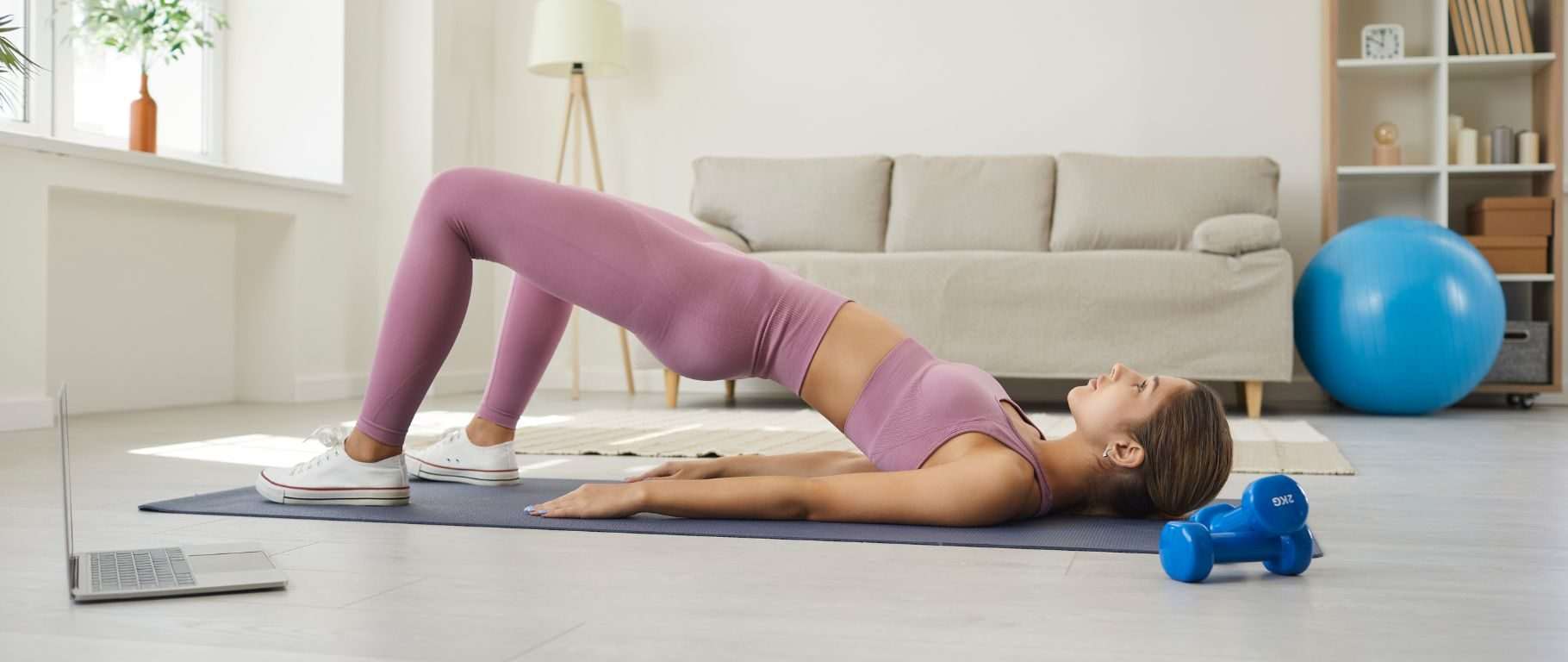
For many women, recovering from a C-section involves more than healing the visible surgical scar. Often overlooked is the impact a Caesarean section can have on pelvic health, including muscle imbalances, internal scarring, bladder control, and long-term core weakness. Although a C-section bypasses the vaginal canal, the pelvic floor can still experience stress and dysfunction during pregnancy and birth. Physiotherapy plays a key role in restoring pelvic health post-surgery and supporting a full-body recovery.
Understanding Pelvic Health Post-C-Section
Pelvic health encompasses the proper functioning of the pelvic floor muscles, which support the bladder, uterus, and rectum. During pregnancy, the pelvic floor undergoes significant strain due to hormonal changes and the weight of the growing baby. A C-section, while surgical in nature, doesnt eliminate this stress. In fact, abdominal surgery can lead to further complications, including tissue adhesions, reduced core activation, and imbalances that indirectly affect pelvic floor strength and coordination.
Common Pelvic Issues After a C-Section
Women may encounter a range of pelvic health issues after undergoing a C-section:
Urinary incontinence: Pressure on the bladder during pregnancy can weaken control, even if no vaginal delivery occurred.
Pelvic pain or tightness: Scar tissue from surgery may affect surrounding muscles and nerves.
Core weakness: Disruption of abdominal muscles affects posture and pelvic support.
Pelvic organ prolapse: Though less common than in vaginal births, it can still occur due to weakened pelvic support structures.
Sexual discomfort: Scar sensitivity and internal tightness can make intimacy painful.
These symptoms may take time to surface, but early assessment and physiotherapy can help restore pelvic health before chronic issues develop.
The Role of Pelvic Floor Physiotherapy in Recovery
A pelvic floor physiotherapist specializes in evaluating and treating internal and external muscle dysfunction. After a C-section, physiotherapy focuses on:
Scar mobilization techniques to reduce adhesions and promote tissue flexibility.
Pelvic floor muscle retraining to restore coordination, strength, and relaxation.
Postural correction to address core imbalance and back discomfort.
Breathing and core integration to rebuild abdominal pressure regulation and diaphragm-pelvic floor synergy.
Each treatment plan is customized based on a full assessment of muscle tone, control, and functional goals.
When to Begin Pelvic Health Treatment After a C-Section
Pelvic floor therapy is typically recommended after your 6-week postnatal checkup, once your physician confirms you are medically cleared for rehabilitation. However, education and gentle breathing or pelvic awareness exercises can begin earlier, under guidance. Early intervention often leads to better long-term outcomes in restoring pelvic health.
Home Care and Awareness Tips
While physiotherapy offers professional guidance, there are several practices that can support your pelvic floor recovery at home:
Diaphragmatic breathing: Deep breathing promotes relaxation and core engagement without strain.
Postural support: Avoid slouching and use pillows when sitting or breastfeeding to protect your core and pelvic floor.
Gentle walking: Improves circulation and prevents stiffness.
Avoid heavy lifting: Until cleared by a physiotherapist, reduce strain on healing tissues.
Stay hydrated and eat fiber-rich foods: Minimizes constipation, which can stress the pelvic floor.
Why Every Woman Should Prioritize Pelvic Health After Surgery
C-section recovery often centers on external healing, but internal muscle function is critical for long-term health. Untreated pelvic floor dysfunction can lead to chronic pain, incontinence, and poor quality of life. Integrating pelvic floor physiotherapy into your postpartum care ensures that recovery is comprehensive, not just cosmetic.
Pelvic health is not a luxuryits essential. Whether or not you plan on having more children, taking steps to restore your pelvic function benefits your mobility, comfort, and confidence.

