Postpartum recovery is often focused on caring for the baby, but addressing a womans own healingespecially pelvic healthis equally important. After childbirth, many women experience pelvic floor dysfunction, core weakness, and pain that affect daily life.

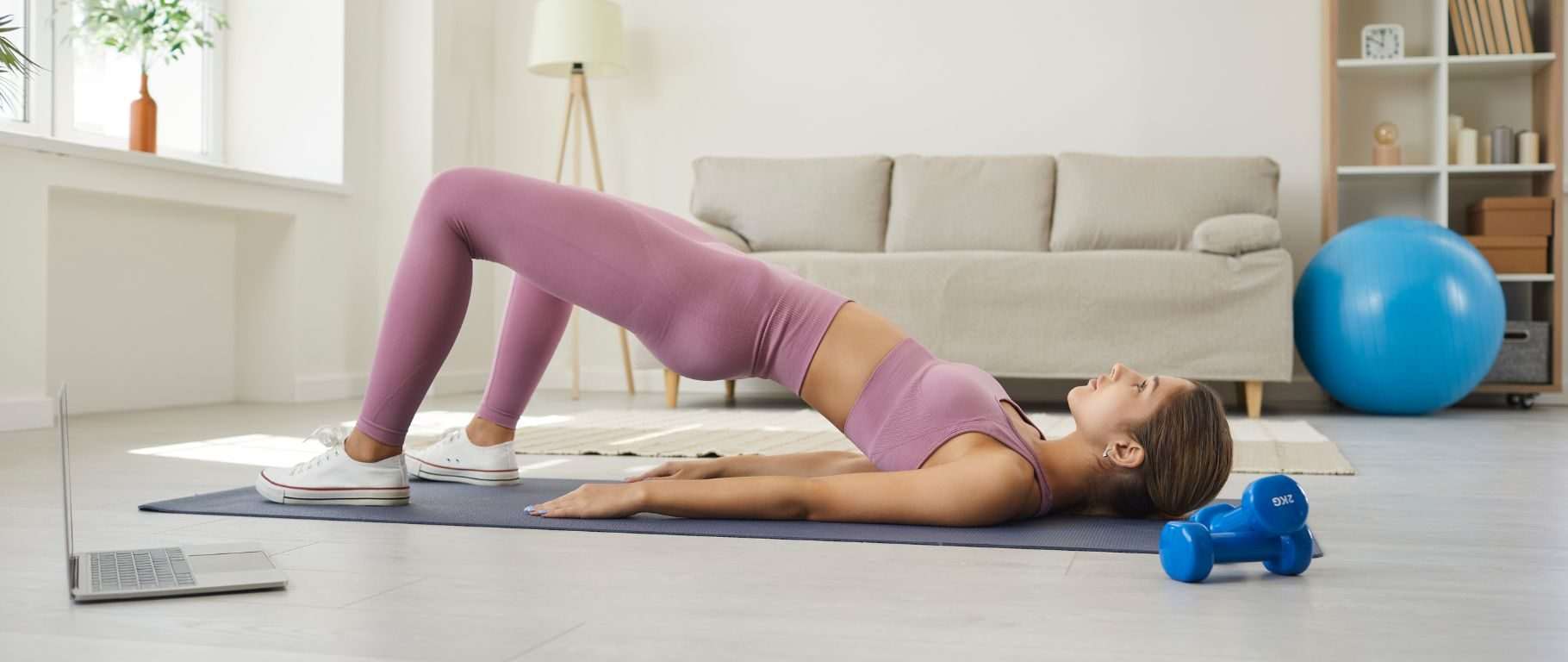
Postpartum recovery is often focused on caring for the baby, but addressing a womans own healingespecially pelvic healthis equally important. After childbirth, many women experience pelvic floor dysfunction, core weakness, and pain that affect daily life. Physiotherapy offers a safe, effective, and non-invasive way to manage postpartum pelvic issues and promote long-term recovery. For mothers across Canada, postpartum physiotherapy can be a vital step toward restoring physical function, confidence, and comfort.
The Impact of Childbirth on Pelvic Health
Pregnancy and childbirth exert significant stress on the pelvic floor and surrounding muscles. During delivery, the pelvic floor can stretch or tear, leading to common postpartum conditions such as:
Urinary incontinence
Pelvic organ prolapse
Pain during intercourse
Lower back and hip pain
Diastasis recti (abdominal muscle separation)
Core instability and poor posture
These symptoms may persist for months or even years if left untreated. Early physiotherapy intervention can significantly accelerate healing.
How Physiotherapy Supports Postpartum Recovery
A pelvic health physiotherapist specializes in addressing the musculoskeletal changes that occur during and after pregnancy. Here’s how physiotherapy can help:
1. Pelvic Floor Rehabilitation
Pelvic floor muscles support the bladder, bowel, and uterus. After childbirth, these muscles often weaken. Physiotherapy helps women:
Rebuild strength and coordination
Reduce urinary leakage and urgency
Improve pelvic stability
Alleviate pressure from prolapse
A therapist will assess pelvic floor function and guide patients through targeted exercises, breathing techniques, and manual therapy as needed.
2. Pain Management and Mobility Restoration
Persistent postpartum pain in the hips, lower back, or pelvis can interfere with daily tasks and baby care. Physiotherapy helps identify the source of pain and introduces:
Gentle stretches for tight or strained muscles
Joint mobilizations
Ergonomic movement retraining for lifting, feeding, and carrying the baby
These treatments reduce inflammation, improve comfort, and support functional movement.
3. Healing Diastasis Recti and Core Recovery
Many women develop a gap in the abdominal muscles during pregnancy, known as diastasis recti. Without proper recovery, this condition can lead to poor posture and back pain. A physiotherapist can:
Assess abdominal separation
Teach safe core activation techniques
Provide progressive exercises to close the gap
Core strengthening also supports pelvic floor recovery and enhances overall stability.
4. Bladder and Bowel Function Support
Leaking urine, frequent urges, or bowel issues are common postpartum concerns. Physiotherapists use bladder training, pelvic floor coordination, and dietary education to help regain control and improve daily comfort.
5. Postural Alignment and Safe Movement
Caring for a newborn involves repetitive tasks like bending, lifting, and holdingoften done with poor posture. Physiotherapy teaches safe techniques to reduce strain on healing tissues. This includes:
Postural assessments and corrections
Functional movement strategies
Strengthening weak muscles and stretching overactive ones
Improved alignment reduces the risk of chronic pain and injury.
When to Start Postpartum Physiotherapy
Many women are cleared for physiotherapy at their six-week postpartum check-up. However, even years after childbirth, it’s never too late to address pelvic health concerns. Physiotherapy is suitable for vaginal or cesarean births, as both can affect core and pelvic health in different ways.
The Canadian Advantage: Specialized Pelvic Health Care
In Canada, pelvic health physiotherapists are specially trained to provide evidence-based care for postpartum women. With growing awareness, more clinics offer tailored programs that fit the needs of busy mothers, including virtual consultations and flexible scheduling.
Empowering Women Through Education and Support
Beyond physical recovery, physiotherapists educate women about their anatomy, healing timelines, and realistic expectations. This guidance fosters empowerment, body awareness, and self-carecritical for long-term well-being.
Conclusion
Postpartum pelvic pain and dysfunction are not conditions mothers must simply endure. Physiotherapy offers practical, personalized solutions that restore strength, function, and confidence. Whether managing incontinence, healing from diastasis recti, or relieving chronic pain, pelvic health physiotherapy is a vital step in the journey of postpartum recovery. Investing in your own healing is the best foundation for caring for your child and reclaiming your body after childbirth.