How to Align Your Exercise Routine with Hormonal Cycles for Maximum Effect explores targeted strategies for recovery. Discover new paths to mobility, healing, and personalized care.

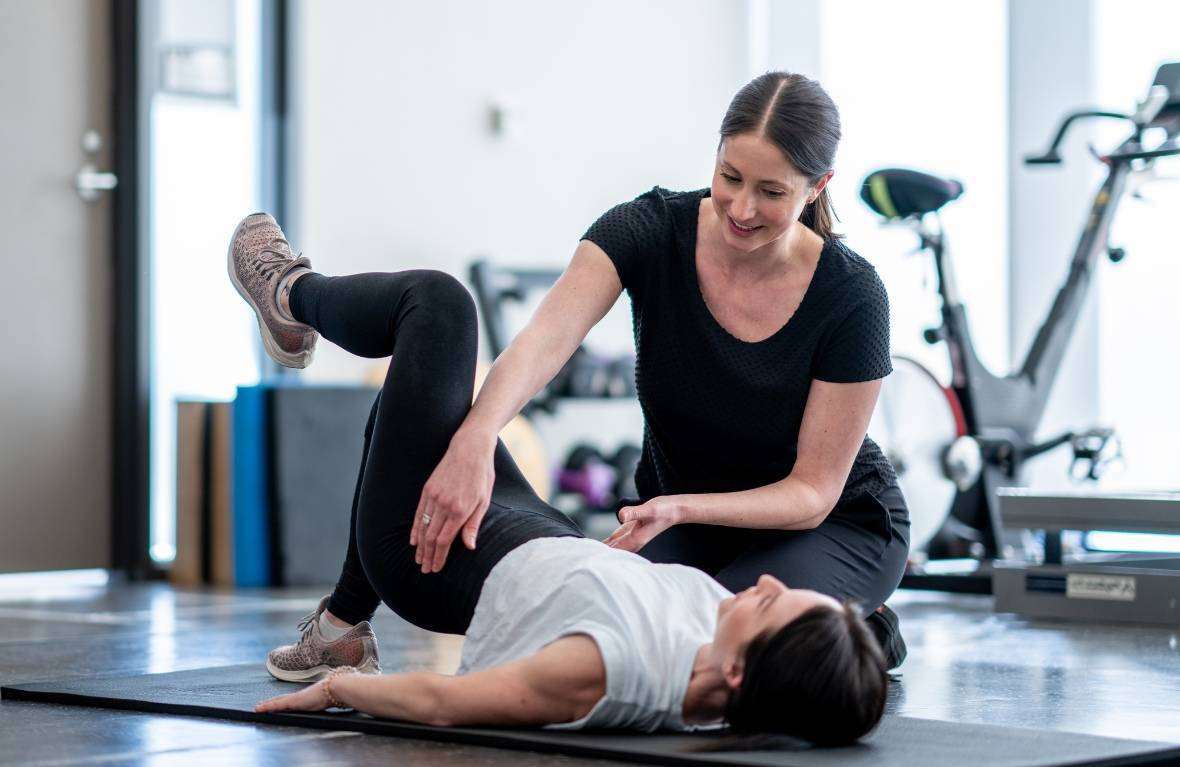
Your bodys hormones fluctuate throughout the menstrual cycle, influencing energy, strength, mood, and recovery. Aligning your exercise routine with these hormonal changes can optimize your performance and well-being. Physiotherapy plays a vital role in helping you tailor your workouts to your unique hormonal rhythms, ensuring you get the most out of every session while minimizing injury risk.
Understanding Hormonal Cycles and Their Impact on Exercise
The menstrual cycle is divided into four phasesmenstrual, follicular, ovulation, and lutealeach characterized by different hormone levels.
Menstrual Phase: Low estrogen and progesterone; energy may be lower.
Follicular Phase: Rising estrogen; increased strength and endurance.
Ovulation: Peak estrogen and testosterone; optimal performance potential.
Luteal Phase: High progesterone; increased fatigue and slower recovery.
These hormonal shifts influence muscle strength, joint stability, and mood, making it essential to adjust your exercise intensity and type accordingly.
How Physiotherapy Helps You Sync Exercise with Your Hormones
Physiotherapists can design customized exercise plans that respect your hormonal cycles. Heres how:
1. Cycle-Specific Training Programs:
By understanding your cycle phases, physiotherapists recommend workout types and intensities to match your bodys capabilitiesfor example, focusing on strength training during the follicular phase and lighter activities during menstruation.
2. Injury Prevention:
Joint laxity increases around ovulation due to estrogen spikes, raising injury risk. Physiotherapy emphasizes stability and neuromuscular training during these times to protect you.
3. Recovery Optimization:
During the luteal phase, when recovery slows, physiotherapy guides you on appropriate rest and recovery strategies, including gentle stretches and manual therapy.
4. Monitoring and Feedback:
Regular physiotherapy sessions allow monitoring of how your body responds to training, enabling timely adjustments.
Practical Tips for Hormone-Aligned Exercise
Track your cycle to anticipate energy changes and plan workouts accordingly.
Incorporate a mix of cardio, strength, and flexibility exercises throughout the month.
Use physiotherapy techniques such as warm-ups, cool-downs, and targeted stretches to support joint health.
Prioritize rest days during lower energy phases to avoid burnout.
Who Can Benefit?
Women seeking to optimize athletic performance or fitness routines
Those experiencing hormonal symptoms affecting exercise capacity
Individuals recovering from hormonal imbalances or conditions
Why Partner with YFS?
YourFormsUX (YFS) in Canada offers specialized physiotherapy programs that integrate hormonal cycle knowledge into exercise planning. Our expert team supports you in syncing your workouts with your bodys natural rhythms for improved performance and wellness.