Hip alignment is one of the most underestimated elements of good posture and musculoskeletal health. Whether you’re sitting at a desk for ho…

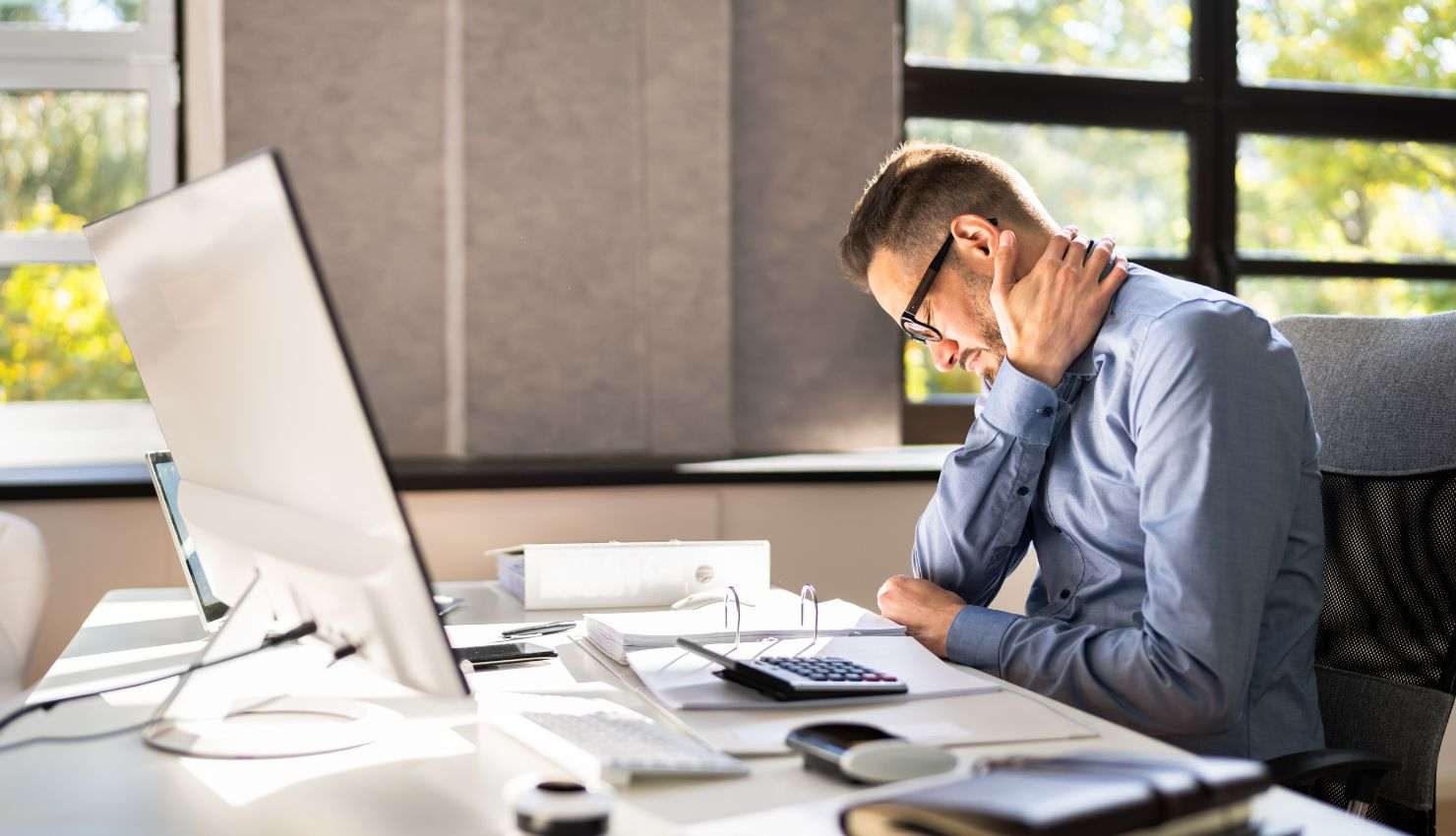
Hip alignment is one of the most underestimated elements of good posture and musculoskeletal health. Whether you’re sitting at a desk for hours or standing in line at the store, how your hips are positioned directly impacts your spinal alignment, pelvic stability, and core function. For womenespecially those who are postpartum, managing pelvic floor dysfunction, or recovering from back or hip painhip alignment is crucial to supporting long-term healing and preventing recurring symptoms.
This blog explores what proper hip alignment looks like in both sitting and standing positions, the common postural habits that disrupt it, and actionable physiotherapy-informed strategies to restore balance and reduce strain.
Why Hip Alignment Matters for Posture and Pelvic Health
The hips serve as a structural bridge between the upper and lower body. When properly aligned, the pelvis sits in a neutral position, allowing for even weight distribution, natural spinal curves, and effective engagement of the pelvic floor and core muscles. Misalignment, however, creates compensations throughout the kinetic chaincontributing to back pain, poor core activation, tight hip flexors, and pelvic floor dysfunction.
In women, especially postpartum, hip misalignment can also worsen diastasis recti, contribute to incontinence, or delay healing from pelvic organ prolapse. Thats why restoring hip alignment is a foundational step in most pelvic physiotherapy programs at YourFormSux (YFS).
What Is Neutral Hip Alignment?
Neutral hip alignment means that the pelvis is not tilted excessively forward (anterior tilt) or backward (posterior tilt), and both hips are level from side to side. This position allows the spine to maintain its natural curves, and the muscles around the hips, pelvis, and lower back to function efficiently.
When standing or sitting in neutral:
Your pubic bone and the two bony front points of your pelvis (ASIS) form a level triangle.
Your weight is evenly distributed between the sit bones when seated.
Your glutes are engaged without clenching, and the core is lightly active.
Maintaining this position supports healthy movement, decreases tension in surrounding muscles, and ensures that pressure on the pelvic floor remains balanced.
Common Hip Alignment Mistakes While Sitting
Most people are unaware that their daily sitting posture is quietly sabotaging their hip and pelvic health. Here are the most common misalignments:
1. Posterior Pelvic Tilt (Tucked Position)
Sitting with the tailbone tucked under rounds the lower back and shifts the pelvis backward. This flattens the lumbar spine, disengages the core, and weakens the pelvic floor over time.
2. Crossing Legs or Sitting Sideways
Regularly crossing one leg over the other or leaning into one hip while seated causes asymmetrical loading, leading to hip elevation, pelvic rotation, and imbalances in muscle tone.
3. Slumping Forward
A forward head or rounded shoulder position often results in a collapsed pelvis, where the hips are no longer neutral, and deep core muscles shut off.
Common Hip Misalignments While Standing
Just as sitting can distort hip position, so can habitual standing postures. These include:
1. Anterior Pelvic Tilt (Swayback Posture)
This involves sticking the tailbone out and arching the lower back, often from tight hip flexors or weak glutes. It places strain on the lumbar spine and overstretches the abdominal and pelvic floor muscles.
2. Hip Hiking or Leaning
Leaning into one hip with the opposite knee bent is a common posture seen while waiting or carrying a child. Over time, it creates muscle imbalances and pelvic asymmetries.
3. Locked Knees and Flared Ribs
When the knees are locked and the chest is pushed forward, the hips lose their neutral positioning, often resulting in compensatory anterior tilt and core disengagement.
How to Realign Your Hips While Sitting
Heres a step-by-step guide to sitting in a posture that supports neutral hip alignment:
Sit on Your Sit Bones
Instead of slumping back on the sacrum, roll slightly forward until you feel your sit bonesthe bony prominences under your glutesmaking contact with the chair.
Keep Feet Flat and Hips Level
Place your feet flat on the ground, knees in line with hips, and avoid crossing legs. This promotes symmetrical pelvis loading.
Stack the Ribcage Over the Pelvis
Align your ribs directly over your hips. Avoid letting your ribs flare forward or collapse inward.
Engage the Core Lightly
Breathe into your lower ribs and gently draw in the lower belly. This helps support the spine and maintain hip alignment without bracing.
Use a Wedge or Towel If Needed
If you find yourself tucking the pelvis frequently, a wedge cushion or rolled towel under the sit bones can help restore the natural pelvis tilt.
How to Align Your Hips While Standing
To stand in a posture that encourages hip and pelvic health, follow these cues:
Feet Hip-Width Apart, Toes Forward
Start by aligning your feet under your hips with toes pointing straight ahead. Distribute your weight evenly between both legs.
Neutral Pelvis
Gently rock your pelvis forward and backward to find the midpointthis is your neutral pelvis. Avoid over-arching or flattening your lower back.
Unlock Knees
Keep your knees softnot hyperextended or lockedto allow proper alignment of the pelvis and spine.
Stack Ribs Over Hips
Bring your ribcage back so it sits directly over your pelvis. This alignment supports the diaphragm, core, and pelvic floor engagement.
Engage Glutes Gently
The gluteal muscles should be active without gripping. This supports the hips and reinforces pelvic stability.
When to Seek Professional Support
If you experience chronic hip tightness, lower back pain, pelvic discomfort, or feel unbalanced even when trying to maintain good posture, a physiotherapist can help. At YourFormSux, our team provides full-body assessments to identify postural dysfunctions and their root causesincluding poor hip alignment.
For women navigating postpartum recovery, diastasis recti, prolapse, or urinary incontinence, correcting hip alignment is a critical first step toward regaining core function and reducing symptoms.
Final Thoughts: Build Alignment from the Hips Up
Good posture starts at the basebut the pelvis and hips are the true pillars that support the upper and lower body in harmony. Whether you’re sitting at your desk or standing for long hours, paying attention to hip alignment can transform how you move, feel, and recover.
By incorporating small, conscious adjustments into your sitting and standing habits, you not only improve posture but also support your pelvic health, reduce muscular imbalances, and create a stronger, more resilient body.