Back pain from working at home is extremely common and its usually preventable. Poor chair design, bad posture, and a non-ergonomic desk setup are the biggest culprits. By making a few targeted ergonomic adjustments, you can support your spine, reduce tension, and feel better every day.

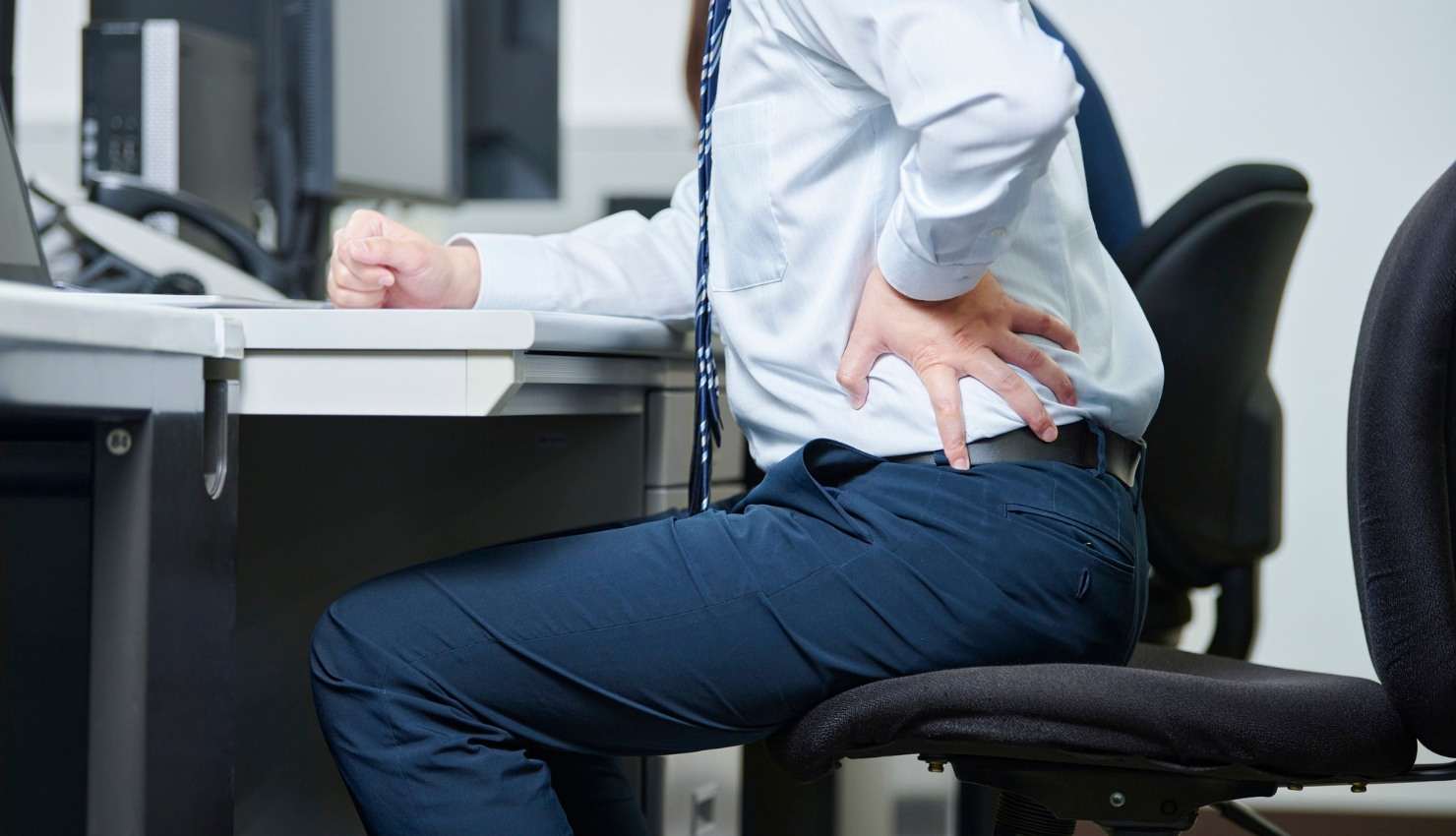
Back pain from working at home is extremely common and its usually preventable. Poor chair design, bad posture, and a non-ergonomic desk setup are the biggest culprits. By making a few targeted ergonomic adjustments, you can support your spine, reduce tension, and feel better every day.
Heres your complete guide to avoiding back pain through smart home office ergonomics:
?? 1. Start with a Supportive Chair
Your chair should support your spine not strain it.
Look for or adapt a chair that:
Has lumbar (lower back) support
Keeps your feet flat on the floor or a footrest
Keeps knees level with or slightly below hips
Has a seat cushion thats firm, not sagging
?? No ergonomic chair? Use a rolled towel or cushion behind your lower back.
??? 2. Align Your Monitor at Eye Level
Looking down or craning your neck forward strains your spine.
Monitor tips:
Top of the screen should be at or just below eye level
Keep screen arms length away
Use monitor risers, books, or a laptop stand to elevate it
Dual monitors? Place your main one directly in front of you
??? Neutral head position = less neck and upper back strain.
?? 3. Position Your Keyboard and Mouse Correctly
Your hands and arms affect your shoulders and upper back more than you think.
Best practices:
Keep elbows at 90 degrees and close to your body
Wrists straight, not bent up or down
Mouse at the same level as the keyboard
Use a keyboard tray or low desk if needed
?? Tension in your arms and shoulders travels to your upper back.
?? 4. Sit Smart: Use Good Posture
Even a great setup wont help if youre slouching.
Check your posture:
Sit all the way back in your chair
Keep shoulders relaxed, not hunched
Avoid crossing legs this twists the spine
Keep head over shoulders, not jutting forward
?? Use a mirror or posture app to check your alignment throughout the day.
?? 5. Move Often: Microbreaks Matter
Sitting too long no matter how ergonomic increases back pain risk.
Build in breaks:
Stand and stretch every 3060 minutes
Try desk stretches like spinal twists, shoulder rolls, and seated cat-cow
Walk around during calls or use a sit-stand desk if possible
?? Motion is lotion for your spine.
? Quick Ergonomic Back-Saving Checklist
Task Goal Done?
Chair supports lower back Maintain healthy spine alignment ?
Monitor is at eye level Reduce neck and upper back strain ?
Keyboard/mouse at elbow height Prevent shoulder tension ?
Feet flat on the floor Stabilize pelvis and spine ?
Breaks every 3060 min Reduce stiffness and pain ?
Need Extra Help?
I can create:
? A Personalized Ergonomic Setup Guide
? A printable Desk Stretch Routine
? A Checklist for Daily Spine Health