Back pain is one of the most common complaints among remote workersand the culprit is often a poorly designed home office setup. Slouching on the couch, working from a kitchen table, or using a low monitor can put your spine under strain. Heres how to design a workspace that supports your back and prevents pain.

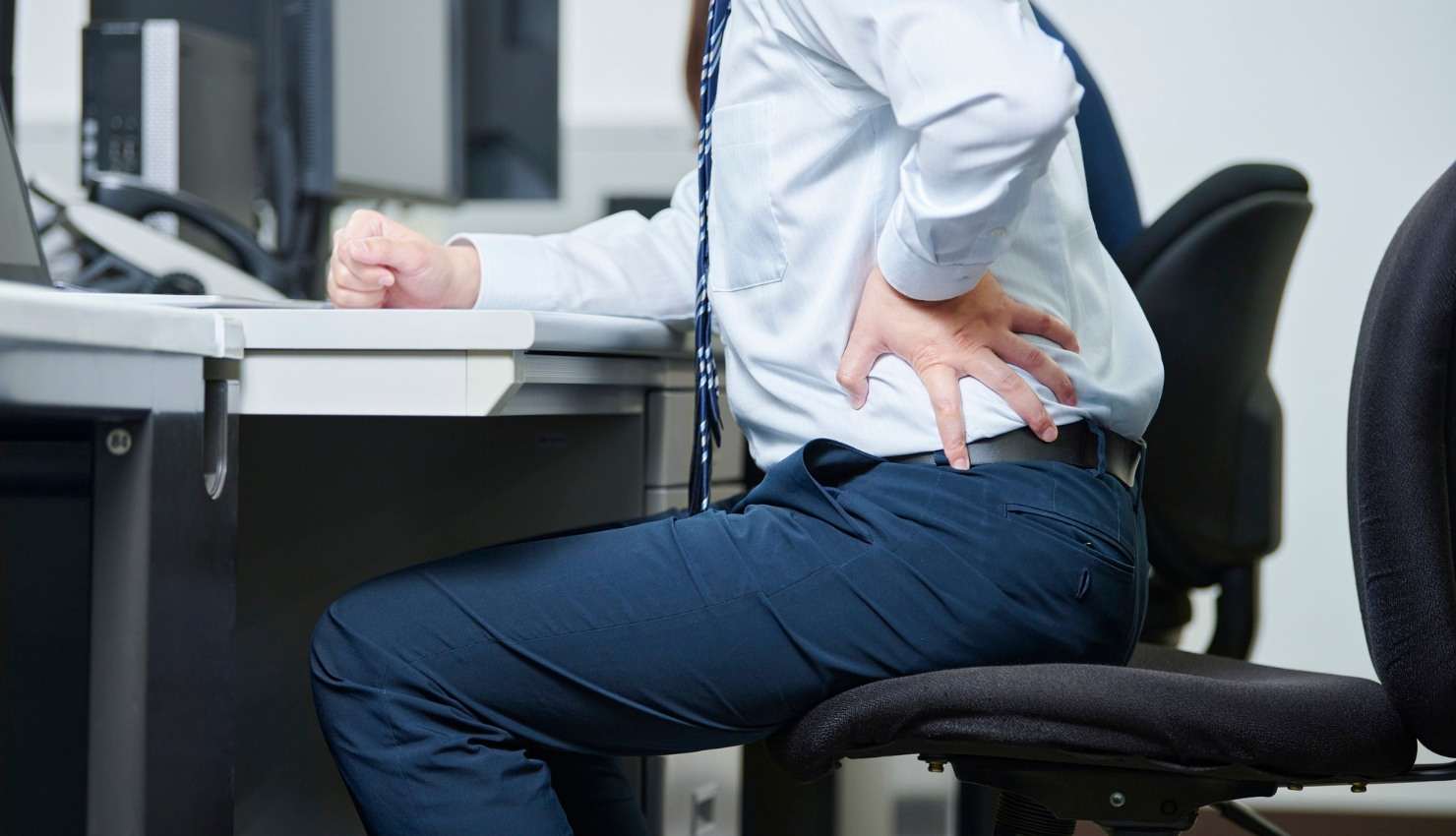
Back pain is one of the most common complaints among remote workersand the culprit is often a poorly designed home office setup. Slouching on the couch, working from a kitchen table, or using a low monitor can put your spine under strain. Heres how to design a workspace that supports your back and prevents pain.
1. Start with the Right Chair
Lumbar Support: Use a chair with lower back support, or add a cushion or rolled towel.
Adjustable Height: Feet should be flat on the floor, with knees at a 90-degree angle.
Seat Depth: Sit back in the chair with a few inches between the back of your knees and the seat edge.
If you dont have an ergonomic office chair, add a firm pillow or folded blanket for support.
2. Optimize Desk and Monitor Height
Desk Height: Your elbows should rest at a 90-degree angle while typing.
Monitor Position: The top third of your screen should be at eye level to prevent neck strain.
Screen Distance: Place the monitor an arms length away.
If using a laptop, consider a laptop stand and external keyboard/mouse.
3. Watch Your Posture
Sit upright with shoulders relaxed, back supported, and neck neutral.
Avoid slumping, leaning forward, or crossing your legs for extended periods.
Use reminders to check your posture every hour.
4. Move Often
Even with perfect posture, staying in one position too long can stress your spine.
Stand up and stretch every 3060 minutes.
Take short walks or do gentle stretches during breaks.
Alternate between sitting and standing if you have a height-adjustable desk.
5. Try Simple Desk Stretches
Seated spinal twist
Neck rolls
Shoulder shrugs
Standing backbend stretch
6. Dont Forget Your Feet
Use a footrest if your chair is too high. Keeping your feet flat helps align your spine properly.
Conclusion
Back pain doesnt have to be part of your home workday. A few key adjustments to your workspaceand regular movementcan protect your spine, improve posture, and help you stay pain-free and productive.