Start with an Ergonomic Desk Setup A poor setup is one of the biggest contributors to repetitive strain and posture-related pain.

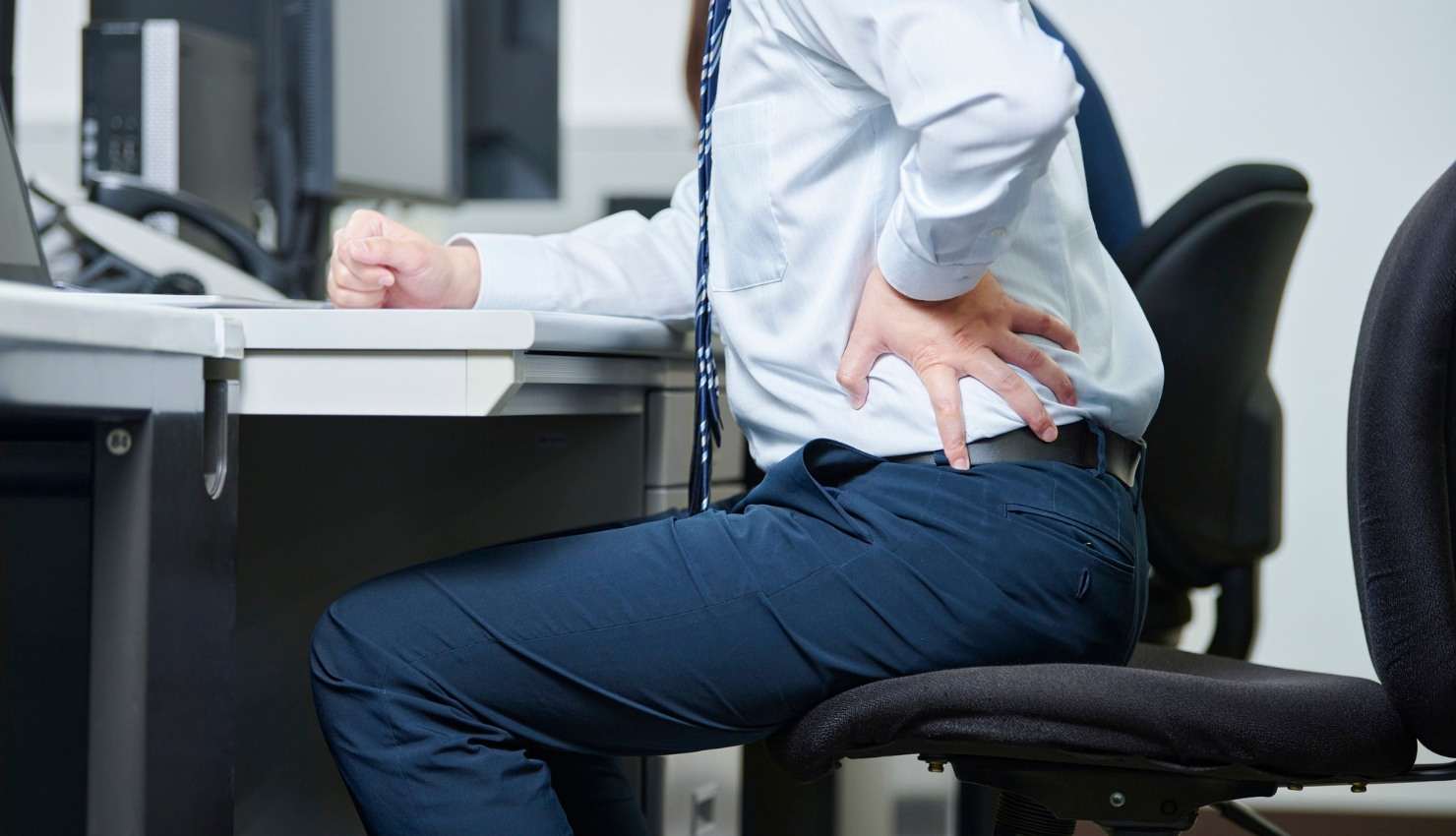
Start with an Ergonomic Desk Setup
A poor setup is one of the biggest contributors to repetitive strain and posture-related pain.
?? Ergonomic Essentials:
Chair: Adjustable, with lumbar support; hips slightly above knees
Desk height: Elbows at 90°, wrists neutral
Monitor: Top of the screen at eye level, about an arms length away
Keyboard & mouse: Close, flat, and directly in front of you
Feet: Flat on the floor or on a footrest
?? If you cant upgrade your furniture, use cushions, books, or boxes to improve alignment.
????? 2. Move Frequently Motion is Lotion
Static postures strain your joints and muscles over time.
Sitting isnt harmful by itself sitting too long is.
Physiotherapy Tip:
Use the 30:30 rule every 30 minutes, move for 3060 seconds
Alternate between sitting, standing, and walking
Set timers or use a Pomodoro app to build the habit
?? 3. Strengthen Key Muscle Groups
Pain often results from muscle weakness or imbalance especially in your:
Core (deep abdominal and lower back muscles)
Upper back and scapular stabilizers
Glutes and hip flexors
Try 1015 minutes/day of:
Glute bridges
Bird-dogs
Scapular squeezes
Planks
Wall angels
?? This strengthens the muscles that support healthy sitting posture.
?? 4. Incorporate Daily Stretching
Tight muscles can tug on joints and nerves, leading to pain in the neck, shoulders, hips, and lower back.
Focus on:
Neck and upper traps
Chest (pecs)
Hip flexors and hamstrings
Wrists and forearms
? Stretch gently for 1530 seconds per muscle group, 23x per day.
??? 5. Watch for Repetitive Strain Injuries (RSIs)
Typing and mousing for hours can lead to:
Carpal tunnel syndrome
Tendonitis
Trigger finger
Shoulder impingement
Prevent RSIs with:
Ergonomic mouse/keyboard or vertical mouse
Wrist-neutral position while typing
Microbreaks for hand stretches
Using keyboard shortcuts to reduce mouse use
?? 6. Create a Recovery-Focused Environment
Your space should support both productivity and recovery.
Add:
A standing desk option (or DIY one with books)
Anti-fatigue mat if standing
A quiet stretch corner with a yoga mat or foam roller
Natural light to reduce eye and posture strain
?? 7. Pay Attention to Early Warning Signs
Dont ignore:
Tingling or numbness in fingers/toes
Persistent tension headaches
Pain that worsens over the day
Burning or aching in wrists or forearms
Stiffness in lower back or shoulders
?? These are signs to modify your setup or routine immediately or see a physiotherapist.
?? 8. Bookend Your Workday with Movement
Start and end the day with a few key exercises to reset your posture and flush out tension.
Sample Morning Routine:
Cat-cow stretch
Chin tucks
Thoracic rotations
Glute activation (bridges or clamshells)
Evening Cooldown:
Hip flexor and hamstring stretches
Forward fold
Wall chest opener
Gentle foam rolling
? Final Takeaway:
Preventing pain and injury in your home office is about moving smarter, setting up better, and listening to your body. You dont need hours just consistency with movement, posture resets, and strengthening.